
Table of Contents
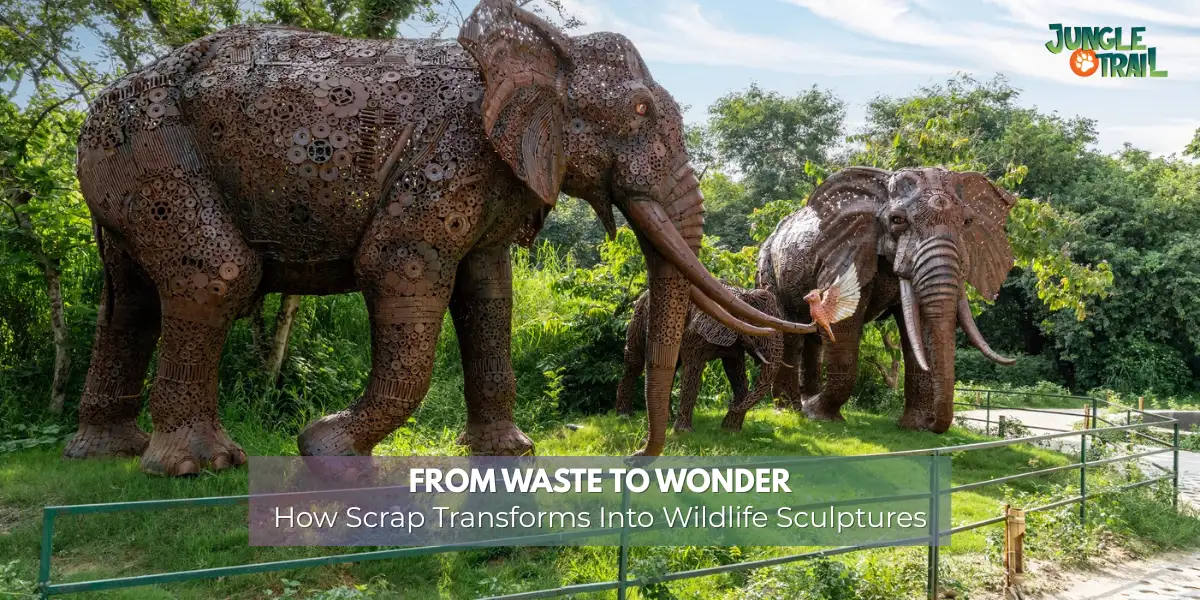
When imagination meets sustainability, something extraordinary happens. Across India, a growing movement is redefining how we view waste, nature, and creativity. At the heart of this movement is the waste to Wonder Park, a unique concept where discarded materials are transformed into lifelike wildlife sculptures.
Jungle Trail Noida stands out as a premier destination showcasing this idea. By blending eco-friendly art with outdoor adventure, it offers families, students, and nature lovers an immersive experience where learning, recreation, and creativity meet. Each sculpture, pathway, and installation demonstrates that waste can become meaningful when shaped with purpose.
In this blog, we explore how scrap becomes wildlife art, why waste-to-art parks are gaining popularity across India, and what makes Jungle Trail Noida a must-visit waste-to-wonder park experience.
The Rise of Waste-to-Art Parks: Where Sustainability Meets Creativity
The idea of turning industrial scrap into public art and attractions has grown immensely over the last decade. Initially popular in cities like Delhi with global monuments made from scrap, the concept now includes wildlife sculptures, educational installations, and family-friendly parks.
Why These Parks Are Gaining Popularity
- Growing Environmental Awareness
People want destinations that combine fun with learning. A waste-to-wonder park provides a hands-on way to understand recycling, sustainability, and conservation. - Educational Value for Children
Schools are now taking students to parks where lifelike wildlife sculptures bring concepts like upcycling and waste management to life, making environmental education exciting, memorable, and truly impactful. - Preference for Nature-Based Outings
Families and groups seek open-air, eco-friendly alternatives to conventional indoor venues. The natural environment of these parks provides a refreshing experience. - Artistic and Engineering Appeal
These larger-than-real wildlife sculptures offer a unique experience, blending the beauty of nature with artistic creativity and technical mastery.
How Scrap Transforms Into Wildlife Sculptures
Every wildlife sculpture at a waste-to-wonder park starts with imagination, creativity, and precise engineering. From discarded scrap to lifelike wildlife sculptures, each piece tells a story of sustainability, art, and innovation—capturing both hearts and minds. Here’s how scrap becomes lifelike wildlife art:
1. Sourcing Scrap Materials
Commonly used materials include:
- Bicycle chains
- Car parts
- Nuts, bolts, and gears
- Abandoned industrial scrap
- Mild steel rods
- Metal sheets
These items would otherwise end up in landfills, but when repurposed, they contribute to sustainability while creating visual impact.
2. Concept Designing and Blueprint Creation
Artists begin by:
- Studying animal anatomy
- Selecting realistic poses
- Planning life-size proportions
- Determining weight distribution
A precise blueprint ensures the sculpture is stable, accurate, and visually striking, making the park’s displays exceptional.
3. Structural Building: Welding and Shaping Scrap
The construction stage involves:
- Cutting and shaping scrap
- Welding parts together
- Forming contours and muscle structures
- Adding layers for depth and detail
Chains, gears, and rods are cleverly used for texture, joints, and support, with some sculptures taking weeks to complete.
4. Finishing, Polishing, and Coloring
To ensure durability and aesthetic appeal:
- Sharp edges are polished
- Weather-resistant paints are applied
- Textures are refined
- Protective coatings are added
This makes the wildlife sculptures long-lasting outdoor installations that impress visitors year-round.
Exploring Jungle Trail Noida: Wildlife Reimagined Through Scrap
Jungle Trail Noida combines eco-art with outdoor adventure, making it a complete eco-adventure destination. Visitors can enjoy:
- Life-Size Wild Animals: Lions, tigers, deer, and more sculpted from scrap metal.
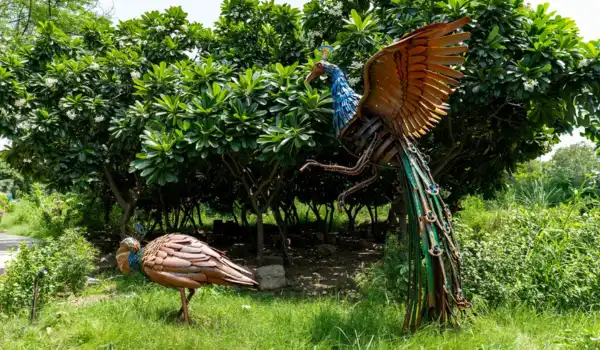
- Bird Sculptures: Flying or perched birds crafted in intricate detail.
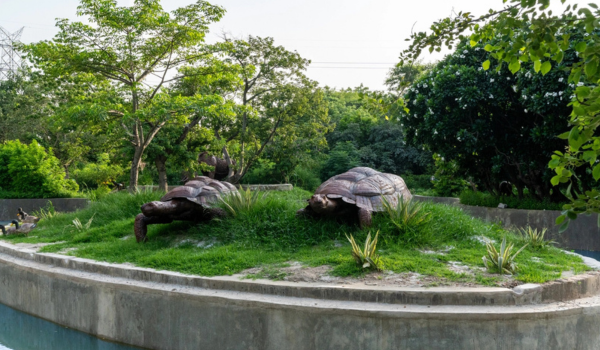
- Reptiles and Forest Creatures: Small and large animals shaped with precision.
Each installation educates visitors about wildlife, conservation, and sustainable creativity.
Why Waste-to-Art Parks Matter: Impact Beyond Aesthetics
Waste to wonder parks serve a purpose beyond beauty:
- Promoting Sustainability – Demonstrates how discarded materials can be reused meaningfully.
- Inspiring Creativity – Encourages children and adults to see waste as a resource.
- Supporting Local Artists – Provides a platform for artisans and fabricators to showcase skills.
- Changing Perceptions About Waste – Shifts how people view junk, fostering innovation and responsibility.
Jungle Trail Noida: More Than Just a Waste-to-Wonder Park
Jungle Trail Noida is not just about wildlife sculptures—it combines eco-art with adventure, making it ideal for recreation, learning, and family outings.
- Nature Trails and Learning Paths: Explore scenic walkways with environmental education.
- Boating Experiences: Fun for families and couples alike.
- Rope Adventure Activities: Challenge yourself with courses suited for all ages.
- Archery Zones: Skill-based fun for kids and adults.
- Picnic and Family Areas: Relax and enjoy green open spaces.
This combination makes Jungle Trail Noida a truly unique eco-adventure destination.
Visitor Guide: Tips for a Memorable Trip
Best Time to Visit:
- Winter season
- Early mornings or late afternoons
- Weekdays for quieter visits
What to Carry:
- Comfortable footwear
- Water bottles
- Sun protection
- Camera for photography
Ideal For:
- Families and tourists
- Educational trips
- Nature lovers and adventure seekers
FAQs: Everything You Need to Know
1. How are wildlife sculptures created?
By collecting scrap, designing blueprints, welding metal parts, and applying finishing layers.
2. Is Jungle Trail Noida more than a Wildlife sculpture park?
Yes. It is an eco-adventure destination with boating, archery, nature trails, and rope courses.
3. Is it suitable for children?
Absolutely. Educational and fun outdoor activities make it perfect for kids.
4. How is it different from a regular amusement park?
It blends eco-art, nature, sustainability, and adventure in one space.
Conclusion: Where Waste Truly Becomes Wonder
Waste-to-wonder parks represent the future of eco-friendly recreation. They show that discarded materials can be transformed into meaningful art that educates, inspires, and entertains.
Jungle Trail Noida exemplifies this movement, combining wildlife sculptures, adventure activities, nature trails, and picnic zones. Whether it’s a family outing, a school trip, or a leisure day, this park offers an engaging and impactful experience where sustainability meets creativity—and where waste truly becomes wonder.
Plan your visit to Jungle Trail Noida and experience how creativity, conservation, and adventure come together. Discover a destination where waste transforms into wonder and every visit inspires sustainable thinking.