What actually counts as a good weekend plan when you are a teenager? A mall trip gets boring after the third visit, a movie ends in two hours, and scrolling through your phone at home does not exactly make for a story worth telling on Monday. Jungle Trail Noida for teenagers solves that problem in a way most weekend spots simply cannot, because it gives you something to actually do, not just somewhere to sit.
Why Teenagers Keep Coming Back to Jungle Trail
Ask any group of teens what they want from a day out and the answers usually circle around the same things. They want adventure, they want good photos, and they want a place that does not feel like it was designed for either little kids or their parents. Jungle Trail somehow manages to hit all three without trying too hard.
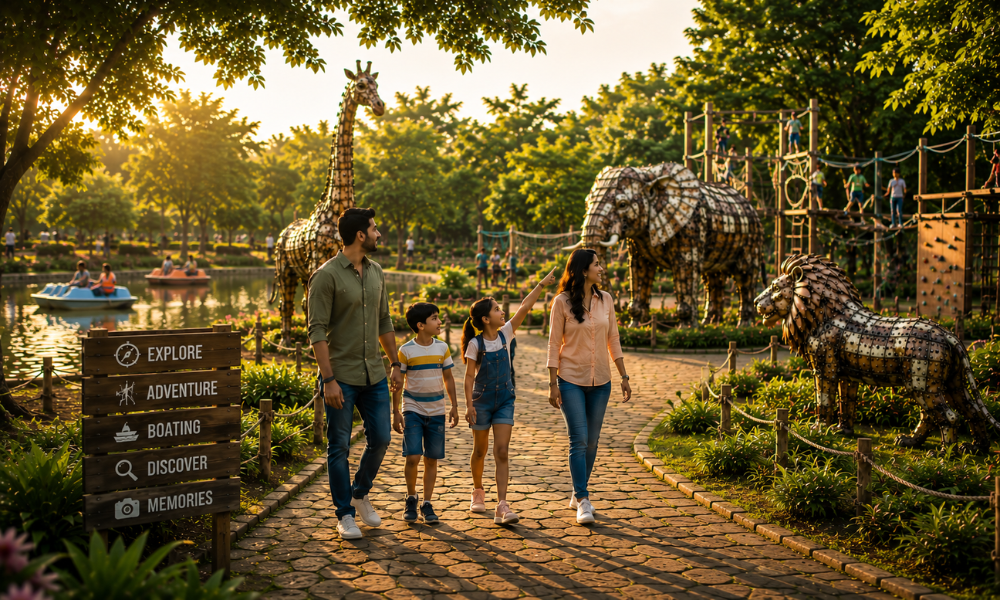
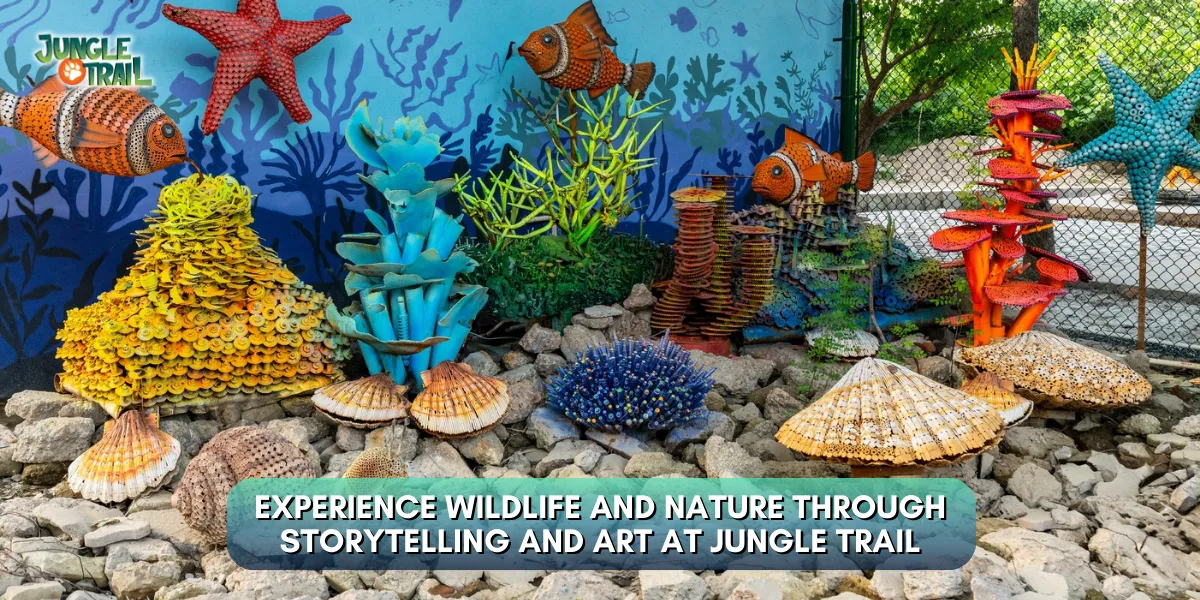
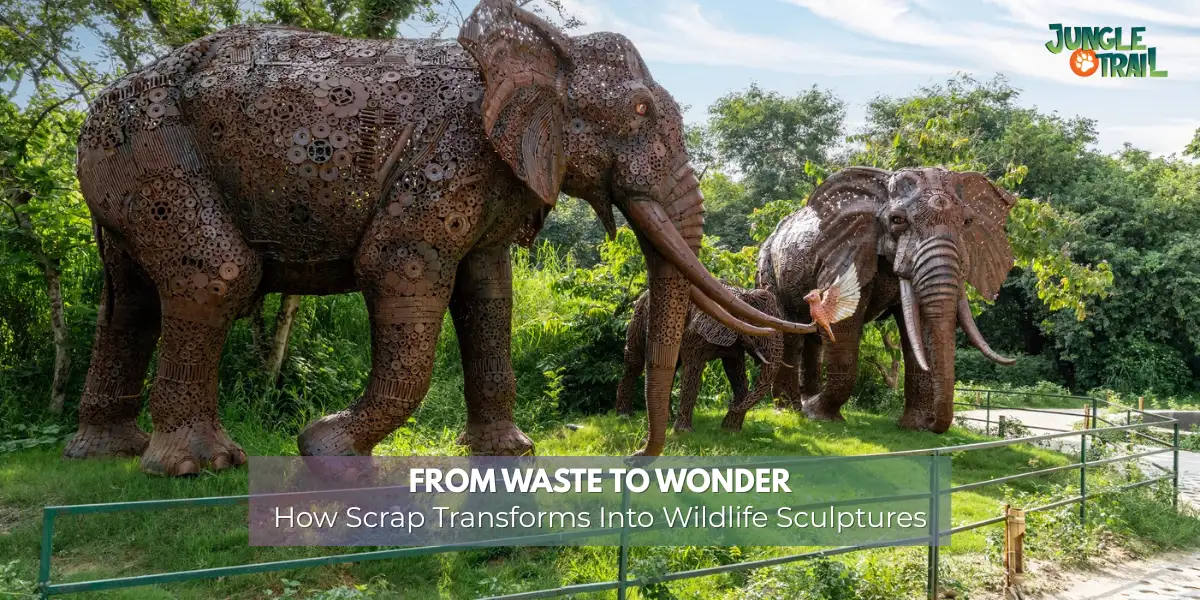
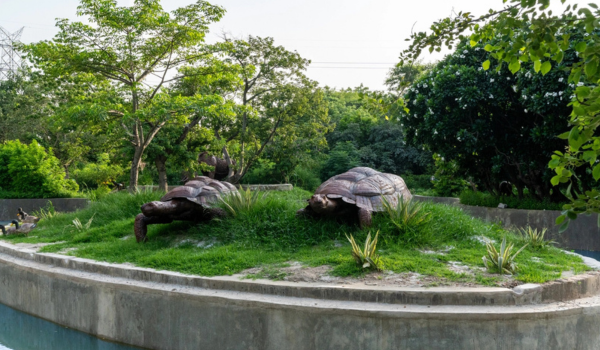
The park is built around recycled art sculptures, life sized animals crafted entirely from scrap metal, which already makes it visually different from the usual amusement park setup. Add in a full lineup of adventure activities and you get a place that photographs well and still gives your heart rate something to do.
The Rides That Make Teens Come Alive
Let us talk about what actually gets a group of friends excited. The Melt Down ride is the obvious answer here, a spinning attraction that tests your balance and your nerve at the same time. It is fast, it is disorienting in the best way, and it is the kind of ride that produces the loudest reactions from a group standing nearby waiting their turn.
Then there is the Rocket Ejector, which does exactly what its name suggests. A launch style thrill that gets your stomach flipping in half a second. If your group is the type that dares each other to try the scariest thing first, this is where that dare usually lands.
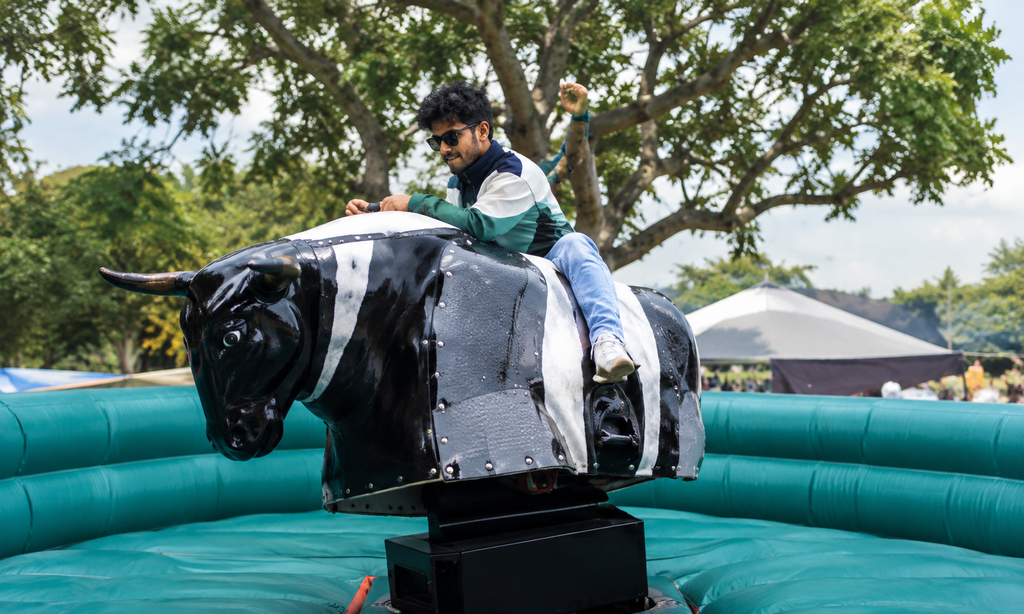
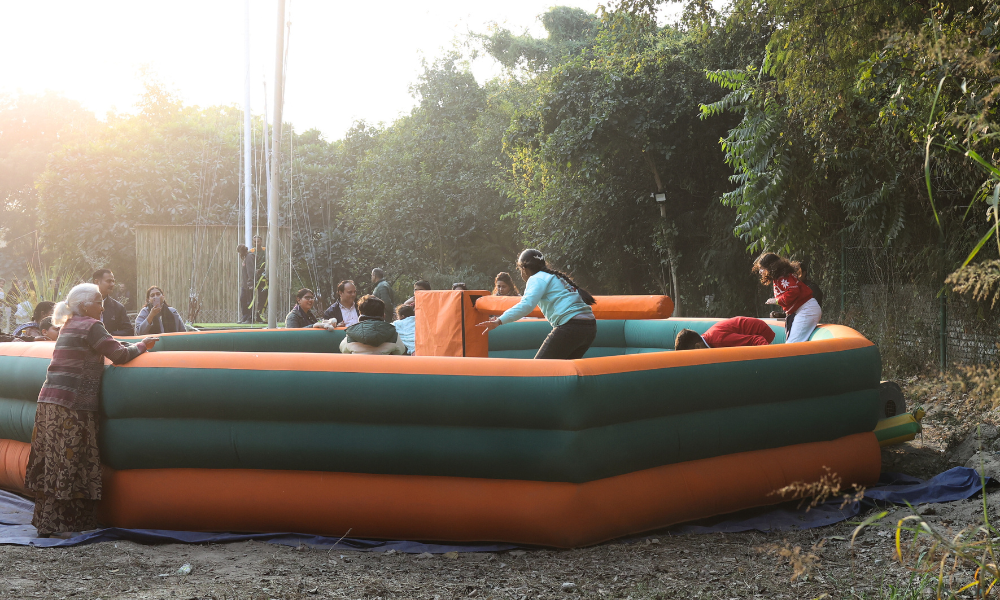
For something a little more physical, the Bull Ride humbles almost everyone who steps up to it. It looks easy from the sidelines and turns out to be anything but once you are actually holding on. Watching your friends attempt it is honestly half the fun, and taking your own turn is the other half.
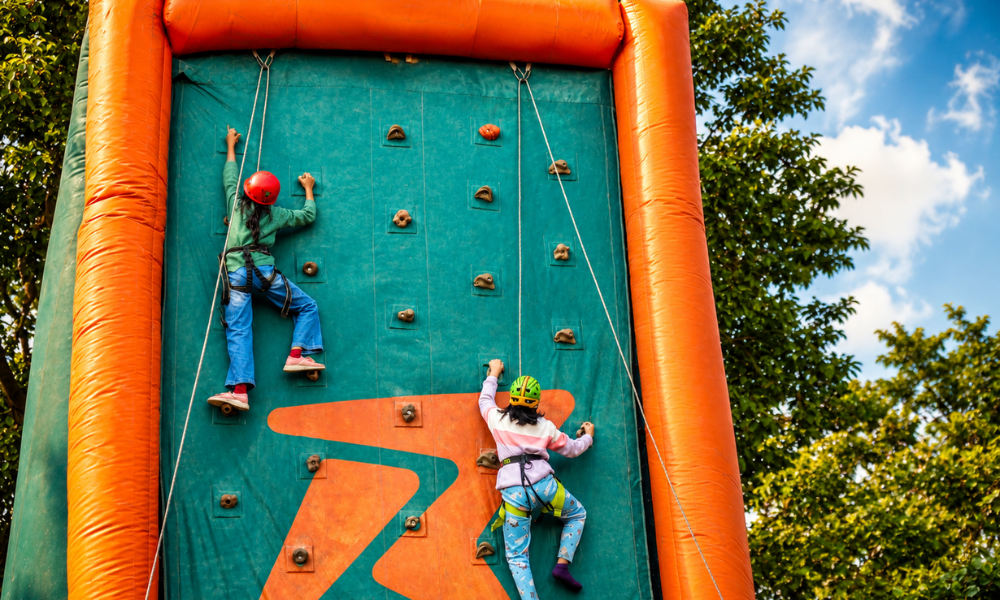
Sport Climbing rounds out the adventure lineup nicely, giving teens who prefer a physical challenge over pure adrenaline something to test themselves against. It also happens to make for genuinely good photos, the kind that actually look impressive rather than staged.
Archery for the Focused Crowd
Not every teenager wants nonstop adrenaline, and that is exactly why archery works so well here. There is something satisfying about the quiet concentration it demands, especially after a stretch of louder, faster rides. It gives your group a reason to slow down for a bit, compete against each other in a low pressure way, and catch your breath before moving on to the next activity.
The Sculpture Trail Is Not Just for Little Kids
Here is something worth clearing up. The sculpture trail often gets framed as a family activity, something parents bring younger kids to see, but that undersells it completely for a teenage audience. Walking past a life sized elephant or tiger built entirely from scrap metal is genuinely impressive regardless of your age, and it makes for some of the best content you will post all month. Few places let you get this kind of dramatic, oversized backdrop for free as part of your ticket.
If your friend group cares even slightly about how their photos turn out, budget real time here. Golden hour especially turns the whole trail into something that looks far more expensive to visit than it actually was. There is also something quietly interesting about the fact that every sculpture used to be scrap metal nobody wanted. It gives your group something to talk about between rides that is not just about how fast the last ride spun you around, and honestly, that mix of visual and conversational value is rare in a single stop.
Why It Beats the Usual Hangout Spots
Think about how a typical teen weekend actually goes. Someone suggests the mall, someone else wants a movie, and the group eventually settles for whichever option requires the least planning. Jungle Trail breaks that pattern because it genuinely requires a bit of movement and energy, which somehow makes the day feel more worth remembering than another two hours in an air conditioned food court.
There is also a budget angle worth mentioning here. A single entry ticket covers the sculpture trail plus access to most adventure activities, which stretches a lot further than the same amount spent on a movie ticket and snacks that disappear in twenty minutes.
Planning a Group Visit With Friends
If you are the one organizing this for your friend group, a few things make the day run smoother. Go on a weekday afternoon if your schedule allows it, since weekends bring noticeably bigger crowds and longer waits at the more popular rides. Wear shoes you can actually move in, not the ones you were planning to wear just for photos, because between climbing, archery, and the Bull Ride, you will be doing more physical activity than you might expect.
Bring water, and plan a lunch break somewhere in the middle of your visit. Nobody enjoys their group’s energy crashing halfway through because everyone forgot to eat.
Is It Actually Safe for a Teen Group Without Adults
This comes up a lot, especially from parents who want their teenagers to have independence without worrying the entire time. The adventure activities are staffed and supervised, with safety briefings given before rides like the Bull Ride and Melt Down. That said, if your group is younger or this is your first visit without a parent along, it is worth checking current age and height guidelines for specific rides before you go, since these can vary by activity.
Frequently Asked Questions
Is Jungle Trail Noida a good spot for a teenage friend group without parents?
Yes, most teenage groups visit independently, and the adventure activities are staffed with trained supervisors, though it is worth confirming any age or height requirements for specific rides beforehand.
What is the most popular ride among teenagers here?
The Melt Down and Rocket Ejector tend to get the loudest reactions, though the Bull Ride is a close favorite for anyone who enjoys a physical challenge in front of an audience of friends.
How long should a group plan to stay?
Most groups comfortably spend three to four hours here, enough time to try several adventure activities and still walk the full sculpture trail without rushing.
Is the sculpture trail worth it if we are mainly there for the rides?
Definitely. Beyond being genuinely photogenic, it gives your group a change of pace between higher energy activities, and the visuals are hard to replicate anywhere else in the city.
Do we need to book activities in advance for a teen group?
It depends on the day and crowd size, so checking directly with the park before a weekend visit is a good idea, especially if your group wants to try a specific ride without a long wait.
What should we bring for a full day visit?
Comfortable shoes, water, sunscreen, and a bit of cash or a card for food, since you will likely want a break between activities rather than powering through the entire day.
So Is Jungle Trail Worth Your Next Weekend
A weekend spent here gives your group something a mall trip never will, actual stories to tell afterward. Between the rides that test your nerve, the sculptures that make your photos look better than they have any right to, and a pace that lets you switch between adrenaline and downtime, Jungle Trail Noida for teenagers earns its place as a genuine alternative to the usual weekend routine.
Ready to plan your visit? Get in touch with Jungle Trail Noida and start putting your group’s next outing together.
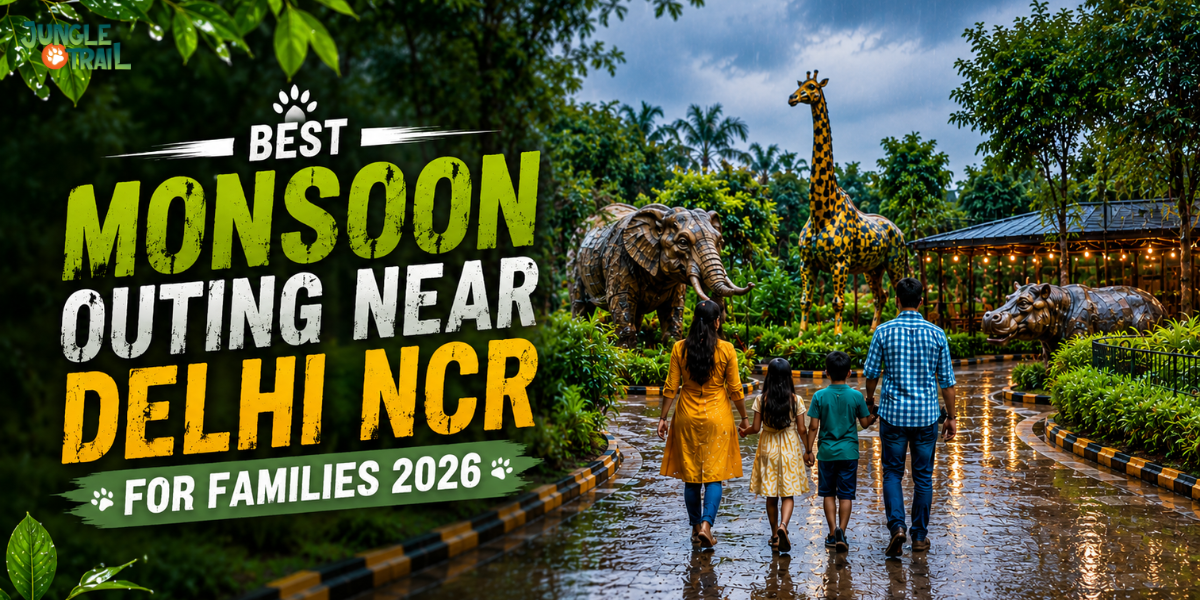
When the monsoon arrives in Delhi NCR, families often start looking for a refreshing escape from the heat, humidity, and busy city routine. But do you really need to travel to a hill station to enjoy a memorable rainy-season outing? Not necessarily. Sometimes, the best family adventure is closer to home, easier to reach, and packed with enough activities to keep everyone entertained.
If you’re searching for the best monsoon outing near Delhi NCR for families in 2026, Noida offers several options for a fun day trip. From an adventure park in Noida to family attractions and nature-inspired destinations, you can enjoy a refreshing weekend without spending hours traveling to the mountains. The key is choosing a destination where children and adults can enjoy different experiences together.
One destination that deserves a place on your list is Jungle Trail Noida. Located in Sector 94, this unique destination combines wildlife-inspired art, outdoor recreation, adventure activities, and sustainability. Whether you’re planning a family day out, a school trip, or a group outing, Jungle Trail gives you a chance to enjoy the monsoon atmosphere while exploring something different from a traditional zoo or amusement park.
Why Plan a Monsoon Family Outing in Delhi NCR?
The monsoon changes the atmosphere of Delhi NCR. After weeks of intense summer heat, cloudy skies and occasional showers create a welcome sense of relief. The weather may not always be perfect, but with the right planning, rainy-season outings can become some of the most enjoyable family experiences of the year.
A monsoon outing also gives children a chance to step away from screens and spend time outdoors. Instead of staying indoors with video games and television, families can explore new places, take photographs, enjoy recreational activities, and create memories together. Isn’t that exactly what a weekend should be about?
The good news is that you don’t always need a long road trip. If you’re looking for things to do in Noida with family, you can find several destinations within the city and nearby areas. Choosing a location close to home also means less travel time and more time enjoying your day.
Is Jungle Trail an Adventure Park in Noida?
If you’re specifically looking for an adventure park in Noida rather than a standard sightseeing spot, Jungle Trail is worth putting at the top of your list. It isn’t a conventional amusement park with mechanical rides, but it offers a genuine adventure-park experience through its outdoor activity zones, obstacle-style challenges, and hands-on games spread across the property.
What sets it apart from most adventure parks is the combination of physical activity with a wildlife-and-recycling theme, so the adventure element never feels disconnected from the rest of the visit. For families who want their day out to include some adrenaline alongside the sightseeing, this makes Jungle Trail a strong pick among the adventure park options in and around Noida.
Why Jungle Trail Noida Is a Great Monsoon Destination
Jungle Trail Noida offers a refreshing alternative to conventional entertainment destinations. The park combines the concept of a wildlife-themed environment with creative recycled art and outdoor recreation, giving visitors something new to explore at every turn.
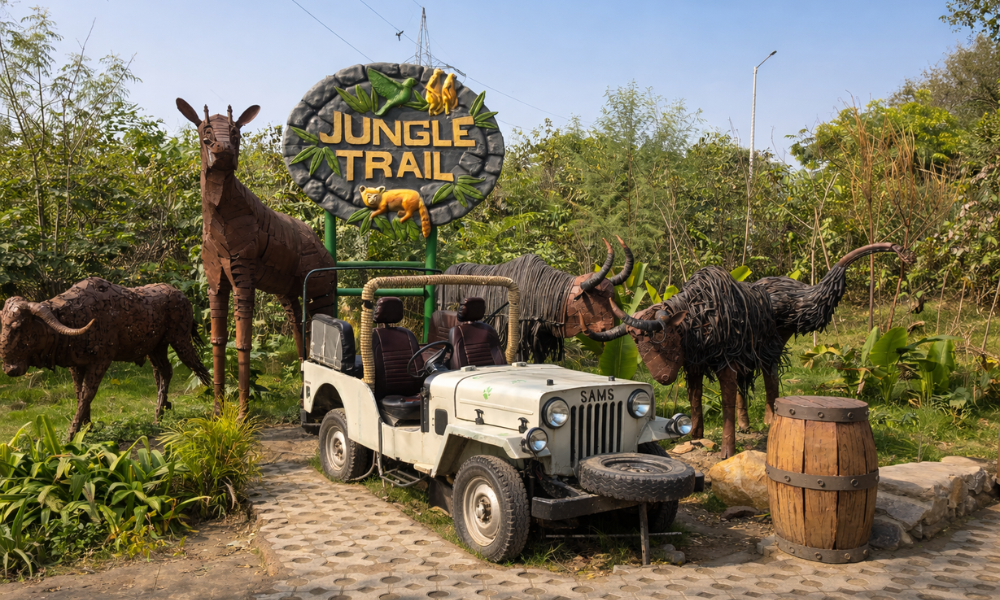
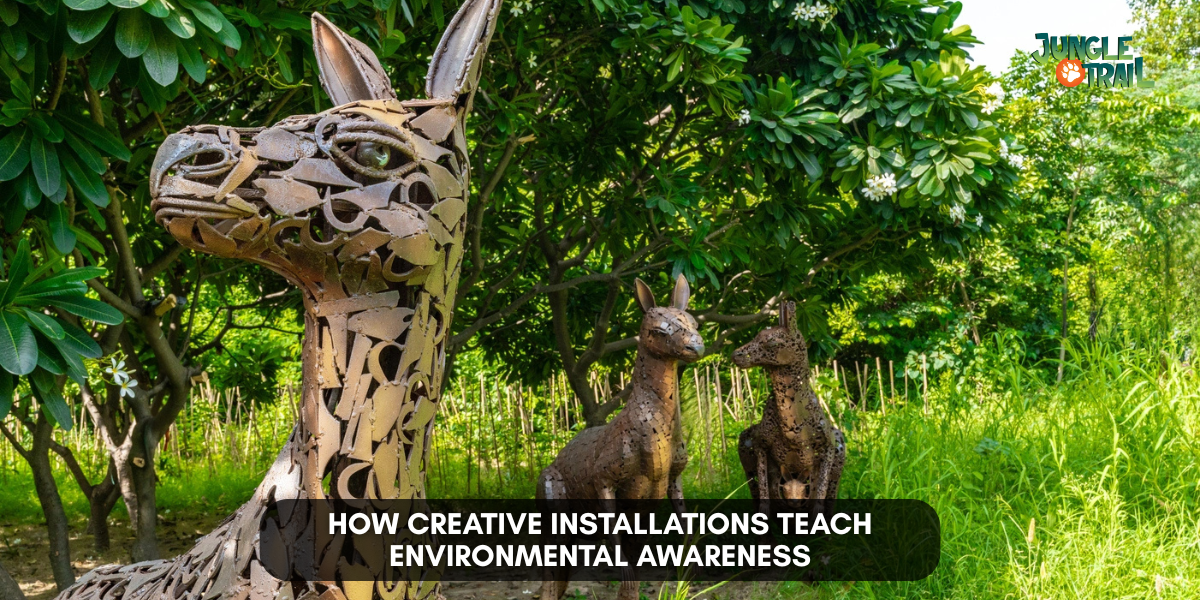
The highlight is its impressive collection of animal sculptures created from recycled industrial waste. These larger-than-life artworks transform discarded materials into creative representations of wildlife. For children, the sculptures create exciting photo opportunities while also introducing an important message about recycling and environmental responsibility.
If you’re searching for a waste-to-art park in Noida, Jungle Trail is a destination worth exploring. The combination of art, wildlife, and sustainability makes it different from a conventional amusement park and gives families an opportunity to enjoy entertainment with an educational element.
Explore the Waste-to-Art Concept
Have you ever wondered what happens to industrial waste after it is discarded? At Jungle Trail, visitors can see how waste materials can be transformed into creative and meaningful works of art.
The park features hundreds of wildlife sculptures that showcase how recycled materials can be reused instead of simply ending up in landfills. These sculptures turn an environmental message into something children can see and understand directly.
This makes Jungle Trail a strong example of the recycled art sculptures India has to offer. Instead of learning about recycling only through books or classroom lessons, children can experience the concept in a visual and engaging environment. The result is an outing that entertains while encouraging conversations about sustainability.
Jungle Trail vs Zoo Noida: What’s the Difference?
Families often compare Jungle Trail with Zoo Noida when deciding where to spend a weekend. While both experiences may involve wildlife themes, they are fundamentally different.
A traditional zoo allows visitors to observe live animals in managed habitats. Jungle Trail, on the other hand, uses artistic animal sculptures to create a wildlife-inspired experience. Visitors don’t come to see live animals; they come to explore creative installations, outdoor spaces, adventure activities, and the idea of turning waste into art.
So, which one should you choose? If your children want to observe live wildlife, a zoo may be the better option. If you’re looking for a unique combination of art, sustainability, outdoor recreation, and adventure, Jungle Trail offers a completely different experience.
Jungle Trail vs Traditional Amusement Parks
An amusement park in Noida usually focuses on mechanical rides designed to deliver quick thrills and entertainment. These attractions can be exciting, especially for visitors who love high-speed rides and traditional amusement experiences.
Jungle Trail takes a different approach. Instead of focusing only on rides, it combines adventure activities with environmental education and creative outdoor attractions. Visitors can explore wildlife sculptures while participating in activities that encourage movement and interaction.
This makes Jungle Trail a good option for families who want more variety from their outing. You can explore, learn, take photographs, and participate in activities instead of spending the entire day waiting in queues for rides.
Enjoy Adventure Activities During Your Visit
A family outing becomes even more exciting when everyone has something to look forward to. Jungle Trail offers a selection of adventure activities that appeal to different age groups and interests.
Visitors can try activities such as Archery, Rifle Shooting, Wall Climbing, Water Roller, Mechanical Bull Ride, Gyroscope, Meltdown, Rocket Ejector, and the 360 Cycle Challenge, depending on availability and applicable safety requirements.
These activities add an interactive element to the visit. Instead of simply walking around and observing attractions, visitors can actively participate and challenge themselves. For families, this can turn an ordinary weekend into a day filled with laughter, encouragement, and memorable moments.
What to Expect From a Monsoon Visit
The monsoon season can make outdoor destinations feel fresher and more vibrant. Cloudy skies and cooler periods can make walking around more comfortable than during peak summer afternoons.
However, monsoon weather can change quickly. Before visiting, check the weather forecast and park updates. Carry comfortable footwear, an umbrella or raincoat, and an extra set of clothes for children if rain is expected.
Planning your visit around the weather can make a big difference. If the forecast predicts heavy rain, consider choosing a time when the weather is more manageable. A little preparation allows your family to enjoy the outing without unnecessary discomfort.
Jungle Trail Sector 94 Timings and Ticket Information
Before planning your trip, families should check the latest Jungle Trail Sector 94 timings and ticket information directly with the park. Operating hours, activity schedules, and ticket prices can change depending on the season, special events, or operational requirements.
If you’re specifically searching for the Jungle Trail Noida ticket price, it’s best to verify the current rates before leaving home. Activity charges may also vary depending on the attraction you choose.
Checking the latest details in advance helps you plan your budget and schedule more effectively. It also ensures that you arrive with realistic expectations about the activities and attractions available on your chosen day.
A Convenient Park Near Sector 94, Noida
Location plays a major role when you’re planning a family outing during the monsoon. Nobody wants to spend most of the day stuck in traffic when the goal is to relax and have fun.
Jungle Trail is located in Sector 94, making it a convenient option for families searching for a park near Sector 94 Noida. Its location also makes it accessible for visitors from different parts of Noida and nearby Delhi NCR areas.
If you’re exploring things to do near Mahamaya Flyover, Jungle Trail can be considered as one of the destinations to add to your weekend itinerary. Its location allows families to plan a short local outing instead of committing to a full-day road trip outside the city.
A Great Weekend Outing From Noida and Greater Noida
Families living in Noida and Greater Noida often want destinations that don’t require extensive travel. A local outing means you can leave home in the morning, enjoy several hours of entertainment, and return home without dealing with the exhaustion of a long journey.
Jungle Trail fits well into a weekend outing plan for families in Noida and Greater Noida. You can visit as a family, spend time exploring the sculptures, participate in adventure activities, enjoy food, and take photographs throughout the day.
For visitors commuting along the Noida Expressway, it also works well as a picnic spot near Noida Expressway. Instead of packing a traditional picnic and spending the day sitting in one place, families can combine outdoor recreation with interactive experiences.
Perfect for Kids Looking for Weekend Fun
Children often need more than just a place to walk around. They want activities that allow them to participate, explore, and have fun.
Jungle Trail offers a mix of attractions that can keep younger visitors engaged. Children can enjoy family-friendly activities while exploring colorful wildlife sculptures and open outdoor spaces.
For parents searching for things to do with kids on the weekend in Delhi NCR, a destination like Jungle Trail offers a chance to combine physical activity, creativity, photography, and environmental learning in one outing.
A Unique Alternative to the Zoo
If your family has visited the zoo several times and wants to try something different, Jungle Trail provides a fresh alternative. Instead of seeing live animals, children can explore artistic representations of wildlife created from recycled materials.
This approach can spark interesting conversations. Why was the sculpture made from waste? How can old materials become something useful? What can we do at home to reduce waste?
These questions turn a simple family outing into an opportunity for children to think about the environment while enjoying themselves. Sometimes, the most effective lessons are the ones children experience naturally.
A Good Option for School Trips
Monsoon outings aren’t limited to families. Schools also look for destinations where students can learn outside the classroom.
Jungle Trail is one of the school trip places in Noida worth considering for students interested in environmental awareness, art, wildlife, and outdoor activities. The waste-to-art concept provides an engaging way to discuss recycling and sustainability.
Students can explore the sculptures, participate in selected activities, and enjoy time with their classmates. The experience can combine education and recreation, making the trip more memorable than a traditional classroom lesson.
What About College Group Outings?
College students often look for something more exciting than a standard sightseeing trip. They want activities that encourage interaction, friendly competition, and plenty of photographs.
With adventure activities and outdoor spaces, Jungle Trail can work well as a college group outing for students in Noida. Friends can challenge each other during activities, explore the park together, and capture photographs throughout the day.
The variety also means that not everyone has to enjoy the same activity. Some visitors may prefer adventure rides, while others may spend more time exploring the sculptures and taking photographs.
Is Jungle Trail an Eco Park?
The term eco park Delhi NCR covers a wide range of destinations, but not every park follows the same concept. Jungle Trail stands out because sustainability is central to its identity.
The park’s waste-to-art approach demonstrates how discarded materials can be creatively reused. Instead of hiding waste from visitors, the concept turns it into the main attraction and encourages people to think differently about consumption and recycling.
For families interested in sustainable tourism attractions in India, Jungle Trail is a good example of how entertainment and environmental awareness can work together.
Why Choose a Local Monsoon Outing Instead of a Hill Station?
Hill stations are beautiful during the monsoon, but they also come with challenges. Heavy rainfall can cause traffic delays, road closures, and unpredictable travel conditions in some areas.
A local destination in Noida allows you to enjoy a change of scenery without taking unnecessary travel risks. You can experience outdoor recreation, enjoy cooler weather between showers, and return home the same day.
So, if your goal is simply to escape the heat and spend quality time with your family, why travel hundreds of kilometers when you can find an enjoyable experience closer to home?
Tips for Planning Your Monsoon Visit
Start by checking the weather forecast before leaving home. Monsoon showers can be unpredictable, so carrying rain protection is always a smart idea.
Wear comfortable footwear with good grip, especially if you plan to participate in outdoor activities. Parents should also carry extra clothes for young children and keep essential items protected from rain.
Finally, check the latest ticket prices, timings, activity availability, and park guidelines before your visit. A little planning can help your family enjoy a much smoother and more comfortable experience.
Frequently Asked Questions
1. Is Jungle Trail Noida a good monsoon outing for families?
Yes. Jungle Trail offers outdoor recreation, wildlife-inspired waste-to-art sculptures, and adventure activities, making it an interesting option for families looking for a local monsoon outing.
2. What is Jungle Trail Noida known for?
Jungle Trail is known for its wildlife sculptures created from recycled industrial waste, along with adventure activities and family-friendly outdoor attractions.
3. What are the Jungle Trail Noida ticket prices?
Ticket prices can change, so visitors should check the latest official information before planning their visit. Individual activities may have separate charges.
4. What are the Jungle Trail Sector 94 timings?
Visitors should confirm the latest operating hours before visiting, as timings may change depending on the season, events, or operational requirements.
5. Is Jungle Trail better than a zoo?
It depends on what you want to experience. A zoo allows you to observe live animals, while Jungle Trail offers wildlife-inspired sculptures, adventure activities, outdoor recreation, and sustainability-focused experiences.
Final Thought
A monsoon weekend doesn’t always require a road trip to the mountains. Sometimes, the best way to beat the heat is to explore your own city and discover experiences you may have overlooked.
If you’re searching for places to visit in Noida, things to do in Noida with family, or a refreshing adventure park in Noida that the whole family can enjoy together, Jungle Trail offers a unique combination of outdoor fun, adventure, art, wildlife-inspired attractions, and sustainability. Its waste-to-art concept makes the experience different from a traditional zoo or amusement park, while its range of activities ensures that visitors have plenty to explore.
Planning a fun day out in Noida but can’t decide between an adventure park and an amusement park? You’re not alone. It’s one of the most common questions families, friends, school groups, and corporate teams ask before planning a weekend outing. At first glance, both may seem similar because they offer entertainment and exciting attractions. However, the experience they provide is completely different.
Some people enjoy relaxing rides that require little physical effort, while others prefer activities that challenge their courage, balance, and coordination. Your ideal destination depends on the kind of memories you want to create. Do you want to sit back and enjoy mechanical rides, or would you rather climb, aim, balance, jump, and participate in exciting outdoor adventures?
If you’re trying to choose between an adventure park or amusement park in Noida, this guide will help you understand the key differences. By the end, you’ll know which type of destination matches your interests. You’ll also see why Jungle Trail Noida has become one of the city’s most exciting outdoor adventure experiences.
What Is an Amusement Park?
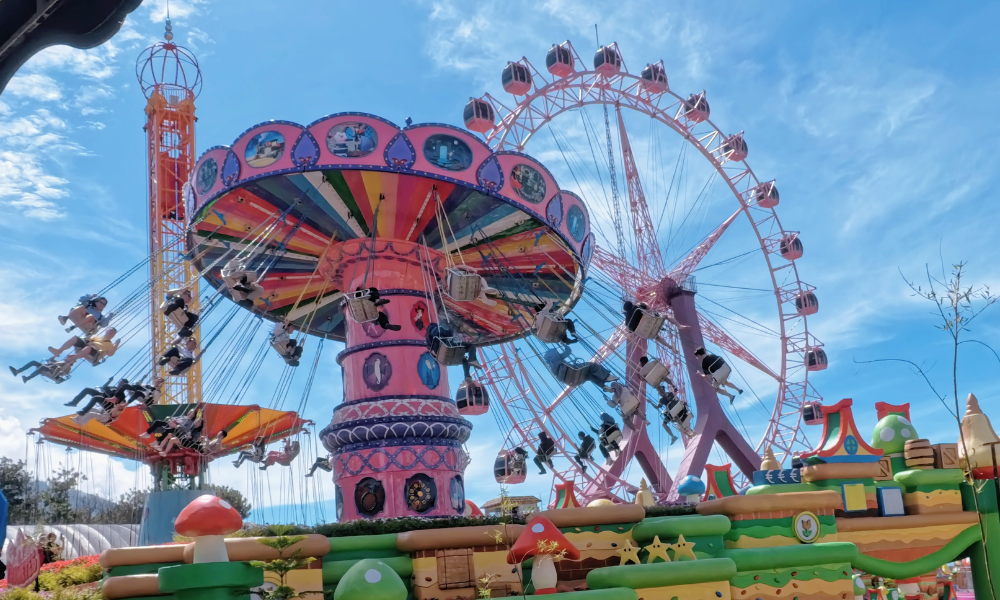
An amusement park is designed primarily around mechanical rides and entertainment. Visitors spend most of their time enjoying attractions such as roller coasters, Ferris wheels, merry-go-rounds, bumper cars, and other automated rides. These parks focus on excitement through machinery rather than physical participation.
The experience is simple and enjoyable. You wait in line, board the ride, enjoy a few minutes of entertainment, and then move on to the next attraction. Amusement parks are ideal for people who enjoy classic theme park experiences without needing to perform physical activities themselves.
For many families, amusement parks provide an enjoyable day filled with colorful attractions, food stalls, games, and entertainment. However, the interaction between visitors and attractions is usually limited to sitting, watching, and enjoying the ride.
What Is an Adventure Park?
An adventure park offers a completely different experience. Instead of simply riding attractions, visitors actively participate in activities that test their skills, confidence, and physical abilities. Every activity encourages movement, problem-solving, and personal achievement.
Rather than sitting on a ride, you become part of the adventure. You climb walls, aim at targets, balance on challenging obstacles, pedal through loops, or test your courage on thrilling attractions. Every activity requires participation, making the experience much more interactive.
Adventure parks appeal to people who enjoy outdoor recreation, fitness, teamwork, and exciting challenges. Instead of watching the fun happen, visitors create the excitement themselves.
The Biggest Difference: Participation vs Observation
The most noticeable difference between an adventure park and an amusement park is how visitors experience the attractions.
At an amusement park, machines create excitement. Visitors sit back while roller coasters, spinning rides, and giant wheels provide entertainment. The thrill comes from the movement of the ride itself.
At an adventure park, your actions determine the experience. Your balance, concentration, courage, coordination, and decision-making all influence the outcome. Completing a challenge feels rewarding because you’ve accomplished something rather than simply observed it.
Which Park Offers Better Physical Activity?
If you’re looking for an active day outdoors, adventure parks clearly have the advantage.
Many attractions encourage climbing, jumping, balancing, aiming, cycling, and other movements that keep the body engaged throughout the visit. These activities improve coordination, strengthen muscles, and help visitors stay physically active while having fun.
Amusement parks certainly involve walking between rides, but the attractions themselves require very little physical effort. Visitors remain seated for most of the experience, making them more passive forms of entertainment.
Adventure Builds Confidence
Have you ever noticed how proud children look after completing a challenge for the first time?
That’s because adventure activities encourage personal growth. Whether someone successfully hits a target in archery, completes a climbing wall, or conquers a thrilling attraction, every accomplishment builds confidence.
Unlike traditional rides, adventure experiences create lasting memories because visitors actively overcome challenges. The satisfaction of saying, “I did it!” often becomes the highlight of the day.
Which Is Better for Families?
Families often assume amusement parks are automatically the better option for children. In reality, adventure parks offer experiences that bring family members together through participation.
Parents cheer while children complete challenges. Friends encourage one another during adventure activities. Everyone celebrates personal achievements instead of simply sitting together on mechanical rides.
This shared participation creates stronger memories because the experience involves teamwork, encouragement, and interaction rather than passive entertainment.
Learning While Having Fun
One advantage many people overlook is the educational value of adventure parks.
Activities such as archery improve focus and concentration. Climbing develops problem-solving skills. Balance challenges enhance coordination, while adventure rides demonstrate fascinating principles of physics like gravity, momentum, and motion.
Children often don’t realize they’re learning because every lesson is hidden inside an exciting activity. This combination of education and recreation makes adventure parks especially valuable for school trips and family outings.
Why Outdoor Adventures Matter Today
Children and adults now spend more time indoors than ever before. Phones, tablets, computers, and television have reduced opportunities for outdoor recreation.
Adventure parks encourage visitors to disconnect from screens and reconnect with nature, physical activity, and real-world experiences. Fresh air, open spaces, and interactive attractions create a healthier alternative to spending weekends indoors.
Outdoor adventures also improve mood, reduce stress, and encourage meaningful social interaction among families and friends.
Why Jungle Trail Noida Offers More Than a Traditional Adventure Park
Jungle Trail Noida combines outdoor recreation, adventure activities, wildlife education, and sustainability into one exciting destination.
Most adventure parks focus only on thrill rides. Jungle Trail goes further, featuring over 800 wildlife sculptures created from more than 500 tonnes of recycled industrial waste.Visitors can explore life-sized animal installations while learning about conservation, recycling, and environmental awareness.
This unique combination transforms every visit into both an adventure and an educational experience, making it unlike any traditional amusement or adventure park in the region.
Exciting Activities at Jungle Trail Noida
Visitors looking for adventure will find plenty to enjoy throughout the park.
Challenge yourself across a range of activities:
Archery — test your accuracy
Rifle Shooting — sharpen your aim
Wall Climbing — conquer the climbing zone
Water Roller — a thrilling water-based challenge
Mechanical Bull Ride — hold on tight
Gyroscope Ride — spin through the excitement
Meltdown Challenge — survive the hilarious obstacle
Rocket Ejector Ride — launch into the thrill
360 Cycle Challenge — pedal your way through
For younger visitors, attractions like the Bubble House, Bouncy Castle, and interactive play zones provide safe environments where children can stay active while having fun.
Which Option Gives Better Value?
Value isn’t just about the number of rides you experience—it’s about the memories you create.
An amusement park often provides quick thrills through mechanical rides. While entertaining, many rides feel similar after repeated visits.
Adventure parks create personal achievements. Every completed activity feels unique because you participated rather than simply watched. Visitors leave with stories, photographs, laughter, and a genuine sense of accomplishment.
So, Which One Should You Choose?
The answer depends on what kind of experience you’re looking for.
If you enjoy traditional rides and passive entertainment, an amusement park is a good choice.
However, if you want outdoor adventure, exciting challenges, physical activity, memorable experiences, and opportunities to learn while having fun, an adventure park offers much more.
Looking for an unforgettable adventure park or amusement park in Noida? Jungle Trail Noida combines excitement, education, sustainability,and family entertainment in one destination
Frequently Asked Questions
1. What is the difference between an adventure park and an amusement park?
An amusement park focuses on mechanical rides, while an adventure park offers interactive activities that require physical participation, skill, and teamwork.
2. Which is better for children?
Adventure parks help children develop confidence, coordination, balance, and problem-solving skills while enjoying active outdoor play.
3. Is Jungle Trail Noida an adventure park?
Yes. Jungle Trail Noida offers exciting adventure activities along with wildlife sculptures, outdoor recreation, and educational experiences based on sustainability.
4. Which activities can visitors enjoy at Jungle Trail Noida?
Visitors can experience Archery, Rifle Shooting, Wall Climbing, Water Roller, Mechanical Bull Ride, Rocket Ejector Ride, Gyroscope Ride, Meltdown Challenge, 360 Cycle Challenge, Bubble House, Bouncy Castle, and much more.
5. Why should I choose an adventure park over an amusement park?
Adventure parks encourage physical activity, teamwork, confidence, outdoor learning, and personal achievement while creating more interactive and memorable experiences.
Final Thoughts
Choosing between an adventure park and an amusement park isn’t simply about selecting a place to spend the day—it’s about deciding what kind of memories you want to create. While amusement parks provide exciting rides and entertainment, adventure parks encourage you to become part of the experience through movement, exploration, and personal challenges.
If you’re looking for an outing that combines excitement, outdoor recreation, wildlife education, and unforgettable family moments, Jungle Trail Noida offers everything you need. From thrilling adventure activities to impressive waste-to-art wildlife sculptures, every corner of the park invites you to explore, learn, and have fun together.
Visit Jungle Trail Noida for adventure activities, wildlife sculptures made from recycled materials, and family fun — your next adventure starts here! Connect With Us
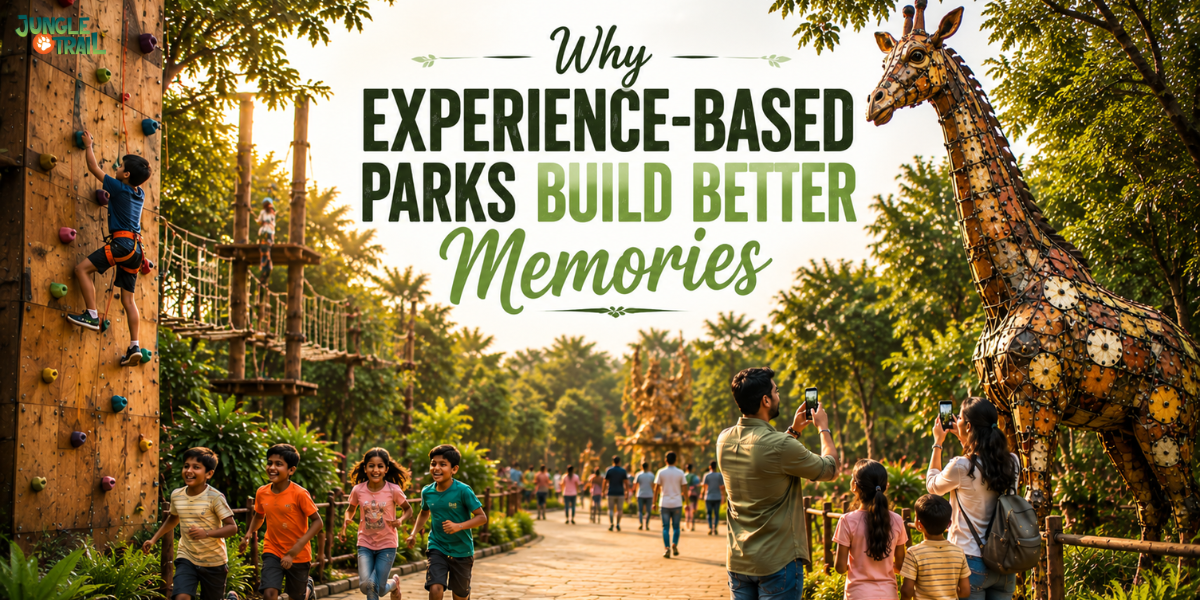
Think about the outings people remember the most. In many cases, they are not ordinary shopping trips or routine visits to indoor entertainment spaces. They are moments filled with exploration, discovery, laughter, and meaningful experiences shared with family or friends. That is exactly why experience-based parks are becoming increasingly popular today.
Modern visitors no longer want entertainment that feels repetitive or disconnected. Instead, they look for destinations where they can interact with their surroundings, spend quality time outdoors, and create memories that continue long after the visit ends. In cities like Noida, destinations such as Jungle Trail Noida are changing the way people experience leisure and recreation. Rather than focusing only on rides or attractions, these spaces create immersive outdoor environments where visitors feel personally involved in the experience itself.
Experiences Stay Longer Than Activities
Traditional entertainment often focuses on quick excitement. People visit a place, participate in a few activities, and leave. While the outing may feel enjoyable at the moment, the memory frequently fades quickly afterward.
Experience-based parks work differently because they combine environment, creativity, storytelling, exploration, and interaction into a single journey. At Jungle Trail Noida, the surroundings themselves become part of the overall experience. The park encourages visitors to explore gradually instead of rushing between attractions or activities.
Visitors do not simply participate in entertainment. They become emotionally connected to the atmosphere around them. This deeper level of engagement naturally creates stronger and more lasting memories.
Why Outdoor Activities Feel More Meaningful
Outdoor experiences often remain in people’s minds longer because they engage multiple senses at once. When people spend time outdoors, they walk through open spaces, interact with nature, observe creative details, and discover new surroundings together. This creates a much more immersive experience compared to conventional indoor entertainment environments.
At Jungle Trail Noida, visitors can enjoy themed walking trails, nature-inspired zones, adventure activities, immersive outdoor environments, and creative installations. Even simple moments, such as spotting animal sculptures or walking through themed pathways, add emotional value to the visit.
This combination of movement, creativity, and exploration is what transforms a regular outing into a memorable experience.
The Emotional Impact of Nature
Nature naturally helps people feel calmer, more relaxed, and emotionally connected. Unlike crowded indoor spaces filled with noise, screens, and commercial distractions, outdoor environments encourage visitors to slow down and enjoy the present moment.
As an eco-inspired outdoor destination, Jungle Trail Noida combines natural surroundings with creative design to create a balanced and immersive atmosphere. Visitors are not constantly rushed from one attraction to another. Instead, they are encouraged to explore freely, spend quality time together, relax outdoors, and interact naturally with the environment.
This emotional connection is one of the biggest reasons outdoor experiences feel more memorable than routine forms of entertainment.
How Modern Picnics Have Changed
Picnics today are no longer limited to simply sitting outdoors with food. Modern visitors now prefer places that combine relaxation with engaging recreational experiences. Well-designed picnic parks create environments where families can both unwind and explore together.
At Jungle Trail Noida, families enjoy open green spaces, immersive outdoor environments, themed pathways, and creative exploration zones that become part of the outing itself. Instead of feeling like a routine visit, the experience feels interactive and memorable.
This balance between comfort and exploration makes the outing feel far more meaningful and complete.
Why Families Prefer Experience-Based Parks
Family outings today are increasingly focused on spending meaningful time together rather than simply consuming entertainment. Parents often look for destinations where children remain actively engaged while adults can relax comfortably in a safe and welcoming environment.
At Jungle Trail Noida, children enjoy creative outdoor exploration while parents appreciate the calm atmosphere and open spaces. Because the park appeals to multiple age groups, families naturally spend more time interacting together instead of separating into different activities.
This shared participation creates stronger emotional connections and more lasting memories compared to traditional indoor entertainment spaces.
Learning Makes Experiences More Memorable
One of the strongest reasons experience-based parks leave a lasting impact is because learning naturally becomes part of the experience. However, the learning does not feel formal or instructional. Instead, visitors absorb ideas through interaction, observation, and exploration.
As an educational outdoor destination, Jungle Trail Noida includes creative storytelling environments, wildlife-inspired installations, nature-focused spaces, and sustainability-driven concepts that encourage curiosity and engagement.
Children often connect more deeply with ideas when they can discover things themselves rather than simply listen to explanations. This makes the park suitable for school trips, educational outings, group learning activities, and family learning experiences.
The combination of recreation and learning helps create experiences that stay with visitors much longer.
Adventure Adds Excitement to the Experience
Memories often become stronger when experiences include a balance of excitement and relaxation. Modern experience-based parks are designed to provide both without overwhelming visitors.
At Jungle Trail Noida, visitors can enjoy rope adventure activities, light thrill experiences, interactive exploration zones, playful outdoor features, and immersive themed environments. These elements add excitement and energy while still maintaining a calm and welcoming atmosphere.
This balance between adventure and relaxation helps visitors stay emotionally connected to the experience throughout the visit.
Creative Installations Make Every Visit Unique
Uniqueness plays a major role in memory creation. People naturally remember places that feel visually distinct or creatively designed. That is why immersive installations and themed environments are becoming an important part of modern outdoor recreation.
At Jungle Trail Noida, animal sculptures create visual storytelling while themed outdoor spaces encourage exploration and discovery. Inspired by ideas similar to waste-to-art concepts, many creative installations combine artistic design with environmental awareness.
As a result, visitors do not feel like they are simply visiting another park. They feel like they are exploring a space filled with imagination, creativity, and discovery.
Redefining Leisure Experiences in Noida
The way people spend their weekends in Noida is evolving rapidly. Instead of relying only on malls or routine indoor entertainment, many visitors now prefer outdoor recreation parks, immersive family attractions, nature-inspired destinations, and experience-focused leisure spaces.
Among these destinations, Jungle Trail Noida stands out because it combines recreation, creativity, outdoor interaction, family engagement, and nature-inspired design within one immersive environment.
This reflects a larger shift where people increasingly value emotional experiences and meaningful memories over repetitive entertainment routines.
Why Experience-Based Memories Last Longer
Experience-based parks create stronger memories because they involve emotional connection, active participation, creativity, exploration, and interaction with the environment itself. Unlike passive entertainment, immersive outdoor experiences make visitors feel personally involved in the moment.
This aligns closely with modern preferences for eco-friendly family outings, outdoor recreational experiences, creative learning spaces for children, and meaningful leisure activities. Because of this, the memories created in these environments often feel more personal, emotional, and long-lasting.
FAQs
1. Why do experience-based parks create better memories?
Experience-based parks combine interaction, creativity, exploration, and emotional engagement, making the overall outing feel more immersive and memorable.
2. Is Jungle Trail Noida suitable for families?
Yes, Jungle Trail Noida is designed as a family-friendly outdoor destination with activities and spaces suitable for different age groups.
3. Are there activities for children?
Yes, the park offers creative outdoor exploration areas, adventure activities, and interactive environments designed for children.
4. Can schools organize visits to the park?
Yes, the park works well for educational outings, school trips, and group learning experiences.
5. How is it different from a regular amusement park?
Unlike traditional amusement parks, Jungle Trail Noida focuses more on immersive experiences, outdoor interaction, creativity, and meaningful engagement rather than only rides or commercial attractions.
Final Thought
Memories are rarely created through routine experiences. They are created through moments of discovery, interaction, laughter, creativity, and emotional connection. That is why experience-based parks are becoming increasingly important in modern urban life.
Places like Jungle Trail Noida demonstrate how outdoor recreation can become much more than simple entertainment. By combining nature, creativity, adventure, and family interaction, the park transforms a regular outing into something visitors genuinely remember.
Because in the end, the best experiences are not simply visited — they are felt, shared, and remembered.
A few years ago, weekends mostly revolved around shopping malls, movie theatres, food courts, and routine indoor entertainment. People visited malls not only for shopping but also to spend leisure time in air-conditioned spaces, especially in rapidly growing urban cities. Over time, however, this pattern began changing. Today, people increasingly look for experiences that feel meaningful, memorable, and emotionally engaging rather than simply transactional.
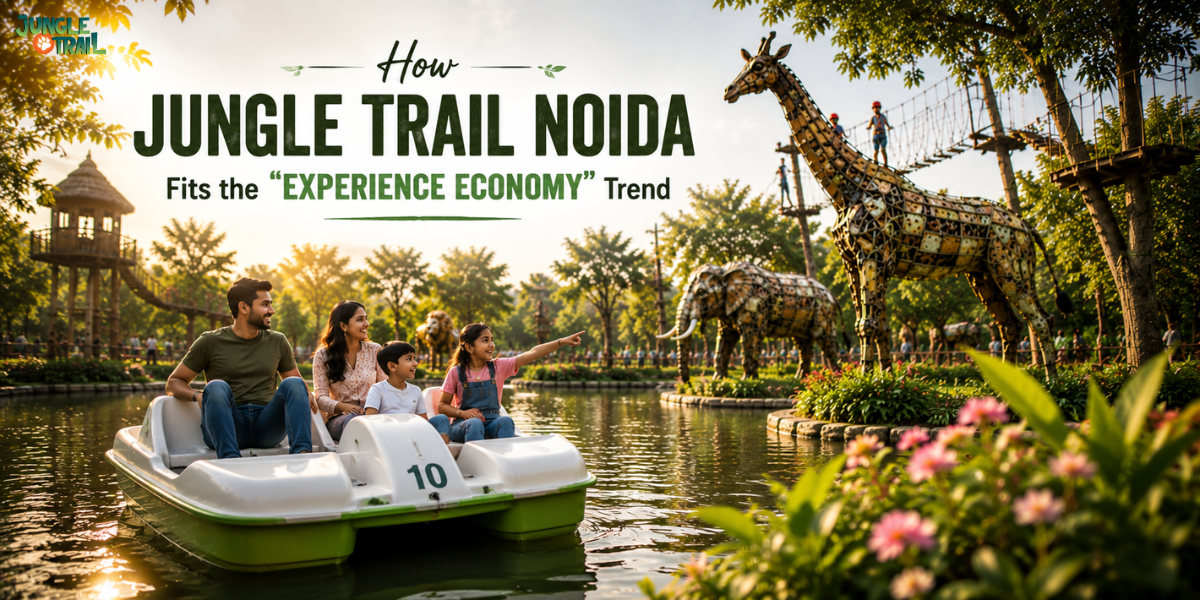
This shift is part of what is now called the “experience economy.” Instead of spending only on products, people now prefer spending on travel, outdoor recreation, immersive attractions, and quality moments shared with family and friends. In cities like Noida, this trend is becoming highly visible as families, students, and young adults actively search for destinations that combine relaxation, creativity, nature, and engagement in one outing.
Among these emerging destinations, Jungle Trail Noidastands out because it offers more than conventional entertainment. Rather than functioning like a traditional amusement park, it creates an immersive outdoor environment where recreation, exploration, learning, and nature exist together.
Understanding the Experience Economy
The experience economy is built on a simple idea: people value experiences more deeply than possessions. While products may provide temporary satisfaction, experiences create memories that last much longer. Whether it is traveling to new places, exploring themed parks, participating in outdoor activities, or spending time in immersive environments, modern consumers increasingly prioritize emotional connection over material ownership.
This shift is especially noticeable among urban families and younger visitors who often seek alternatives to repetitive indoor entertainment. Instead of spending entire weekends moving between shops, restaurants, and crowded commercial spaces, many people now prefer open environments where they can slow down, reconnect, and enjoy something refreshing and different.
As a result, outdoor recreation parks, nature-focused attractions, and experience-driven destinations are becoming significantly more popular across urban regions.
Why Traditional Entertainment Spaces Feel Repetitive
For many years, malls were considered the default weekend destination. However, over time, most indoor entertainment experiences started feeling predictable. The environment generally remains the same: shopping stores, food courts, movie theatres, gaming zones, and heavily commercialized spaces. Even indoor amusement activities can begin to feel repetitive after multiple visits.
Modern visitors now look for environments that feel more immersive and emotionally engaging. They want spaces where they can spend quality time together instead of constantly moving between advertisements, queues, and enclosed entertainment areas. This growing fatigue with mall culture is one of the biggest reasons outdoor recreational destinations are attracting more visitors today.
Why Nature-Based Experiences Are Growing
Nature provides a sense of calm that urban environments often lack. After spending most of the week surrounded by screens, traffic, offices, and crowded roads, people naturally look for places that feel open, peaceful, and refreshing. Parks that combine nature with recreation create a balance that many indoor venues cannot easily offer.
Jungle Trail Noida reflects this shift through nature-inspired pathways, themed outdoor environments, creative installations, and open-air exploration spaces. Unlike loud commercial entertainment zones, the atmosphere feels slower, calmer, and more immersive. This helps visitors build a stronger emotional connection with the environment itself.
How Jungle Trail Noida Creates an Experience
One of the biggest differences between traditional entertainment venues and experience-based parks lies in intentional design. At Jungle Trail Noida, the environment itself becomes part of the attraction. Instead of rushing between rides or commercial activities, visitors gradually move through themed trails, interactive spaces, and visually engaging outdoor zones.
The park includes animal sculptures, themed habitats, walking trails, family-friendly environments, and immersive installations that encourage exploration and discovery. Every section feels visually distinct, making the overall visit more engaging and memorable. Rather than focusing entirely on thrill-based entertainment, the space encourages observation, interaction, and meaningful outdoor engagement.
Why Families Connect More With Experience-Based Parks
Families today increasingly prefer shared experiences over passive entertainment. Instead of spending time indoors watching screens or sitting in enclosed gaming zones, many parents now seek environments where every family member can participate together.
At Jungle Trail Noida, children explore creative outdoor spaces while parents enjoy calm surroundings and relaxed walking environments. Families naturally spend more time interacting with each other instead of being separated into different forms of entertainment. This creates stronger engagement compared to conventional indoor entertainment destinations.
As a family-friendly recreation park, it appeals to multiple age groups because the experience is based on exploration, interaction, creativity, and relaxation rather than only rides or high-energy attractions.
Outdoor Experiences Feel More Meaningful
One major reason experience-led parks continue growing in popularity is because outdoor activities often feel more memorable than routine indoor entertainment. Visitors tend to remember experiences such as walking through immersive environments, discovering creative installations, exploring themed trails, and spending quality time together in nature.
At Jungle Trail Noida, even simple moments become part of the overall experience. Exploring artistic pathways, observing sculptures, and moving through different outdoor zones encourages visitors to stay connected with their surroundings instead of rushing through attractions.
The Growing Demand for Picnic Parks and Leisure Spaces
Modern visitors no longer view picnics as simply sitting outdoors with food. Today, people look for destinations that combine comfort, scenery, recreation, and exploration together. This is why thoughtfully designed leisure parks are becoming increasingly popular in urban areas.
At Jungle Trail Noida, visitors can enjoy open green spaces, creative landscapes, relaxing seating areas, outdoor exploration zones, and family-friendly environments within a single destination. The balance between relaxation and engagement makes the outing feel more complete and satisfying.
Experience-Led Learning for Children
One of the strongest features of modern outdoor parks is that learning happens naturally through interaction and exploration. Children often engage more effectively when education feels immersive rather than instructional.
As an educational outdoor destination, Jungle Trail Noida introduces wildlife-inspired sculptures, storytelling environments, sustainability awareness, and nature-focused experiences in a way that feels interactive and enjoyable. This makes the park suitable for school outings, educational tourism, family learning experiences, and group activities for children.
Instead of relying on formal lessons, the environment encourages curiosity and observation through exploration itself.
Balancing Adventure With Relaxation
Traditional adventure parks often focus entirely on high-energy activities. However, modern recreational destinations are increasingly moving toward a balance between excitement and relaxation.
Today’s visitors want both light adventure and peaceful surroundings within the same experience. At Jungle Trail Noida, this balance appears through interactive exploration zones, adventure activities, calm walking trails, and nature-inspired recreational spaces. Even the adventurous elements feel integrated into the overall atmosphere without making the environment feel overwhelming or chaotic.
Sustainability as Part of the Experience
Environmental awareness is becoming an important part of modern recreation. Visitors increasingly appreciate destinations that reflect eco-conscious values and thoughtful environmental design.
Inspired by creative sustainability concepts, modern parks now focus on artistic reuse of materials, eco-friendly installations, environmental storytelling, and nature-sensitive planning. At Jungle Trail Noida, sustainability becomes part of the visitor experience itself rather than simply appearing as written messaging. This aligns closely with the growing demand for responsible and nature-focused leisure destinations.
Redefining Leisure in Noida
Weekend entertainment in Noida is evolving rapidly. Visitors are increasingly exploring outdoor recreation parks, immersive family attractions, nature-themed destinations, and creative leisure spaces instead of spending every weekend indoors.
Among these emerging spaces, Jungle Trail Noida stands out because it combines nature, recreation, creativity, outdoor exploration, family interaction, and immersive design within a single destination. The experience feels less commercial and more emotionally engaging, which is exactly what modern visitors increasingly seek in today’s experience economy.
FAQs
1. What is the experience economy?
The experience economy refers to the growing trend where people prefer spending money on memorable experiences and activities instead of only purchasing products.
2. How does Jungle Trail Noida fit this trend?
Jungle Trail Noida combines outdoor recreation, creativity, immersive environments, and nature-focused exploration to create a meaningful visitor experience.
3. Is Jungle Trail Noida suitable for families?
Yes, the park is designed for families, children, school groups, and visitors looking for engaging outdoor recreational experiences.
4. Can schools organize educational visits here?
Yes, the park supports educational outings through interactive outdoor environments, creative exploration spaces, and nature-inspired learning experiences.
5. How is it different from a traditional amusement park?
Unlike traditional amusement parks, Jungle Trail Noida focuses more on immersive outdoor experiences, creativity, relaxation, sustainability, and family interaction rather than only rides and commercial entertainment.
Final Thought
People today want more than repetitive entertainment routines. They increasingly search for experiences that feel immersive, meaningful, and emotionally rewarding. They want places where they can reconnect with family, spend time outdoors, explore creatively, and temporarily disconnect from everyday urban stress.
That is exactly why destinations like Jungle Trail Noida are becoming more relevant in today’s experience economy. Because in many cases, the most valuable part of a day out is not what people buy — but what they genuinely experience.
What if a day at a park could change how you see the environment?
Most people visit an amusement park for fun—thrill rides, games, or a relaxed afternoon with family. Others look for picnic spots or peaceful nature places to unwind. But a new kind of experience is emerging—one where entertainment meets awareness.
Parks like Jungle Trail Noida are redefining what it means to spend time outdoors. They don’t just offer fun; they create an educational experience through art, storytelling, and immersive design.
So, how exactly do creative installations make people more environmentally aware?
When an Eco Park Becomes a Learning Space
A well-designed eco park doesn’t rely on signboards and lectures. Instead, it communicates through experiences.
At Jungle Trail Noida, every path feels like part of a narrative. The park is structured as a jungle park, where visitors walk through themed zones inspired by wildlife and natural habitats.
This kind of nature walk does more than relax the mind—it encourages curiosity. You begin to notice details: textures, materials, and how each installation reflects the environment.
Isn’t learning more effective when it feels like discovery?
The Role of Waste-to-Art Concepts
The idea behind Waste to Wonder Park has already shown how powerful recycled art can be. Transforming scrap into iconic structures changes how people think about waste.
Creative parks adopt a similar approach.
At Jungle Trail Noida, animal sculptures and installations often reflect sustainable thinking. Materials that could have been discarded find new life as visual storytelling pieces.
This is where awareness becomes tangible. Visitors don’t just hear about recycling—they see its potential.
Why Interactive Outdoor Activities Matter
Let’s face it—people rarely connect with passive information. They remember what they experience.
That’s why outdoor activities play a crucial role in environmental awareness.
Whether it’s:
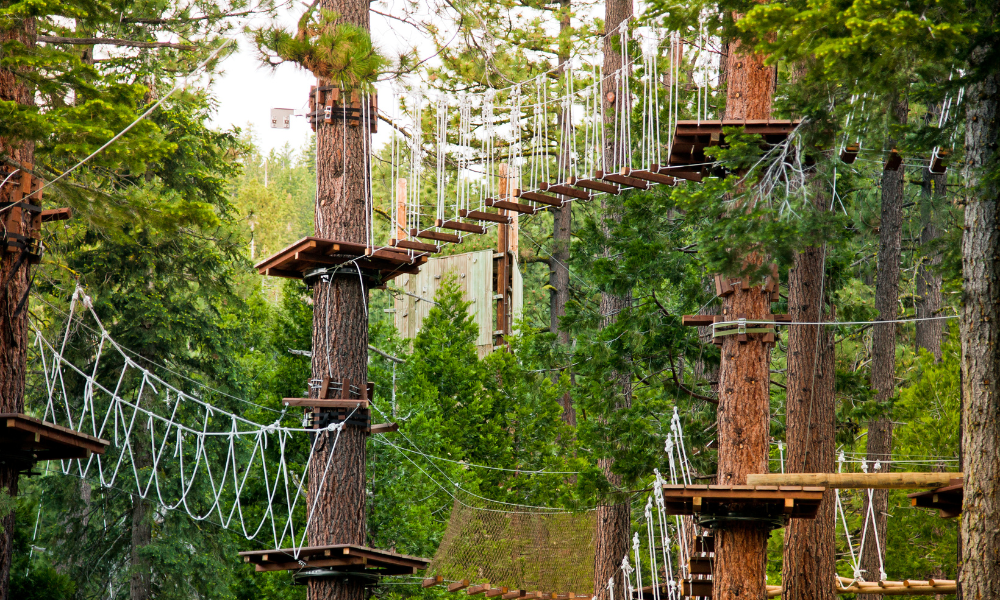
exploring a rope adventure
enjoying a ride adventure setup
engaging in kids outdoor activities
…interaction creates memory.
In many adventure parks, activities like kayaking or boating deepen this connection by bringing people closer to natural elements like water and landscapes.
When people engage physically, they develop a stronger emotional connection with nature.
Urban Oases in Growing Cities
As cities expand, the demand for green spaces grows. People actively seek community parks, family parks, and well-designed leisure parks to escape urban stress.
Creative parks serve as urban oases—spaces where nature, design, and recreation coexist.
Jungle Trail Noida stands out as a sustainable park near Noida, offering a refreshing alternative to crowded malls and conventional entertainment zones.
It’s not just about spending time outdoors—it’s about reconnecting with nature in a meaningful way.
A New Kind of Picnic Experience
A traditional picnic is simple: food, relaxation, and conversation.
But what if places for picnics could offer more?
At Jungle Trail Noida, a picnic transforms into an immersive experience. Surrounded by habitat zones and creative installations, visitors engage with nature while enjoying their day.
This makes it one of the most engaging picnic parks in the region—where relaxation meets learning.
Redefining Adventure Parks
Not all adventure parks are created equal.
Some focus purely on adrenaline—fast rides, loud music, and quick thrills. Others, like Jungle Trail Noida, balance excitement with purpose.
Elements like:
themed thrill rides
interactive play zones
creative storytelling spaces
…turn a typical outing into an educational tour.
Even concepts like a rocket ejector or immersive play structures can be designed to spark curiosity about science, environment, and innovation.
Why It Works for Kids and Families
Parents today look for more than entertainment. They want meaningful experiences for their children.
That’s why kids park concepts are evolving.
At Jungle Trail Noida, children explore, play, and learn at the same time. The park functions as an educational park for kids, making it ideal for both family outings and school trip destinations Delhi NCR.
Instead of passive learning, children experience:
wildlife awareness
sustainability concepts
creative thinking
And they enjoy every moment of it.
Changing the Way People See Noida
When people think about things to do in Noida, they often imagine malls or a typical amusement park in Noida.
But creative outdoor spaces are changing that perception.
Experiences now include:
outdoor fun parks
urban adventure parks
nature-themed parks near Delhi NCR
Among these, Jungle Trail Noida offers a unique blend of recreation and awareness.
It’s not just another outing—it’s a memorable experience.
Supporting Sustainable Tourism
Sustainable tourism doesn’t always require long trips to remote locations. It can begin within cities through thoughtfully designed spaces.
Visiting a recreational park for families that promotes eco-awareness contributes to a larger movement—Sustainable tourism India.
These parks influence how people think about:
conservation
waste management
environmental responsibility
And that impact often extends beyond the visit.
The Emotional Power of Creative Parks
Why do creative installations leave such a lasting impression?
Because they tell stories.
A sculpture becomes more than art—it becomes a message. A pathway becomes more than a route—it becomes a journey.
In art and wildlife park India concepts, storytelling transforms awareness into emotion.
And emotion leads to action.
Frequently Asked Questions
1. How do creative installations promote environmental awareness?
They use visual storytelling and interactive design to make environmental concepts engaging and easy to understand.
2. Is Jungle Trail Noida suitable for family outings?
Yes, Jungle Trail Noida is a well-designed family park offering activities for all age groups.
3. Can it be considered an educational destination?
Absolutely. It serves as an educational park for kids and is ideal for school trips and learning experiences.
4. Does it offer picnic options?
Yes, it is among the most engaging picnic parks, combining relaxation with interactive experiences.
5. How is it different from other amusement parks?
Unlike a typical amusement park in Delhi, it focuses on sustainability, creativity, and education along with entertainment.
Final Thought
Environmental awareness doesn’t always come from books or campaigns. Sometimes, it comes from simply walking through a space and noticing the details. That’s what makes Jungle Trail Noida different. It doesn’t just offer an outing—it offers a new way of seeing the world.
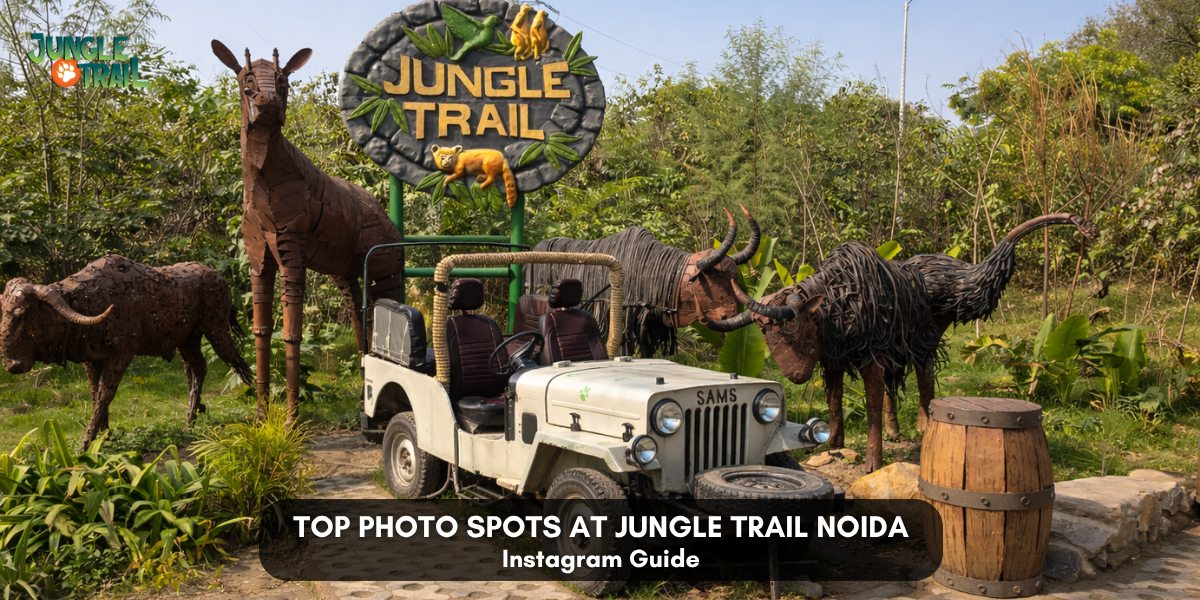
Looking for nature places or aesthetic picnic spots that are actually worth posting on Instagram? Jungle Trail Noida is quickly becoming one of the most talked-about photo locations in the city.
But where exactly should you click photos?
Is it just another eco park, or does it really offer unique backdrops like a proper waste to wonder park?
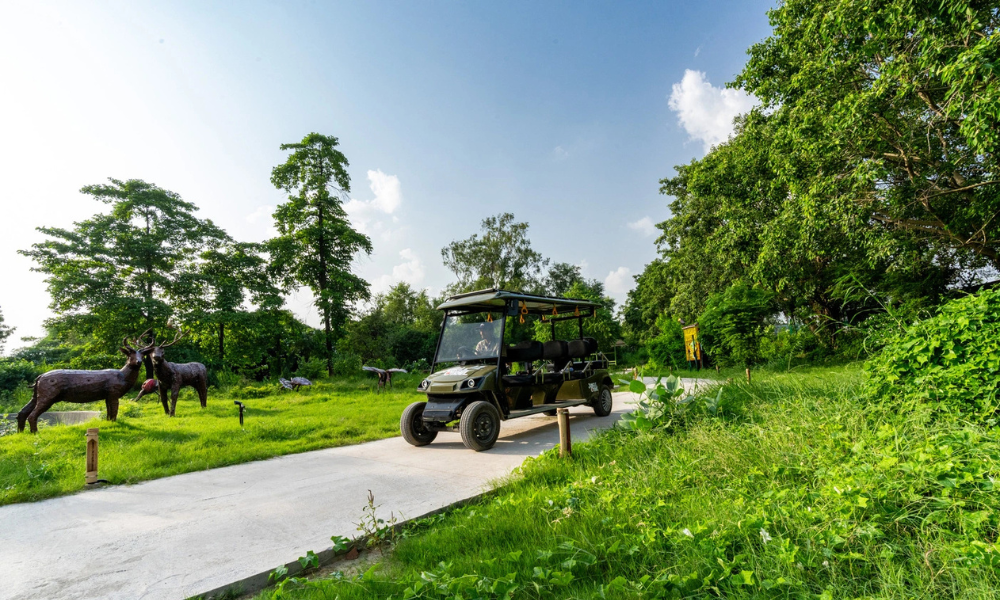
The truth is, Jungle Trail is designed in a way that naturally creates multiple photo-worthy spots—from giant animal sculptures to themed zones and open trails.
Let’s explore the best places inside where your photos will actually stand out.
Why Jungle Trail Noida is Perfect for Photography
Jungle Trail is not just a regular amusement park in Noida.
It is built using 400–500 tonnes of industrial scrap transformed into life-size animal sculptures, making it visually unique.
The park is divided into themed zones with different environments, which means every section feels different and gives a new backdrop.
That’s what makes it perfect for:
Instagram reels
Aesthetic photos
Creative content
It’s not about thrill rides—it’s about visuals.
Top Photo Spots You Should Not Miss
1. Entry Plaza & Main Gate
Your first photo opportunity starts right at the entrance.
The entry area is wide, structured, and gives that “I’m exploring something new” vibe.
Best for:
Outfit shots
Group photos
First Instagram story
2. Animal Sculpture Zones (Main Highlight)
This is the heart of the park.
You’ll find hundreds of life-size animals made from scrap—lions, elephants, birds, and more.
Why it’s perfect:
Unique textures (metal, chains, rods)
Realistic shapes
Strong visual impact
Ask yourself: Where else do you get a jungle park made entirely from recycled materials?
3. Themed Continental Zones
The park is divided into zones representing different parts of the world.
Each zone gives a different vibe:
Desert-like areas
Forest setups
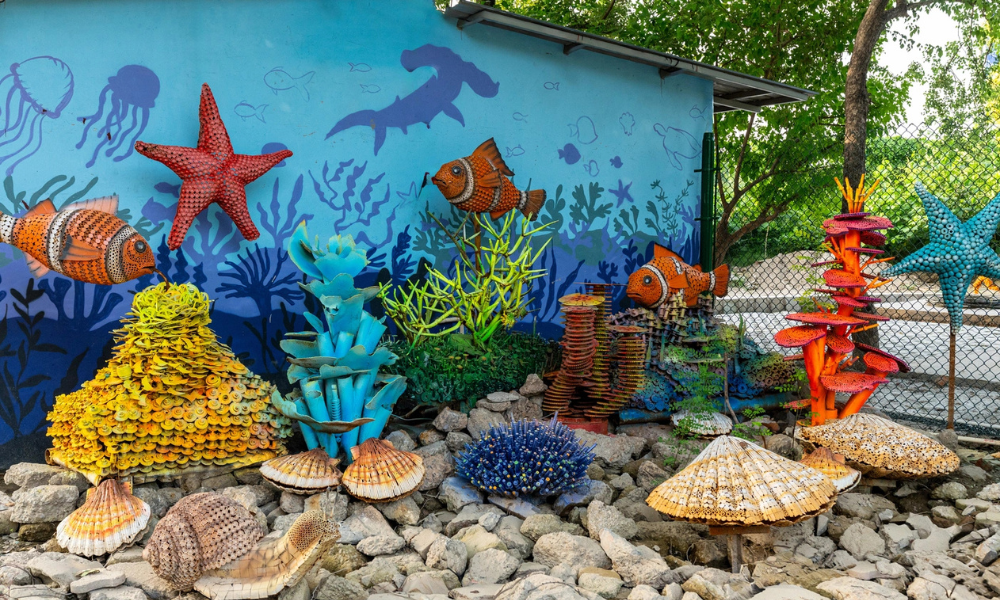
Aquatic zones
Best for:
Travel-style photos
“Different locations” in one place
4. Aqua Zone & Kids Play Area
This area adds a fun and lively background.
There’s a children’s play area and themed installations, making it great for:
kids outdoor activities shots
Family pictures
Candid moments
5. Walking Trails & Open Paths
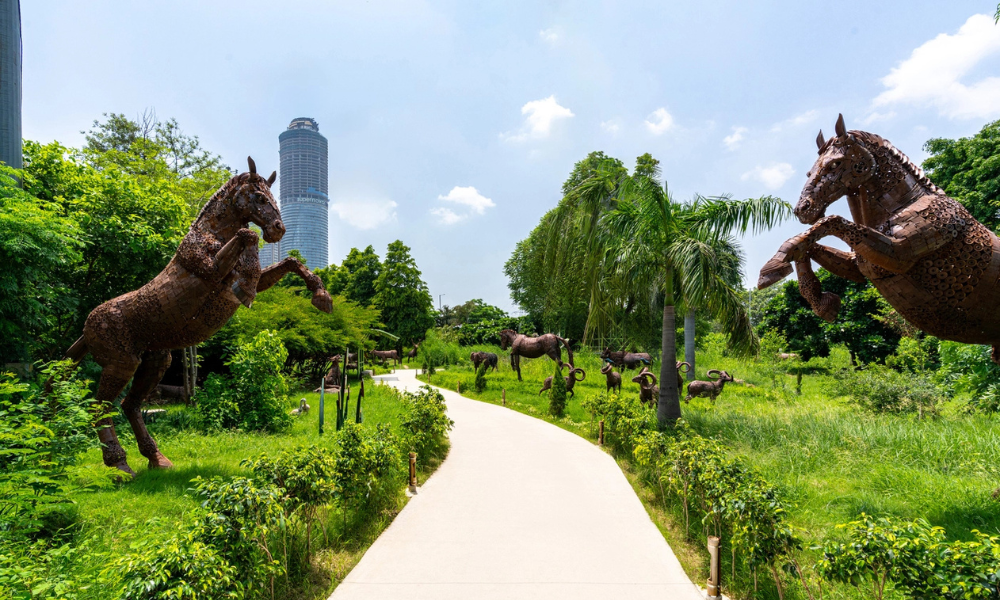
The long walking paths create natural leading lines—perfect for aesthetic shots.
Ideal for:
Solo walking shots
Couple photography
Reels
This is where Jungle Trail feels like one of the best green parks .
6. Night Lighting & “Night Safari” Vibe
If you visit in the evening, the entire park changes.
Lighting enhances the sculptures and creates a dramatic atmosphere.
Best for:
Moody Instagram shots
Night photography
Cinematic reels
7. Amphitheatre & Open Seating Areas
The park also includes open seating and amphitheatre-style spaces.
Great for:
Group photos
Relaxed candid shots
Content creation
Jungle Trail Noida outdoor walkway surrounded by greenery
Timing matters more than the location.
Morning
Soft natural light
Less crowd
Clean backgrounds
Evening
Golden hour glow
Perfect for reels
Cooler weather
Avoid afternoon if possible—it’s harsh and crowded.
What to Wear for Best Photos
Want your photos to stand out?
Wear light or neutral colors
Avoid very dark outfits (they blend with sculptures)
Comfortable footwear (you’ll walk a lot)
Is Jungle Trail Better Than Other Photo Spots?
Compared to:
community parks → more creative
leisure parks → more engaging
picnic parks → more aesthetic
It’s not like a trampoline park or adventure parks , but for photography—it easily stands out.
Tips for First-Time Instagram Visitors
Explore the full park (don’t rush)
Try different angles (low, wide, close-up)
Use natural light
Avoid crowded spots
Take candid shots (they perform better on Instagram)
Final Thoughts
Jungle Trail Noida is more than just an eco park—it’s a complete visual experience.
From scrap-made animal sculptures to themed zones and walking trails, every corner offers something unique for your camera.
So whether you’re searching for:
picnic locations
aesthetic family parks
or new things to do in Noida
This place is worth exploring—especially if you love photography.
Plan your visit to Jungle Trail Noida and capture some of the most unique Instagram shots in the city.
Frequently Asked Questions
1. Is Jungle Trail Noida good for photography? Yes, the park offers unique sculptures and themed zones, making it perfect for creative and aesthetic photography, especially for Instagram content.
2. What are the best photo spots inside Jungle Trail? Animal sculptures, walking trails, and themed zones are top spots, as they provide unique backgrounds and variety, making your photos stand out.
3. Is it better than other parks for Instagram photos? Yes, compared to regular parks, it offers more creative and structured visuals,making it one of the best photo spots in Noida.
4. What is the best time to click photos? Morning and evening are ideal, as lighting is softer and more flattering, helping improve photo quality.
5. Can I take photos with family and kids here? Yes, it is one of the best family parks for photos, offering safe and open spaces, perfect for candid and group pictures.
Have you ever wished your child could walk among wildlife from every corner of the world without leaving Delhi NCR? Most parks are packed with slides, swings, and crowds, but after a few hours, children often remember nothing but noise, sugar, and stress. For parents, finding a weekend outing that is calm, educational, and truly memorable can feel impossible.
That is where Jungle Trail transforms the ordinary into something extraordinary. Spread over 20 acres, this waste-to-art park andeco nature park is a world of discovery and imagination. Children wander through over 700 life-size animal sculptures, each carefully crafted from 500 tonnes of industrial scrap, turning what was once waste into wonder. From the mighty elephants and lions of Africa to the stealthy tigers and rhinos of Asia, the playful kangaroos and cuddly koalas of Australia, the bears and wolves of North America, the llamas of South America, and even the penguins and polar bears of icy regions, every sculpture tells a story. Here, art, wildlife, and learning come together to create an adventure that is calm, immersive, and unforgettable for the whole family.
How Storytelling from Waste Brings Wildlife to Life
Storytelling at Jungle Trail is more than simply talking about animals. It is about bringing wildlife to life in a child’s imagination, turning each encounter into a memorable lesson. Every sculpture tells a story — where the animal lives, what it eats, and how it survives in its natural habitat. Standing before a towering elephant made from recycled metal or a penguin crafted from old machinery, children begin asking questions, imagining entire ecosystems, and remembering facts almost effortlessly.
The beauty of this approach is that it engages children without screens or pressure, helping them develop focus, curiosity, and observation skills. Parents notice the difference immediately: instead of rushing through rides, children pause, explore details, and reflect on what they see. Storytelling here becomes a bridge between fun and learning, nurturing empathy for animals, understanding of global ecosystems, and an appreciation for conservation. Beyond knowledge, it sparks creativity and critical thinking, showing children that even discarded materials can be transformed into art and purpose, making every visit a unique and enriching experience for the whole family.
A Journey Across Continents: Explore Wildlife Worldwide
Jungle Trail is more than a park. It is a mini world tour of wildlife, organized into distinct zones inspired by global habitats:
Africa: Lions, elephants, giraffes, and zebras roam the savannah zones. Children can see predator-prey interactions, herd behavior, and savannah survival.
Asia: Tigers, rhinos, and Asian elephants inhabit jungle-inspired areas. Kids learn about rainforest ecosystems and conservation efforts for endangered species.
Europe & North America: Bears, deer, and wolves showcase temperate forests, teaching about seasonal adaptation, hibernation, and food chains.
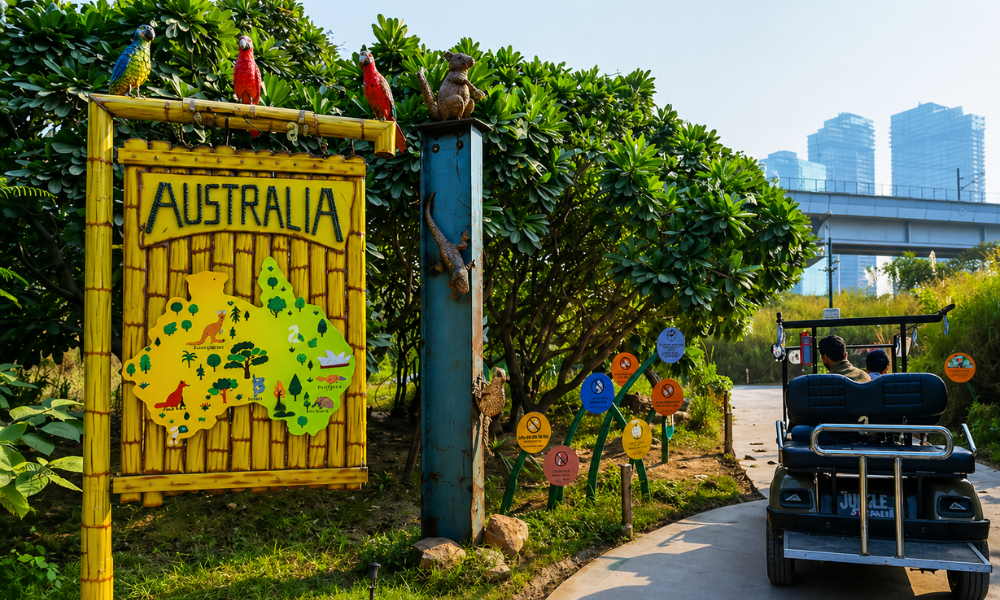
Australia: Kangaroos, koalas, and wombats introduce unique marsupial life and desert-adapted wildlife.
South America: Llamas, tropical forest animals, and exotic birds highlight rainforests and the Amazon.
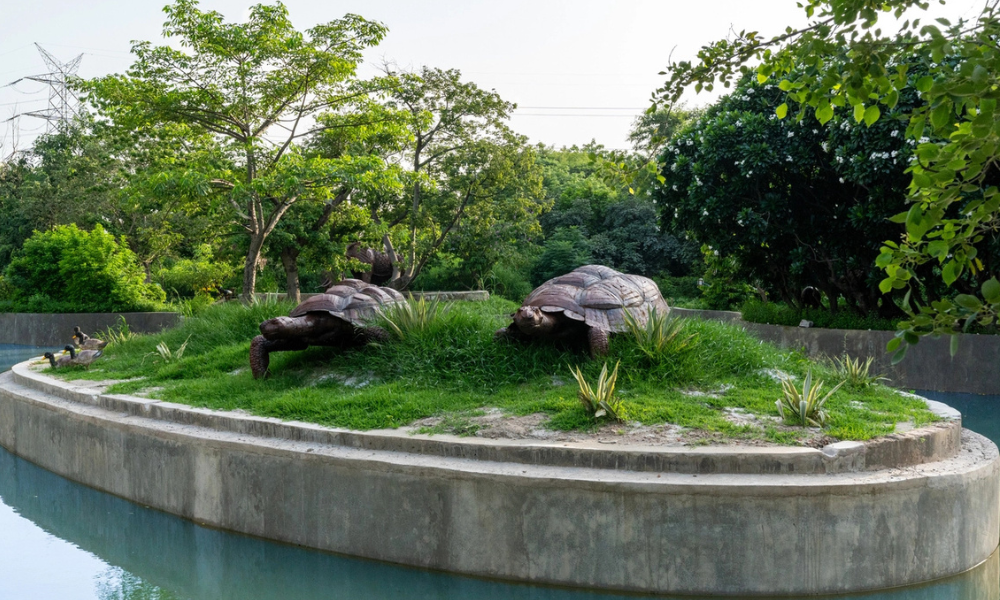
Polar regions & Oceans: Penguins, polar bears, and marine life like whales and turtles illustrate icy and marine ecosystems, showing how animals adapt to extreme climates.
Each continent zone is carefully designed to immerse children and families in the feel of that environment. Children can walk, touch, observe, and learn, while parents enjoy a calm pace and shaded resting areas.
700 Sculptures and Sustainable Art Built from Waste
One of Jungle Trail’s most remarkable aspects is its use of over 500 tonnes of recycled materials. Fuel tanks, gears, chains, nuts, and bolts are transformed into amazing sculptures, benches, gazebos, and even lighting fixtures. Families see firsthand how waste can become art, creativity, and learning opportunities.
The park is a living example of sustainability in action. Children learn that discarded materials can have new life and purpose, subtly teaching lessons about conservation, creative reuse, and environmental responsibility. At night, eco-friendly lighting brings the park to life, offering a calm night safari experience where animals seem to move with the shadows.
Activities That Make Learning Fun and Calm
Activities like Rocket Ejector, Pressure Rocket, and Zorbing bring bursts of controlled excitement. Children feel the thrill of motion while staying safe, building confidence, and discovering how fun meets focus.
Archery and Sport Climbing encourage patience, coordination, and strength. Each step, aim, or climb is a small challenge that teaches children balance and body control while letting them enjoy movement at their own pace.
Playful challenges such as Melt Down and Bull Ride turn energy into laughter. Kids learn to navigate movement, maintain balance, and test their agility in ways that feel like fun rather than structured exercise.
Water-based activities including Water Roller, Boating, and Long Boating, introduce slower, reflective moments. Families can sit together, watch the surroundings, and recharge before diving back into the next adventure.
The pace is calm and immersive. Parents can relax, sip tea, or take photos while their children explore and engage with art and wildlife. Unlike traditional amusement parks, families spend quality time together without noise or crowds.
Learning That Stays With You
Storytelling combined with art sparks curiosity, observation, and empathy. Children begin to understand global wildlife, ecosystems, and conservation efforts naturally. They also learn that creative thinking can turn discarded materials into something beautiful and meaningful.
For Delhi NCR families, Jungle Trail offers rare moments of calm, learning, and creativity. Kids leave excited, inspired, and reflective, and parents enjoy the peace of mind of a safe, immersive, and educational outing.
Why Families Choose Jungle Trail
Families love Jungle Trail for so many reasons. It is easy to reach from Delhi, Noida, Greater Noida, Gurgaon, and Faridabad, making it perfect for a relaxing weekend outing. The park offers open, safe spaces where children can wander, explore, and learn without feeling rushed or crowded.
The experience is designed for full-day engagement. Kids can immerse themselves in storytelling, hands-on art, and wildlife exploration, all at a gentle pace that keeps them curious but not exhausted. Parents enjoy the chance to observe, reflect, and connect while children discover new worlds and ideas.
What sets Jungle Trail apart is how it blends education with imagination. Storytelling walks reveal fascinating facts about animals from six continents, while sculptures made from recycled materials teach lessons about creativity, sustainability, and conservation. Photography lovers also find plenty of opportunities to capture stunning, memorable moments in a calm and scenic environment.
By the end of the day, families leave feeling inspired and connected. Children remember the animals, the stories, and the adventures, while parents appreciate a unique learning experience that goes beyond slides, swings, or screens.
Frequently Asked Questions About Jungle Trail
1. What is Jungle Trail, and what makes it different from other parks?
Jungle Trail is a waste to art park and eco nature park that brings wildlife, storytelling, and creativity together. Unlike traditional amusement parks, it offers calm, immersive experiences where visitors explore over 700 life-size sculptures of animals from six continents, learn about their habitats, and discover how recycled materials can become art.
2. How much time should we plan for a visit?
A full day is ideal to experience everything. With storytelling trails, hands-on art sessions, gentle adventures like boating, archery, and zorbing, and quiet spaces for reflection, visitors can explore the 20-acre park at a relaxed pace without feeling rushed.
3. Is Jungle Trail suitable for children of all ages?
Yes. The park is designed for visitors of all ages. Children enjoy interactive learning and creative activities, while adults can relax, observe, and even participate in hands-on art or photography. The safe, open spaces make it suitable for families, friends, and wildlife enthusiasts alike.
4. What sustainability practices does Jungle Trail follow?
Over 500 tonnes of industrial and automotive scrap are repurposed to create sculptures, benches, and infrastructure. This teaches visitors the value of creative reuse and reduces environmental impact. The park also uses eco-friendly lighting and promotes awareness about wildlife conservation and sustainable living.
5. Where is Jungle Trail located, and how can we reach it?
Jungle Trail is conveniently accessible from Delhi, Noida, Greater Noida, Gurgaon, and Faridabad. Its spacious 20-acre layout allows visitors to enjoy a full day of calm exploration without feeling crowded, making it perfect for a weekend getaway close to the city.
Plan Your Visit
Escape the noise and the usual weekend rush. At Jungle Trail, children can explore animals from Africa, Asia, Europe, Australia, South America, and the polar regions. They will interact with hundreds of life-size sculptures, create art inspired by wildlife, and enjoy activities designed to be calm, creative, and immersive.
Jungle Trail is not just a park. It is a journey of learning, imagination, and family connection. Discover how storytelling and art bring wildlife to life, spark curiosity, and leave lasting memories for the whole family.
Imagine taking your children on a journey across the African savannahs, Asian jungles, and American forests—all without leaving Delhi NCR and without a single animal in captivity. It may sound impossible, but at Jungle Trail Noida, India’s largest animal sculpture park, this is a reality.
In today’s urban environment, children have limited opportunities to interact with wildlife. Screens dominate their lives, concrete replaces greenery, and weekends often feel repetitive. Parents struggle to find recreational spaces that are fun, educational, and ethical. That’s where animal sculpture parks come in—a place where art, learning, and sustainability intersect to create experiences children remember for a lifetime.
This blog explores how these parks teach kids about wildlife, why they’re becoming the preferred choice for families, and why Jungle Trail sets a new benchmark for ethical and educational urban recreation.
Why Traditional Zoos Aren’t Enough
Zoos have long been the standard for families hoping to introduce children to wildlife. However, they come with limitations:
Ethical Concerns: Animals in captivity often experience stress, limited movement, and unnatural living conditions. Kids may enjoy seeing them, but at what cost?
Passive Learning: Watching animals behind bars does not encourage curiosity or understanding.
Limited Memory Retention: Studies show children learn best when experiences are hands-on, interactive, and story-driven.
Families are increasingly seeking experiences that are engaging, educational, and ethical—spaces where children can explore, ask questions, and connect with nature safely.
What Animal Sculpture Parks Offer
Animal sculpture parks provide a unique solution. Instead of live animals, these parks use realistic sculptures and themed habitats to teach children about wildlife.
Lifelike Sculptures: Elephants, tigers, gorillas, and exotic birds are recreated in full scale, encouraging children to observe and compare.
Thematic Trails: Each zone represents a continent or ecosystem, from the African savannah to the Asian jungle to the forests of the Americas.
Sustainable Design: Sculptures are often made from recycled or upcycled materials, teaching children about environmental responsibility.
These parks combine art, science, and play, allowing children to learn naturally and enjoyably, without harming animals.
Walk, Explore, Wonder: Hands-On Wildlife Fun
At Jungle Trail, children don’t just look—they interact. Walking along trails, touching sculptures, and observing details transforms simple sightseeing into active learning.
Children notice the stripes on a tiger, the tusks of an elephant, and the posture of a gorilla.
Safe climbing paths and observation decks allow kids to explore while staying physically engaged.
Parents can encourage observation, ask questions, and guide children to notice unique details in each sculpture.
This hands-on approach ensures children retain information better than passive viewing and keeps them physically active while learning.
Learning About Animals Through Play
Each zone in the park tells a story about animals and their habitats:
Africa: Explore the savannah and understand predator-prey relationships. Children learn how lions hunt, elephants migrate, and giraffes feed.
Asia: Discover endangered species like tigers, orangutans, and Asian elephants. Learn how forests support biodiversity.
Americas: Walk through tropical rainforests and North American forests, observing bears, jaguars, and parrots.
Australia: Explore marsupials, kangaroos, and unique reptiles in a safe, engaging environment.
Children learn naturally by observing and asking questions, reinforcing understanding without feeling like a lesson.
Activities That Spark Curiosity
While the focus is on education and wildlife awareness, subtle activity elements enhance engagement:
Short climbing paths, rope trails, and observation decks encourage movement.
These are not thrill rides—they’re carefully integrated to support learning and exploration.
Kids discover habitats, compare species, and observe lifelike animal behaviors, all while being active.
Even small activities like tracing an animal’s footprint or climbing to view a sculpture from above can reinforce curiosity and make learning memorable.
Sustainability Lessons Through Art
One of the most powerful lessons of animal sculpture parks is how humans can care for the planet while exploring wildlife.
Waste-to-Art Sculptures: At Jungle Trail, over 500 tonnes of scrap metal have been transformed into more than 800 wildlife-inspired sculptures.
Environmental Awareness: Children learn how discarded materials can be reused creatively, reducing waste and conserving resources.
Conservation Education: Sculptures and themed zones demonstrate the importance of protecting habitats and the broader ecosystem.
By experiencing sustainability in action, children understand how everyday choices impact wildlife and the environment.
Why Families Love Animal Sculpture Parks
Animal sculpture parks provide multiple benefits for children and families:
Safe and Ethical: No animals are kept in cages. Children enjoy wildlife responsibly.
Educational: Children learn about species, habitats, and ecosystems through observation and interactive zones.
Creative & Engaging: Sculptures, themed trails, and small activities encourage imagination and critical thinking.
Family Bonding: Shared discovery strengthens parent-child relationships.
Physical Activity: Walking trails and gentle adventure elements promote movement and wellness.
These parks meet the modern family’s needs for fun, learning, and ethical recreation.
A Day at Jungle Trail: Where Learning Meets Adventure
Stepping into Jungle Trail Noida feels like leaving the city behind. Located in Sector 94, Noida, this 20-acre wonderland invites families to wander, discover, and imagine. Every corner tells a story, from the rustle of the leaves to the lifelike animals crafted entirely from recycled materials.
Here, over 800 sculptures bring wildlife to life in a way that’s safe, ethical, and full of wonder. Children can lean in to inspect the stripes of a tiger, gaze up at a towering elephant, or spot a family of monkeys frozen mid-leap—all without any cages or barriers.
The park isn’t just about looking—it’s about exploring and discovering at your own pace. Gentle trails, observation decks, and subtle activity areas let kids climb, peer, and investigate without fear or pressure. Every step sparks curiosity, conversation, and sometimes laughter.
When it’s time to rest, families can relax in shaded picnic zones or enjoy a snack at the café, making it easy to spend an entire day immersed in creativity, nature, and learning.
Whether you’re planning a school outing, a weekend family adventure, or a solo exploration with your little ones, Jungle Trail provides an experience that blends education, excitement, and environmental responsibility. Children leave not just entertained, but inspired—aware of the world’s wildlife and how we can protect it.
Tips for Parents and Families
Best Visiting Times: Weekends or school holiday periods for maximum engagement
Planning School Trips: Combine educational workshops with exploration of each ecosystem zone
Encourage Questions: Parents can guide children to observe, compare, and learn about animal behaviors
Combine With Local Travel: Pair the park visit with other Delhi NCR attractions for a full day of family learning
These tips make visits fun, stress-free, and educational.
Frequently Asked Questions
1. How are animal sculpture parks different from zoos?
Sculpture parks teach children about animals and ecosystems without using live animals. Ethical education and hands-on learning are the main focus.
2. Are these parks suitable for all ages?
Yes! Trails, sculptures, and gentle activity zones engage toddlers, school-age children, and even adults
3. How do children learn about conservation?
Through observation, interactive zones, and sculptures made from recycled materials, children learn the importance of sustainability and protecting habitats
4. Can families spend a full day there?
Absolutely. Amenities like shaded picnic areas, cafés, and themed trails make Jungle Trail ideal for a day-long family outing.
Conclusion: A New Way to Explore Wildlife
What if your child could meet the wild—without cages, without fear, and without harm? That’s exactly what animal sculpture parks like Jungle Trail Noida make possible.
Here, nature isn’t something you look at from a distance. It’s something your child walks through. Life-like animal sculptures spark instant curiosity. Little feet slow down. Big questions begin. Where do they live? What do they eat? Why do they matter? Learning happens naturally—through wonder, not worksheets.
It’s adventurous, but safe. Exciting, yet calm. Every path invites exploration while quietly teaching respect for wildlife, habitats, and the planet we share. Sustainability isn’t a lesson here—it’s an experience your child feels and remembers.
And the best part? You’re in it together. Laughing. Discovering. Talking. Creating memories that last far longer than a screen ever could.
So ask yourself—when was the last time a weekend truly inspired your child?
When imagination meets sustainability, something extraordinary happens. Across India, a growing movement is redefining how we view waste, nature, and creativity. At the heart of this movement is the waste to Wonder Park, a unique concept where discarded materials are transformed into lifelike wildlife sculptures.
Jungle Trail Noida stands out as a premier destination showcasing this idea. By blending eco-friendly art with outdoor adventure, it offers families, students, and nature lovers an immersive experience where learning, recreation, and creativity meet. Each sculpture, pathway, and installation demonstrates that waste can become meaningful when shaped with purpose.
In this blog, we explore how scrap becomes wildlife art, why waste-to-art parks are gaining popularity across India, and what makes Jungle Trail Noida a must-visit waste-to-wonder park experience.
The Rise of Waste-to-Art Parks: Where Sustainability Meets Creativity
The idea of turning industrial scrap into public art and attractions has grown immensely over the last decade. Initially popular in cities like Delhi with global monuments made from scrap, the concept now includes wildlife sculptures, educational installations, and family-friendly parks.
Why These Parks Are Gaining Popularity
Growing Environmental Awareness People want destinations that combine fun with learning. A waste-to-wonder park provides a hands-on way to understand recycling, sustainability, and conservation.
Educational Value for Children Schools are now taking students to parks where lifelike wildlife sculptures bring concepts like upcycling and waste management to life, making environmental education exciting, memorable, and truly impactful.
Preference for Nature-Based Outings Families and groups seek open-air, eco-friendly alternatives to conventional indoor venues. The natural environment of these parks provides a refreshing experience.
Artistic and Engineering Appeal These larger-than-real wildlife sculptures offer a unique experience, blending the beauty of nature with artistic creativity and technical mastery.
How Scrap Transforms Into Wildlife Sculptures
Every wildlife sculpture at a waste-to-wonder park starts with imagination, creativity, and precise engineering. From discarded scrap to lifelike wildlife sculptures, each piece tells a story of sustainability, art, and innovation—capturing both hearts and minds. Here’s how scrap becomes lifelike wildlife art:
1. Sourcing Scrap Materials
Commonly used materials include:
Bicycle chains
Car parts
Nuts, bolts, and gears
Abandoned industrial scrap
Mild steel rods
Metal sheets
These items would otherwise end up in landfills, but when repurposed, they contribute to sustainability while creating visual impact.
2. Concept Designing and Blueprint Creation
Artists begin by:
Studying animal anatomy
Selecting realistic poses
Planning life-size proportions
Determining weight distribution
A precise blueprint ensures the sculpture is stable, accurate, and visually striking, making the park’s displays exceptional.
3. Structural Building: Welding and Shaping Scrap
The construction stage involves:
Cutting and shaping scrap
Welding parts together
Forming contours and muscle structures
Adding layers for depth and detail
Chains, gears, and rods are cleverly used for texture, joints, and support, with some sculptures taking weeks to complete.
4. Finishing, Polishing, and Coloring
To ensure durability and aesthetic appeal:
Sharp edges are polished
Weather-resistant paints are applied
Textures are refined
Protective coatings are added
This makes the wildlife sculptures long-lasting outdoor installations that impress visitors year-round.
Exploring Jungle Trail Noida: Wildlife Reimagined Through Scrap
Jungle Trail Noida combines eco-art with outdoor adventure, making it a complete eco-adventure destination. Visitors can enjoy:
Life-Size Wild Animals: Lions, tigers, deer, and more sculpted from scrap metal.
Bird Sculptures: Flying or perched birds crafted in intricate detail.
Reptiles and Forest Creatures: Small and large animals shaped with precision.
Each installation educates visitors about wildlife, conservation, and sustainable creativity.
Why Waste-to-Art Parks Matter: Impact Beyond Aesthetics
Waste to wonder parks serve a purpose beyond beauty:
Promoting Sustainability – Demonstrates how discarded materials can be reused meaningfully.
Inspiring Creativity – Encourages children and adults to see waste as a resource.
Supporting Local Artists – Provides a platform for artisans and fabricators to showcase skills.
Changing Perceptions About Waste – Shifts how people view junk, fostering innovation and responsibility.
Jungle Trail Noida: More Than Just a Waste-to-Wonder Park
Jungle Trail Noida is not just about wildlife sculptures—it combines eco-art with adventure, making it ideal for recreation, learning, and family outings.
Nature Trails and Learning Paths: Explore scenic walkways with environmental education.
Picnic and Family Areas: Relax and enjoy green open spaces.
This combination makes Jungle Trail Noida a truly unique eco-adventure destination.
Visitor Guide: Tips for a Memorable Trip
Best Time to Visit:
Winter season
Early mornings or late afternoons
Weekdays for quieter visits
What to Carry:
Comfortable footwear
Water bottles
Sun protection
Camera for photography
Ideal For:
Families and tourists
Educational trips
Nature lovers and adventure seekers
FAQs: Everything You Need to Know
1. How are wildlife sculptures created?
By collecting scrap, designing blueprints, welding metal parts, and applying finishing layers.
2. Is Jungle Trail Noida more than a Wildlife sculpture park?
Yes. It is an eco-adventure destination with boating, archery, nature trails, and rope courses.
3. Is it suitable for children?
Absolutely. Educational and fun outdoor activities make it perfect for kids.
4. How is it different from a regular amusement park?
It blends eco-art, nature, sustainability, and adventure in one space.
Conclusion: Where Waste Truly Becomes Wonder
Waste-to-wonder parks represent the future of eco-friendly recreation. They show that discarded materials can be transformed into meaningful art that educates, inspires, and entertains.
Jungle Trail Noida exemplifies this movement, combining wildlife sculptures, adventure activities, nature trails, and picnic zones. Whether it’s a family outing, a school trip, or a leisure day, this park offers an engaging and impactful experience where sustainability meets creativity—and where waste truly becomes wonder.
Plan your visit to Jungle Trail Noida and experience how creativity, conservation, and adventure come together. Discover a destination where waste transforms into wonder and every visit inspires sustainable thinking.