Planning a family outing today feels different from it did a few years ago. Parents are no longer just asking, “Will my child enjoy this?” They’re also asking, “Will this add something meaningful?”
This shift is why many families now prefer educational parks over traditional amusement parks. The goal is no longer just excitement for a few hours, but an experience that feels worth the time, energy, and money spent.
A Quiet Shift in How Parents Choose Experiences
Modern parenting is intentional. Parents think carefully about how their children spend weekends, how much screen time they get, and what kind of exposure truly helps them grow.
You can see this shift in small, everyday moments:
A parent planning a weekend and hoping for an outing that isn’t just another screen replacement
A child asking questions on the way back home — “Why do animals live in different places?”
Parents choosing calm, meaningful engagement over loud, chaotic fun
These moments shape why educational parks are becoming the preferred choice.
Educational Parks vs Amusement Parks: What Parents Really Compare
Parents are not against amusement parks. They understand the appeal of rides and thrills. But when they compare experiences, the difference becomes clear.
Educational Parks Offer:
Learning through play and exploration
Open spaces that feel relaxed and safe
Activities that encourage thinking and curiosity
Experiences suitable for children of different ages
Amusement Parks Offer:
Ride-focused entertainment
Short bursts of excitement
Crowded, noisy environments
Limited interaction beyond the rides
The choice often comes down to depth versus distraction.
Quick Comparison: Educational Parks vs Amusement Parks
Educational Parks
Amusement Parks
Learning through play
Ride-based entertainment
Encourages curiosity
Focuses on thrill
Calm, open environments
Loud and crowded
Suitable for all ages
Mostly thrill-focused
Meaningful takeaways
Short-term excitement
This is why many parents feel educational parks provide more value overall.
Common Concerns Parents Have With Amusement Parks
Parents often return from amusement parks feeling more tired than refreshed. Common concerns include:
Children are getting overstimulated quickly
Long waiting times reduce actual enjoyment
Parents feel stressed instead of involved
The experience ended without any real learning
Fun alone is not enough if it leaves everyone exhausted.
What Parents Actually Want From a Family Day Out?
From our understanding of family decision-making, parents usually want:
Fun that feels purposeful
Safe, well-managed spaces
Activities children can relate to real life
Experiences that spark conversations later
Value that feels justified, not rushed
A good outing is one where children don’t just say “That was fun” — they say “I learned something new.”
Why Educational Parks Are Growing in Popularity?
Educational parks reflect how parenting itself has evolved.
They are not replacing amusement parks. They are a response to modern parenting values — where learning, emotional well-being, and curiosity matter as much as entertainment.
Educators and child development experts often highlight that children learn best through hands-on, real-world experiences. Outdoor exploration, creative displays, and interactive learning help children understand concepts naturally, without pressure.
Is an Educational Park Right for Every Age Group?
Educational parks are usually designed to include everyone:
Younger children enjoy visual elements and open exploration
Older children connect with themes like wildlife, nature, and sustainability
Parents and grandparents appreciate calmer environments and meaningful engagement
This makes educational parks ideal for family outings with mixed age groups.
Are Educational Parks Worth the Time and Cost?
Parents often feel educational parks are worth it because:
Children stay engaged for longer periods
Learning continues even after the visit
The experience feels enriching, not overwhelming
Parents feel confident about their choice
This is what many parents describe as guilt-free fun — enjoyment without compromise.
How Educational Parks Bring Learning to Life?
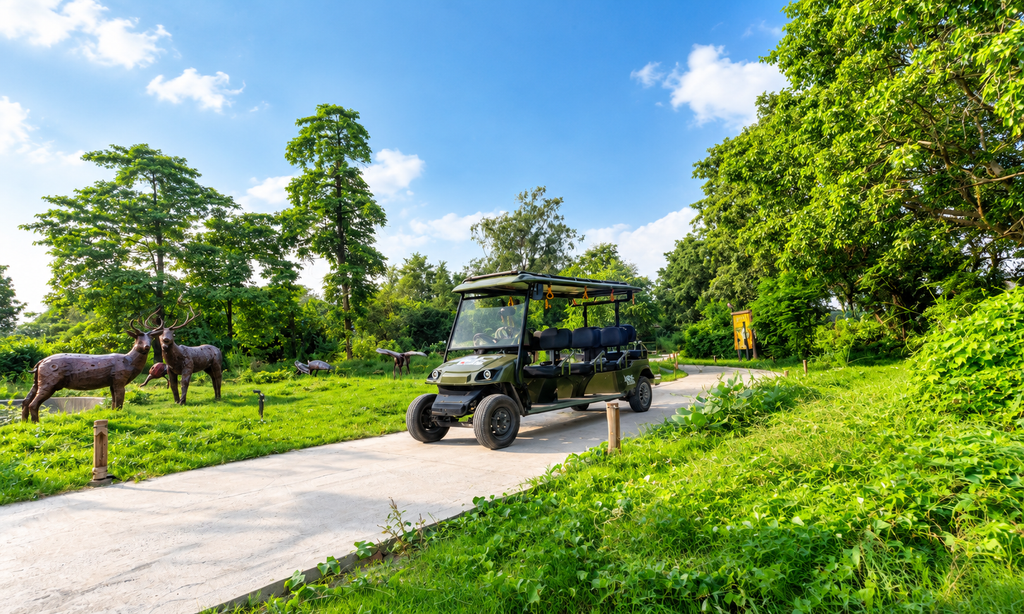
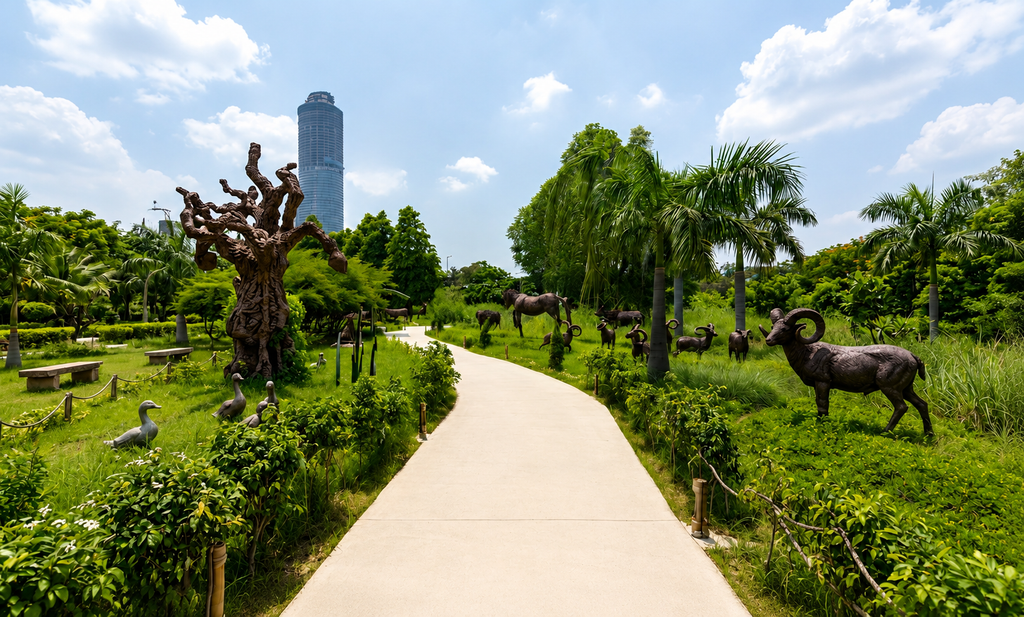
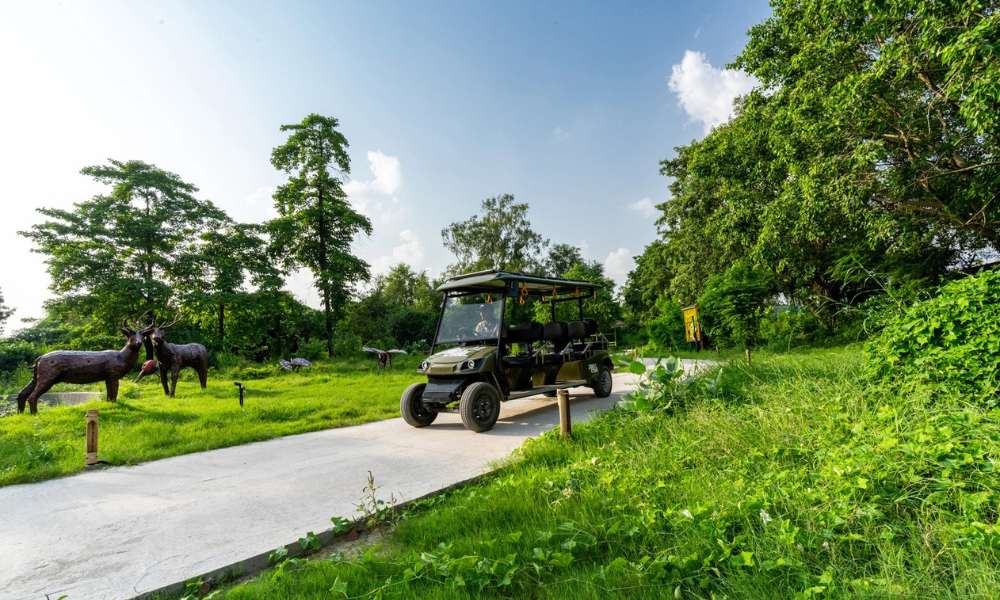
Parks like Jungle Trail Noida show how education and recreation can come together naturally. Animal sculptures made from recycled materials, themed zones, and adventure activities help children learn about wildlife, creativity, and sustainability in a memorable way.
These experiences encourage:
Awareness of the environment
Curiosity and imagination
Respect for nature
Physical activity in a balanced setting
Children don’t remember rides for long — they remember stories, discoveries, and questions.
Why Schools and Educators Prefer Educational Parks?
Educational parks are often chosen for school trips because they:
Learning based on experiences
Reinforce classroom concepts
Encourage observation and inquiry
Make learning enjoyable and memorable
This alignment with education further strengthens parents’ trust.
What Parents Usually Consider Before Choosing a Park?
Before finalising an outing, parents often think about:
Whether it’s a half-day or full-day experience
Suitability for different age groups
Comfort and safety for children
Whether the experience will still be interesting on a second visit
Educational parks that address these concerns clearly tend to earn long-term loyalty.
Frequently Asked Questions
1. Are educational parks suitable for young children?
Yes, most educational parks focus on open spaces and interactive elements that are safe and engaging for younger children.
2. Are educational parks safe for kids?
Educational parks usually offer controlled activities and supervised environments, making them family-friendly.
3. How are educational parks different from amusement parks?
Educational parks focus on learning through experience, while amusement parks focus mainly on thrill and rides.
4. Can educational parks be used for school trips?
Yes, many educational parks are designed specifically to support experiential and outdoor learning for students.
5. How long should a family spend at an educational park?
Most families comfortably spend several hours exploring without feeling rushed or tired.
Conclusion: Choosing Experiences That Stay With Children
Amusement parks offer excitement for a day. Educational parks offer memories, understanding, and curiosity that last much longer.
When parents choose experiences that teach while they entertain, they are not just planning a day out. They are shaping how their children see and understand the world.
These experiences stay with children long after the visit ends. They spark questions, build awareness, and turn simple outings into meaningful life lessons. Choose an experience that goes beyond fun.
Noida is buzzing, but sometimes the city’s energy feels overwhelming. Honking cars, crowded streets, construction noise, and lingering smog can make weekends feel like a continuation of the workweek. Where do you go when the city becomes too loud, too fast, too exhausting?
Right in the heart of Noida, an extraordinary destination offers a solution. A new park in Noida that uses industrial waste to transform into lifelike wildlife across 20 acres of thoughtfully designed landscapes. Jungle Trail is a pioneering eco-tourism park that is redefining urban leisure. Instead of chaos, visitors find calm. Instead of screens, they find art. Instead of cages, they discover wildlife through art that is ethical, engaging, and inspiring.
Have you ever wished for a weekend that restores your senses, sparks curiosity, and connects you to nature all without leaving the city? Jungle Trail Noida delivers exactly that experience, turning a simple outing into a journey of discovery.
Why This New Park in Noida Offers the Perfect Weekend Escape
Weekends in Noida no longer need long drives or traffic-packed excursions. Residents crave short, meaningful escapes that leave them refreshed and engaged. This innovative urban park provides exactly that. Families can enjoy hands-on learning. Adults can find quiet reflection. Couples can stroll along scenic pathways that weave art, wildlife, and sustainability into a single experience.
Urban leisure experiences in Noida are evolving. People are moving away from crowded malls and generic entertainment, seeking immersive activities that reconnect them with nature. Why travel far when a place like this offers adventure, calm, and education within city limits?
Leave the chaos behind and walk into calm
Step out of your car and notice the difference. Outside, Noida hums with traffic and construction. Inside, the air feels cleaner. Walking paths wind through lush greenery. Shaded zones provide rest. Eco-friendly lighting transforms evenings into reflective, serene spaces.
Mindfulness in urban spaces is no longer a luxury, but it’s a necessity. Slow travel in cities like Noida allows visitors to pause, breathe, and reconnect with the world around them. Escape city pollution and feel the tension of the week melt away as you stroll among sculptures, streams, and open green spaces. Urban green escapes like this park remind us that nature doesn’t exist only far awaybut it can thrive right in our cities.
“New park in Noida where waste turns into wildlife.
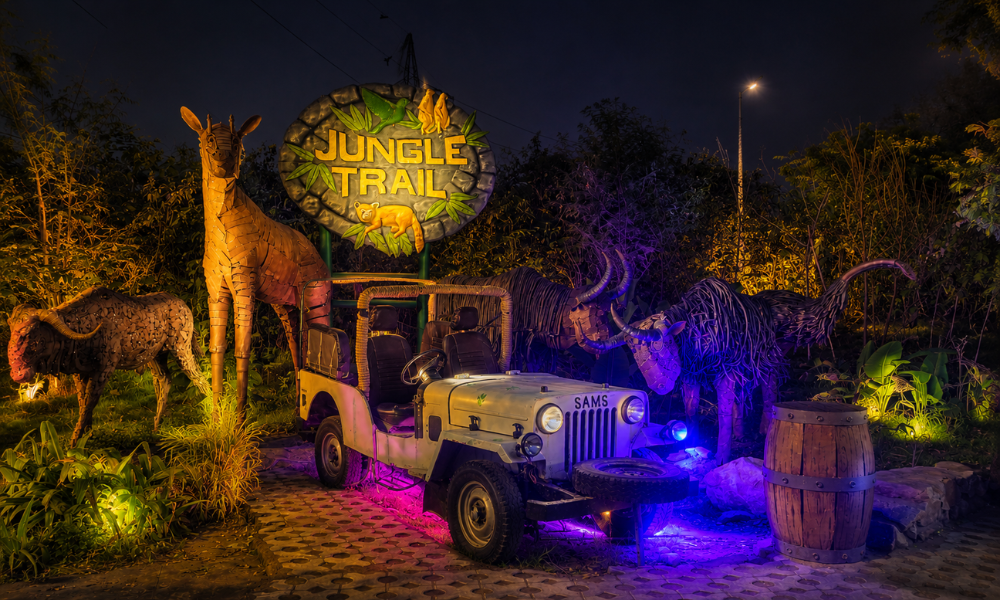
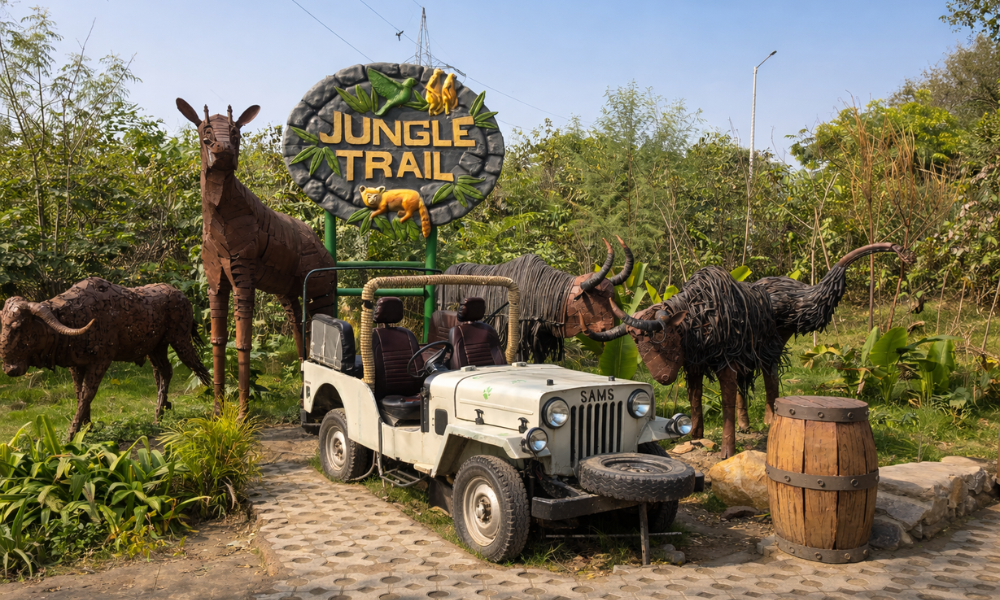
Imagine a discarded fuel tank transformed into a majestic elephant, or old gears forming the mane of a roaring lion. Jungle Trail has done just that. Using over 500 tonnes of industrial scrap, the park has created more than 800 wildlife sculptures. This is more than art; it’s storytelling through imagination, environmental education, and a bold statement about sustainability.
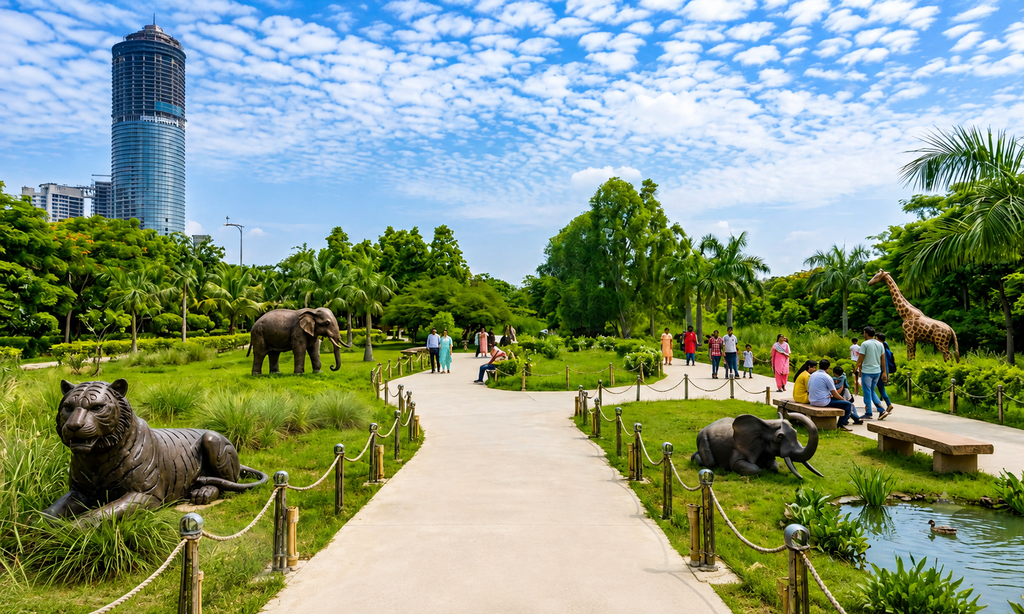
Jungle Trail is a new park in Noida, which transforms over 500 tonnes of industrial waste into more than 800 animal sculptures. Visitors wander through deserts, wetlands, forests, and polar zones, encountering animals from all seven continents. It’s one of the most engaging animal sculpture parks in Noida and a leading sustainable urban park in India.
Can you imagine learning about wildlife without ever seeing an animal in a cage? That is the brilliance of the Jungle Trail wildlife sculptures experience.
Experience wildlife without cages and learn through real experiences.”
Why do we still assume animals belong in cages? Jungle Trail challenges that notion entirely. Children and adults alike can explore wildlife in a safe, ethical, and immersive environment.
Families can spend hours discovering each sculpture and ecosystem. Adults reconnect with nature. Children learn scale, texture, and geography in an unforgettable, hands-on way. This approach to environmental education for children fosters curiosity, empathy, and learning without pressure.
Explore All Seven Continents in a Single Walk
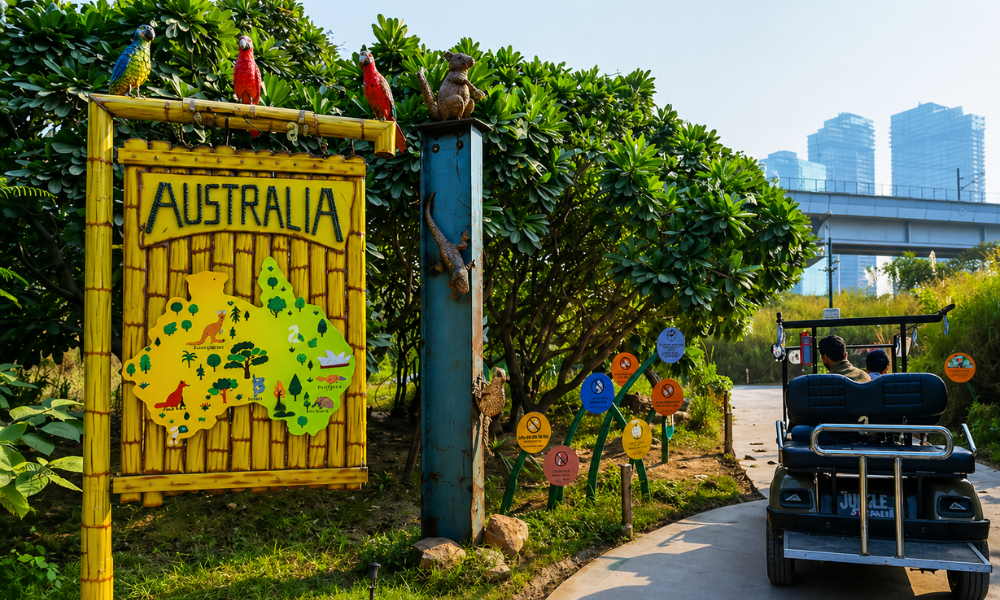
Have you ever traveled the world in one afternoon? At Jungle Trail, it is possibleto encounter African lions, Asian tigers, Antarctic penguins, and Australian kangaroos coexisting across themed zones. Each area has been carefully designed to replicate natural habitats using recycled materials, emphasizing wildlife observation and sustainability in this brand new park in Noida.
This global experience turns every photograph into a story. Walking through Jungle Trail, you don’t just see wildlife but feel deeply connected to a planet where art, learning, and ethical observation come alive. Each sculpture, pathway, and themed zone sparks curiosity, wonder, and reflection. Urban leisure experiences in Noida have never felt this immersive.
At this new park in Noida, where you can explore animals from all seven continents, discover how recycled waste becomes breathtaking art, and experience a weekend escape that refreshes your mind and senses—all without leaving the city. It’s more than a park; it’s a journey where creativity, sustainability, and wildlife meet.
A Living Classroom for Families and Students
Children do not just observe, but they also explore, touch, and imagine. Families find spaces to connect without screens. Schools discover the park as a living classroom where environmental awareness emerges naturally.
Jungle Trail is a family-friendly attraction that encourages curiosity and reflection. Children learn without textbooks. Adults rediscover beauty effortlessly. This new park in Noida transforms weekends into opportunities for meaningful exploration while instilling an appreciation for sustainable practices and wildlife conservation.
Why This Park Fits Perfectly Into Noida Life
City life moves fast. Traffic, deadlines, noise, and screens rarely give you space to pause. That’s why accessibility matters so much. When a park feels close, familiar, and unrushed, people actually use it.
At Jungle Trail, a visit doesn’t feel like a tedious affair. Couples wander here slowly, talking without checking the time. Families let children run ahead, curious and unhurried. Seniors sit beneath shaded trees, watching the world move gently instead of rushing past them. You can spend a few hours or an entire day in this new park in Noida.
Why travel far when calm exists right here? Jungle Trail shows that urban leisure does not have to be loud, crowded, or exhausting. Thoughtful landscaping, recycled art, and environmentally friendly design come together to create a space that feels welcoming rather than overwhelming. It is leisure without pressure, learning without lectures, and sustainability without preaching.
The Future of Urban Leisure in Noida
The world is changing, and so are its people. Residents living in metros are no longer looking only for malls or quick entertainment. They want spaces that slow them down. Places that feel meaningful. Experiences that leave them lighter than when they arrived.
This is where waste-to-art parks step in. Jungle Trail reflects a growing shift toward mindful urban living. Here, wildlife is celebrated without cages. Creativity replaces consumption. Reflection replaces noise. Visitors walk through landscapes inspired by ecosystems across continents, learning about animals, recycling, and sustainability without even realizing they are learning.
Cities do not have to drain the people who live in them. They can restore, educate, and inspire. This new park in Noida offers a glimpse of that future, where green spaces heal rather than exhaust, and where ethical engagement with nature becomes part of everyday urban life.
Frequently Asked Questions (FAQs)
1. What makes Jungle Trail different from other parks in Noida?
Jungle Trail is a new park in Noida that stands apart because it blends art, wildlife, and sustainability into one immersive experience. Instead of rides or crowds, it offers calm walking trails, lifelike animal sculptures made from recycled waste, and thoughtfully designed ecosystems. It feels less like a typical city park and more like stepping into a quiet, creative world within Noida.
2. Is Jungle Trail suitable for families with children?
Yes, it is especially for families. Children learn about animals, continents, and recycling through exploration rather than instruction. Parents appreciate that kids stay engaged without screens, while the open layout allows families to spend time together at a relaxed pace.
3. Can you experience wildlife here without live animals?
Absolutely. The park focuses on wildlife without captivity. Through detailed sculptures and themed zones, visitors understand animal forms, habitats, and global biodiversity without seeing animals confined to cages. This ethical approach resonates strongly with animal lovers and environmentally conscious visitors.
4. How does the park promote sustainability?
The entire park is built around the idea of reuse and transformation. Industrial scrap metal is turned into large-scale wildlife art, benches, gazebos, and lighting elements. Visitors learn about recycling and sustainability simply by walking through the space, without lectures or signboards overwhelming the experience.
5. Is this park good for a short weekend visit?
Yes. Many visitors come for just a few hours and still feel refreshed. The park fits easily into a half-day or evening plan, making it ideal for Noida residents who want a break from traffic, noise, and routine without long travel.
6. Does Jungle Trail feel crowded on weekends?
While weekends are popular, the open pathways, wide landscapes, and multiple zones help prevent the space from feeling congested. Visitors often mention that it still feels calm compared to malls or traditional entertainment spots.
7. Can couples and seniors enjoy the park too?
Definitely. Couples enjoy slow walks and quiet corners, while seniors appreciate shaded seating and gentle pathways. The park is designed for unhurried movement, making it comfortable and enjoyable across age groups.
8. Why are waste-to-art parks becoming popular in Noida and Delhi NCR?
As pollution, noise, and screen fatigue increase, people are looking for meaningful escapes closer to home. Waste-to-art parks offer something rare: peace, creativity, and learning combined. They reflect a growing desire for ethical, mindful urban leisure rather than fast, consumption-driven entertainment.
A Weekend That Stays With You
Imagine stepping away from traffic and horns for just a few hours. Imagine walking into a space where discarded metal becomes art, where animals exist without confinement, and where your mind finally slows down.
That is what a weekend in this new park in Noida feels like. It is not just another park visit. It is a quiet reminder that beauty can come from waste, that wildlife can be respected without captivity, and that cities can still offer peace.
Can a short visit change how you see your surroundings? Can it shift how you think about sustainability, wildlife, and your own pace of life? At Jungle Trail, it often does. Every sculpture carries intention. Every pathway invites pause. And every visitor leaves with something intangible but a powerful perspective.
Ever wondered why more families are swapping malls for parks on weekends? In Delhi and NCR, the shift is clear: families are choosing green spaces, fresh air, and open adventure over crowded, noisy shopping complexes. Parks now offer children a place to explore, learn, and play while giving parents a serene escape to recharge. Among these, Jungle Trail Noida stands out as a truly unique experience that combines eco-adventure, creativity, and fun learning, making it the ultimate destination for family outings.
Why Parks Are Winning Hearts Over Malls
Parks give kids the freedom to run, climb, and explore without limits. Unlike malls, they offer fresh air, open spaces, and real physical play. Parents enjoy calmer surroundings that reduce stress and screen dependence. That’s why families are choosing parks—for healthier kids and meaningful time together.
Active Play for Growing Kids
Unlike malls, kids’ parks let children burn energy naturally. From running and climbing to cycling and exploring trails, outdoor play strengthens muscles, enhances coordination, and boosts overall health.
Fresh Air and Stress Relief for Parents
Green spaces provide calm, reduce stress, and allow parents to bond meaningfully with their children. A stroll in a shaded park or a quiet picnic can feel like a mini-vacation.
Learning Through Exploration
Many parks now double as educational hubs. Children can learn about wildlife, plants, and ecosystems while exploring, making weekends fun and intellectually stimulating.
7 Must-Visit Kids’ Parks in Delhi & NCR
1. Jungle Trail Noida – Eco-Art and Wildlife Adventure
Jungle Trail Noida is unlike any park you’ve ever visited. Spanning 20 acres, it transforms 500 tonnes of scrap metal into more than 700 life-size animal sculptures from six continents. Kids can explore elephants, tigers, camels, and exotic birds, all creatively crafted from recycled materials.
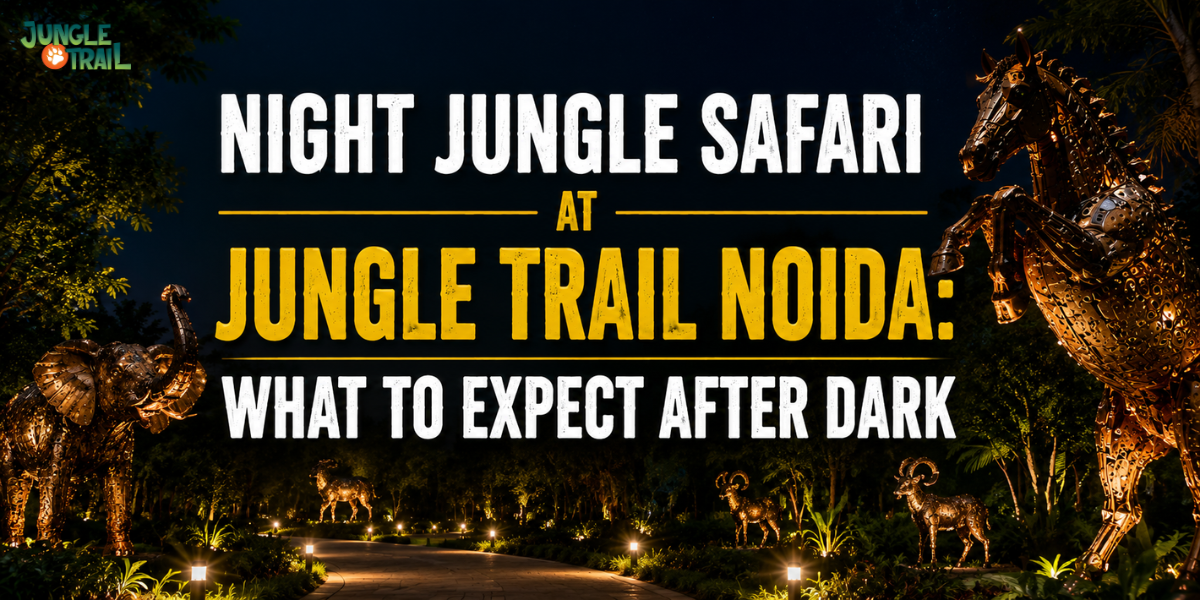
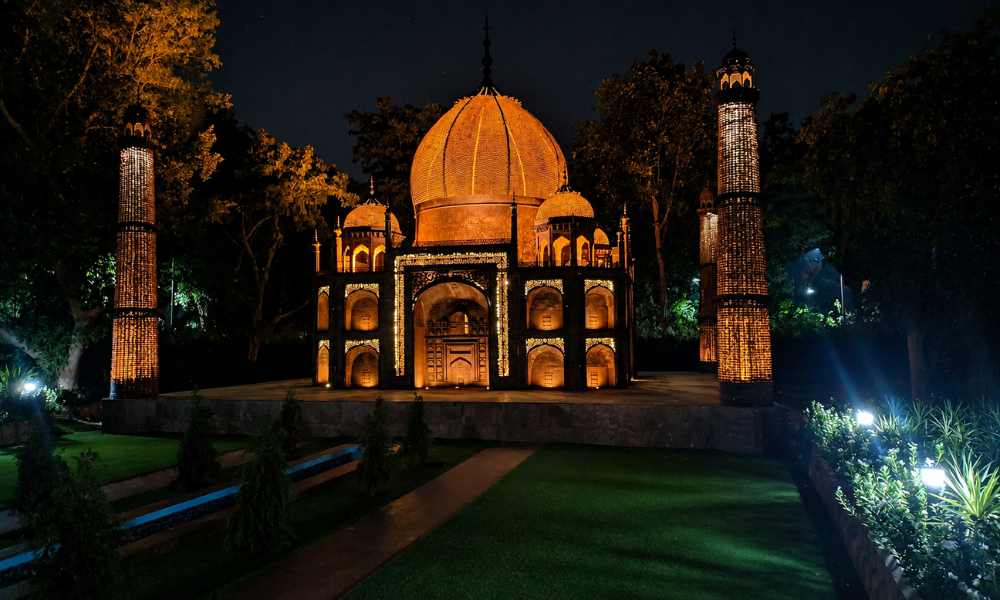
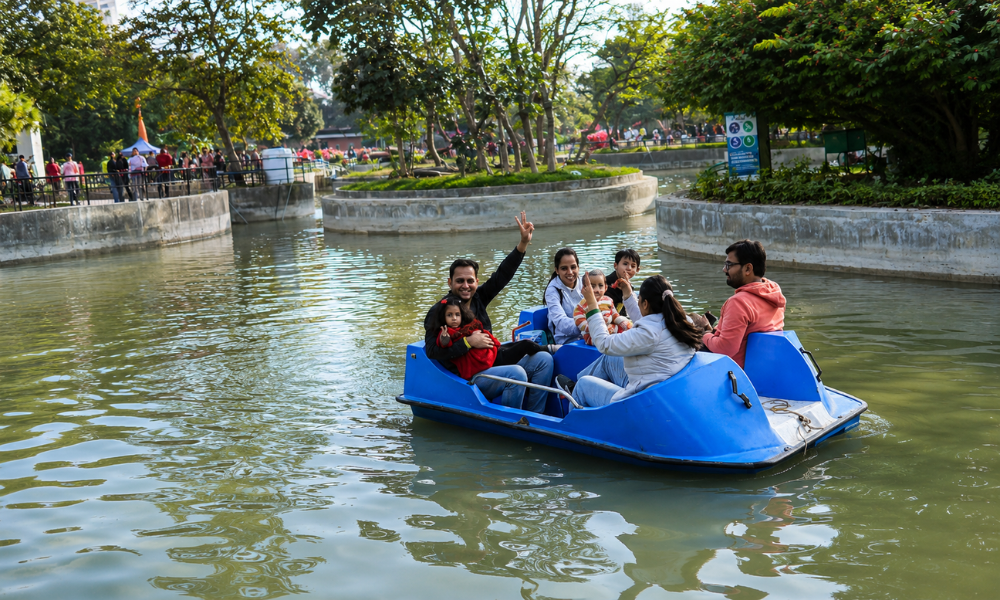
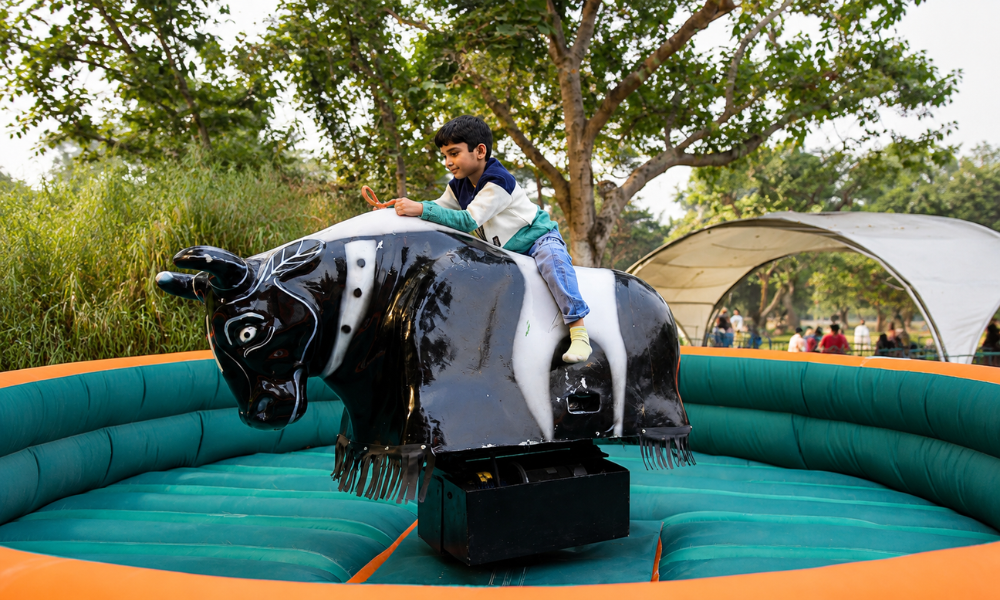
Adventure seekers enjoy zorbing, boating, wall climbing, and bull rides, while parents appreciate the park’s eco-conscious vision. For a magical experience, the night jungle safari illuminates sculptures with vibrant lighting, making the wildlife feel alive. Jungle Trail combines learning, creativity, and outdoor fun, making it a must-visit for families in Noida.
Tips: Best for toddlers to teens, Amenities: Cafes, restrooms, shaded areas
2. Deer Park, Hauz Khas – Nature, Wildlife, and Historic Trails
Deer Park, in South Delhi, is a serene oasis spread over 60 acres, featuring open lawns, shaded walkways, and dedicated sections like a rabbit enclosure and a deer sanctuary. Kids can observe wildlife up close, while families enjoy leisurely strolls along tree-lined paths.
Adjacent to Hauz Khas Lake, it combines natural beauty with historic charm. Peacocks, water birds, and gentle deer make the park feel like a mini wildlife sanctuary. Free entry and ample space make Deer Park ideal for picnics, walking, and immersive outdoor learning experiences.
3. Lodi Gardens – History Meets Play
Lodi Gardens spans about 90 acres and blends historic architecture with lush greenery. Ancient tombs from the Lodi dynasty coexist with wide lawns perfect for kite flying, picnics, and games. Children enjoy running through gardens while discovering centuries-old monuments, making it both a play area and educational space.
Early mornings and evenings are ideal to experience joggers, yoga enthusiasts, and families soaking in greenery. The park’s calm yet engaging environment creates a balanced outing for kids and adults alike.
4. Sunder Nursery – Heritage and Botanical Wonder
Sunder Nursery near Humayun’s Tomb is a 90-acre heritage and botanical park, rich with Mughal-era architecture, ponds, butterfly zones, and sprawling lawns. Children can explore the dedicated play areas and shaded trails, while adults enjoy heritage walks and serene picnics.
With weekend markets and seasonal flower exhibitions, Sunder Nursery blends nature, culture, and education, giving families a multifaceted experience. Its combination of relaxed exploration and visual storytelling makes it perfect for creative and curious minds.
5. Yamuna Biodiversity Park – Birdwatching and Eco-Learning
Yamuna Biodiversity Park in North Delhi spans over 450 acres, dedicated to wetlands and natural habitats. Kids can spot migratory birds, butterflies, and insects along wooden trails while learning about ecosystems.
Guided educational walks offer hands-on insights into conservation, making it a unique blend of outdoor fun and environmental awareness. Families can enjoy peaceful walks, photography, and eco-education in one immersive experience.
6. Japanese Park, Rohini – Play and Picnic Delight
Japanese Park, or Swarn Jayanti Park, offers open lawns, boating facilities, and picnic zones. Kids enjoy swings, slides, and cycling, while adults relax in shaded areas. Its spacious design allows for unstructured play, giving families a casual and stress-free outing.
Occasional cultural events and festivals enhance the experience, making it a versatile choice for both recreation and light adventure.
7. Jahanpanah City Forest – A Forest Escape in the City
Jahanpanah City Forest spans over 430 acres and provides a forest-like environment inside Delhi. Winding trails under dense tree cover make it ideal for nature hikes, birdwatching, and outdoor learning.
The raw, unmanicured greenery offers kids a chance to explore, play, and connect with real nature. Families seeking a quiet, immersive, and adventurous day outdoors will find this forest a hidden gem.
Tips for a Successful Park Outing
Best Time to Visit: Early morning or afternoon
Must-Bring: Water bottles, sunscreen, hats, mats, healthy snacks
Safety: Supervise near water or wildlife; choose stroller-friendly paths
Facilities: Check for restrooms, cafes, and shaded seating
How to Make Park Visits More Fun
1. Scavenger Hunts With a Twist Turn a simple walk into an exciting mission! Encourage kids to spot and collect natural treasures—like unique leaves, pinecones, or feathers. Add challenges like “find a bird’s nest” or “locate a flower with three colors” to make it more active and engaging.
2. Hands-On Nature Exploration Encourage kids to observe, document, and interact with nature. Watch birds, catch sight of insects, or track animal footprints. Bring magnifying glasses or binoculars to make the experience immersive.
3. Active Physical Fun Parks are perfect for movement! Include activities like:
Archery: Build focus and coordination while having fun.
Boating or paddleboarding: For lakes or ponds, adds adventure and teamwork.
Obstacle courses or fitness trails: Encourage running, jumping, and climbing.
Bull rides or safe mechanical rides (if available): Adds thrill and excitement.
4. Photography and Creative Play Capture your park adventures with photos of wildlife, plants, or fun moments on playgrounds. Encourage storytelling around the pictures to combine creativity with movement.
5. Make Exploration the Focus Instead of making park visits about structured learning, make them about active engagement with nature. Movement, curiosity, and teamwork make the experience memorable and joyful, creating a natural bond with the outdoors.
Frequently Asked Questions (FAQs)
1. Which parks in Delhi & NCR are best for kids?
Most parks in Delhi & NCR are great for kids of all ages. Adventure parks like Jungle Trail Noida are ideal for young kids to teens, while heritage gardens and biodiversity parks suit kids who love exploring nature, animals, and open spaces.
2. Are parks better than malls for kids on weekends?
Yes. Parks give kids space to run, play, and explore, unlike malls where movement is limited. Outdoor environments also reduce screen time, support physical development, and help kids stay mentally active.
3. Which park offers the best learning experience for kids?
Parks like Jungle Trail Noida, Yamuna Biodiversity Park, and Sunder Nursery offer learning through exploration, where kids discover wildlife, plants, ecosystems, and creativity while playing outdoors.
4. What is the best time to visit parks with kids?
Early mornings and late afternoons are best, especially in warmer months. These times offer pleasant weather, fewer crowds, and safer play conditions for kids.
5. What should parents carry for a comfortable park visit with kids?
Parents should carry water bottles, sunscreen, hats, comfortable footwear, light snacks, and picnic mats. Small activity items like binoculars, balls, or sketchbooks can make the visit more fun for kids.
Conclusion
Parks in Delhi & NCR provide fresh air, active play, learning, and family bonding. From the imaginative Jungle Trail Noida to heritage gardens and forest trails, every park offers a unique adventure. Swap your mall routine for a weekend in nature — your children will explore, learn, and create memories that last a lifetime. 👉This weekend, ditch the mall. Take your kids where memories grow — Delhi & NCR parks are calling.
Have you ever wished your child could walk among wildlife from every corner of the world without leaving Delhi NCR? Most parks are packed with slides, swings, and crowds, but after a few hours, children often remember nothing but noise, sugar, and stress. For parents, finding a weekend outing that is calm, educational, and truly memorable can feel impossible.
That is where Jungle Trail transforms the ordinary into something extraordinary. Spread over 20 acres, this waste-to-art park andeco nature park is a world of discovery and imagination. Children wander through over 700 life-size animal sculptures, each carefully crafted from 500 tonnes of industrial scrap, turning what was once waste into wonder. From the mighty elephants and lions of Africa to the stealthy tigers and rhinos of Asia, the playful kangaroos and cuddly koalas of Australia, the bears and wolves of North America, the llamas of South America, and even the penguins and polar bears of icy regions, every sculpture tells a story. Here, art, wildlife, and learning come together to create an adventure that is calm, immersive, and unforgettable for the whole family.
How Storytelling from Waste Brings Wildlife to Life
Storytelling at Jungle Trail is more than simply talking about animals. It is about bringing wildlife to life in a child’s imagination, turning each encounter into a memorable lesson. Every sculpture tells a story — where the animal lives, what it eats, and how it survives in its natural habitat. Standing before a towering elephant made from recycled metal or a penguin crafted from old machinery, children begin asking questions, imagining entire ecosystems, and remembering facts almost effortlessly.
The beauty of this approach is that it engages children without screens or pressure, helping them develop focus, curiosity, and observation skills. Parents notice the difference immediately: instead of rushing through rides, children pause, explore details, and reflect on what they see. Storytelling here becomes a bridge between fun and learning, nurturing empathy for animals, understanding of global ecosystems, and an appreciation for conservation. Beyond knowledge, it sparks creativity and critical thinking, showing children that even discarded materials can be transformed into art and purpose, making every visit a unique and enriching experience for the whole family.
A Journey Across Continents: Explore Wildlife Worldwide
Jungle Trail is more than a park. It is a mini world tour of wildlife, organized into distinct zones inspired by global habitats:
Africa: Lions, elephants, giraffes, and zebras roam the savannah zones. Children can see predator-prey interactions, herd behavior, and savannah survival.
Asia: Tigers, rhinos, and Asian elephants inhabit jungle-inspired areas. Kids learn about rainforest ecosystems and conservation efforts for endangered species.
Europe & North America: Bears, deer, and wolves showcase temperate forests, teaching about seasonal adaptation, hibernation, and food chains.
Australia: Kangaroos, koalas, and wombats introduce unique marsupial life and desert-adapted wildlife.
South America: Llamas, tropical forest animals, and exotic birds highlight rainforests and the Amazon.
Polar regions & Oceans: Penguins, polar bears, and marine life like whales and turtles illustrate icy and marine ecosystems, showing how animals adapt to extreme climates.
Each continent zone is carefully designed to immerse children and families in the feel of that environment. Children can walk, touch, observe, and learn, while parents enjoy a calm pace and shaded resting areas.
700 Sculptures and Sustainable Art Built from Waste
One of Jungle Trail’s most remarkable aspects is its use of over 500 tonnes of recycled materials. Fuel tanks, gears, chains, nuts, and bolts are transformed into amazing sculptures, benches, gazebos, and even lighting fixtures. Families see firsthand how waste can become art, creativity, and learning opportunities.
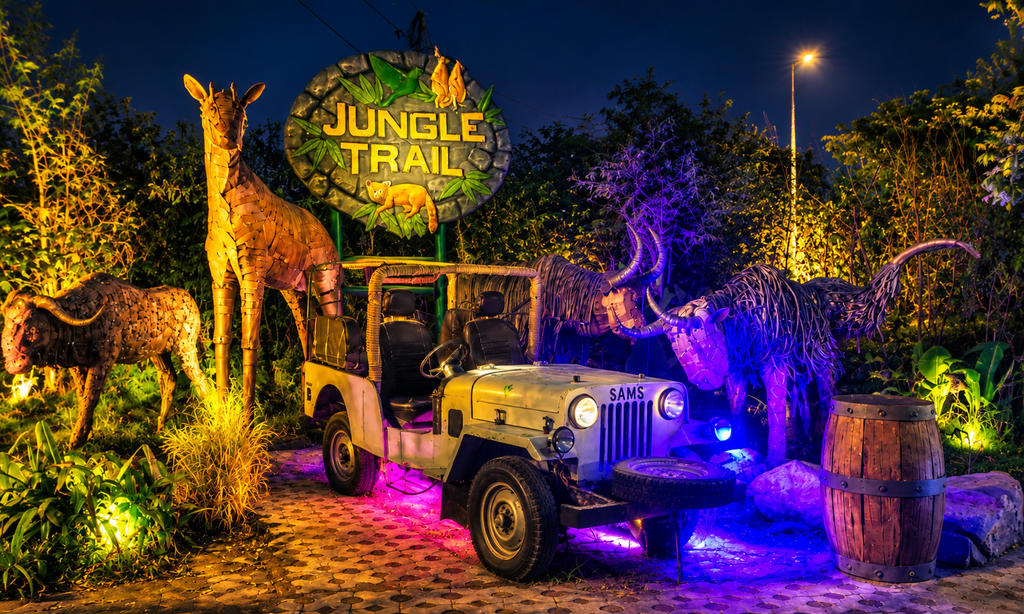
The park is a living example of sustainability in action. Children learn that discarded materials can have new life and purpose, subtly teaching lessons about conservation, creative reuse, and environmental responsibility. At night, eco-friendly lighting brings the park to life, offering a calm night safari experience where animals seem to move with the shadows.
Activities That Make Learning Fun and Calm
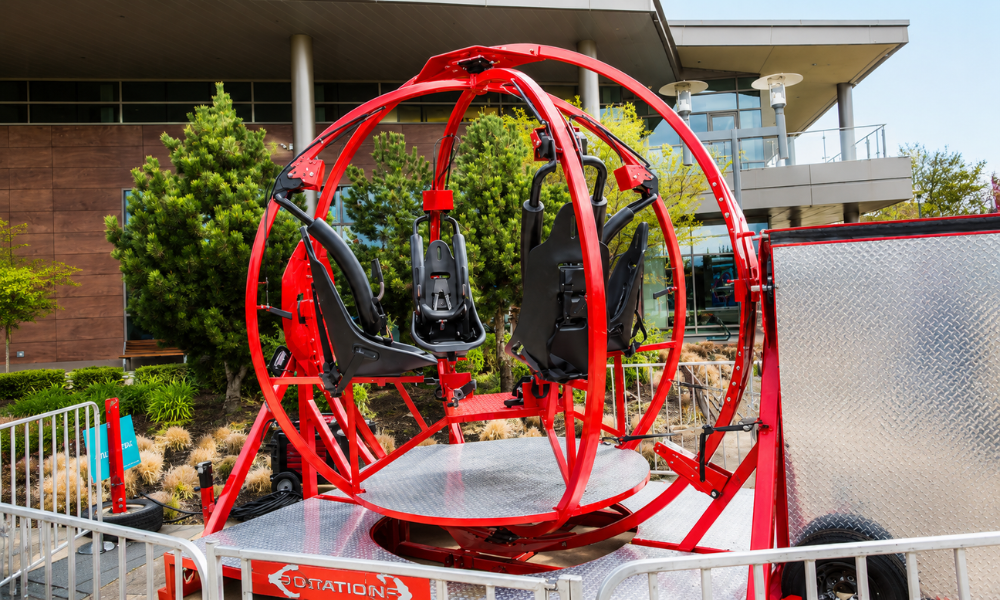
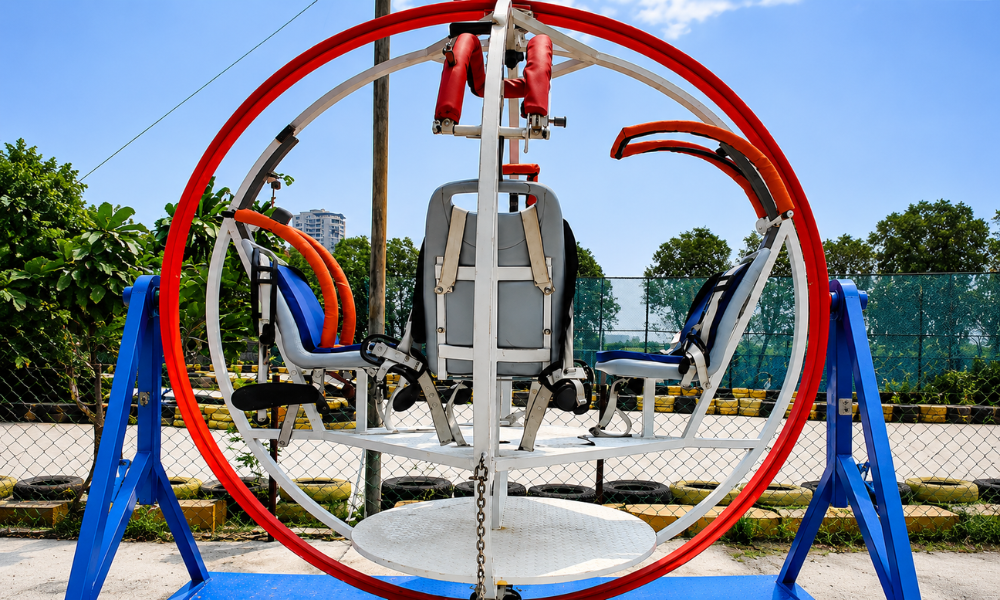
Activities like Rocket Ejector, Pressure Rocket, and Zorbing bring bursts of controlled excitement. Children feel the thrill of motion while staying safe, building confidence, and discovering how fun meets focus.
Archery and Sport Climbing encourage patience, coordination, and strength. Each step, aim, or climb is a small challenge that teaches children balance and body control while letting them enjoy movement at their own pace.
Playful challenges such as Melt Down and Bull Ride turn energy into laughter. Kids learn to navigate movement, maintain balance, and test their agility in ways that feel like fun rather than structured exercise.
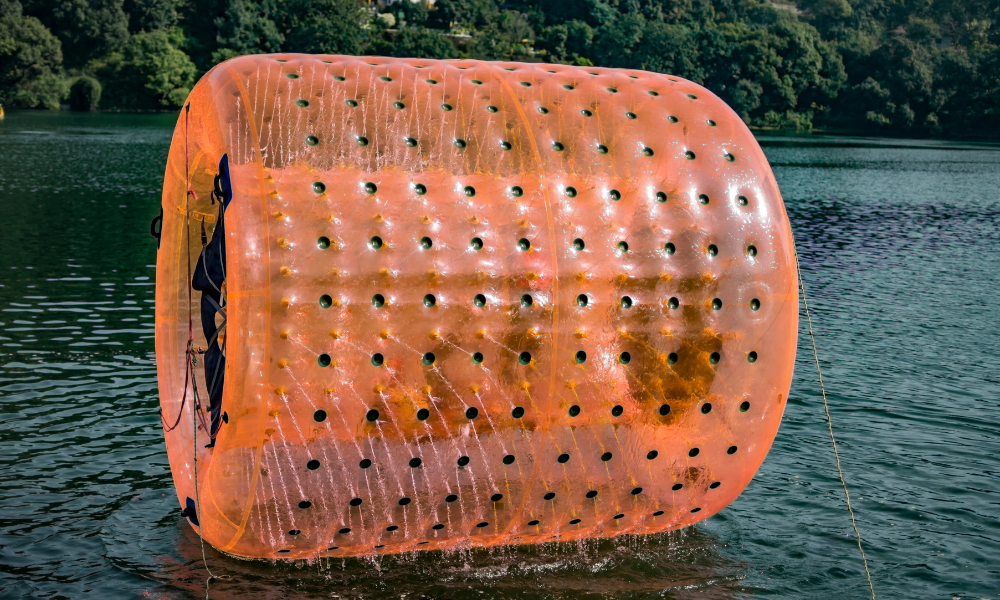
Water-based activities including Water Roller, Boating, and Long Boating, introduce slower, reflective moments. Families can sit together, watch the surroundings, and recharge before diving back into the next adventure.
The pace is calm and immersive. Parents can relax, sip tea, or take photos while their children explore and engage with art and wildlife. Unlike traditional amusement parks, families spend quality time together without noise or crowds.
Learning That Stays With You
Storytelling combined with art sparks curiosity, observation, and empathy. Children begin to understand global wildlife, ecosystems, and conservation efforts naturally. They also learn that creative thinking can turn discarded materials into something beautiful and meaningful.
For Delhi NCR families, Jungle Trail offers rare moments of calm, learning, and creativity. Kids leave excited, inspired, and reflective, and parents enjoy the peace of mind of a safe, immersive, and educational outing.
Why Families Choose Jungle Trail
Families love Jungle Trail for so many reasons. It is easy to reach from Delhi, Noida, Greater Noida, Gurgaon, and Faridabad, making it perfect for a relaxing weekend outing. The park offers open, safe spaces where children can wander, explore, and learn without feeling rushed or crowded.
The experience is designed for full-day engagement. Kids can immerse themselves in storytelling, hands-on art, and wildlife exploration, all at a gentle pace that keeps them curious but not exhausted. Parents enjoy the chance to observe, reflect, and connect while children discover new worlds and ideas.
What sets Jungle Trail apart is how it blends education with imagination. Storytelling walks reveal fascinating facts about animals from six continents, while sculptures made from recycled materials teach lessons about creativity, sustainability, and conservation. Photography lovers also find plenty of opportunities to capture stunning, memorable moments in a calm and scenic environment.
By the end of the day, families leave feeling inspired and connected. Children remember the animals, the stories, and the adventures, while parents appreciate a unique learning experience that goes beyond slides, swings, or screens.
Frequently Asked Questions About Jungle Trail
1. What is Jungle Trail, and what makes it different from other parks?
Jungle Trail is a waste to art park and eco nature park that brings wildlife, storytelling, and creativity together. Unlike traditional amusement parks, it offers calm, immersive experiences where visitors explore over 700 life-size sculptures of animals from six continents, learn about their habitats, and discover how recycled materials can become art.
2. How much time should we plan for a visit?
A full day is ideal to experience everything. With storytelling trails, hands-on art sessions, gentle adventures like boating, archery, and zorbing, and quiet spaces for reflection, visitors can explore the 20-acre park at a relaxed pace without feeling rushed.
3. Is Jungle Trail suitable for children of all ages?
Yes. The park is designed for visitors of all ages. Children enjoy interactive learning and creative activities, while adults can relax, observe, and even participate in hands-on art or photography. The safe, open spaces make it suitable for families, friends, and wildlife enthusiasts alike.
4. What sustainability practices does Jungle Trail follow?
Over 500 tonnes of industrial and automotive scrap are repurposed to create sculptures, benches, and infrastructure. This teaches visitors the value of creative reuse and reduces environmental impact. The park also uses eco-friendly lighting and promotes awareness about wildlife conservation and sustainable living.
5. Where is Jungle Trail located, and how can we reach it?
Jungle Trail is conveniently accessible from Delhi, Noida, Greater Noida, Gurgaon, and Faridabad. Its spacious 20-acre layout allows visitors to enjoy a full day of calm exploration without feeling crowded, making it perfect for a weekend getaway close to the city.
Plan Your Visit
Escape the noise and the usual weekend rush. At Jungle Trail, children can explore animals from Africa, Asia, Europe, Australia, South America, and the polar regions. They will interact with hundreds of life-size sculptures, create art inspired by wildlife, and enjoy activities designed to be calm, creative, and immersive.
Jungle Trail is not just a park. It is a journey of learning, imagination, and family connection. Discover how storytelling and art bring wildlife to life, spark curiosity, and leave lasting memories for the whole family.
Inside Jungle Trail Noida: A Sustainable Waste-to-Art Eco Park
Ever walked into a city park and felt… nothing? Just grass, benches, maybe a fountain? In a world of screens, traffic, and concrete, don’t we crave something wilder—something that sparks curiosity, creativity, and wonder? What if a park could bring art, wildlife, and adventure together, turning ordinary moments into unforgettable experiences? And what if every step you took could also teach sustainability, while igniting imagination in kids and adults alike?
That’s where Jungle Trail Noida comes alive. This waste-to-art eco park blends creativity, nature, and adventure into a single playground—where wildlife-inspired trails meet immersive art, and every corner celebrates the beauty of sustainability.
Urban infrastructure keeps expanding, but urban life often feels stuck on fast-forward. Long commutes. Constant notifications. Weekends that disappear before they even begin. Our minds stay switched on, even when our bodies want rest. Is it any surprise that cities sometimes feel more mechanical than human?
This constant mental fatigue is quietly changing how people look at recreation. Loud amusement parks and ordinary green spaces no longer satisfy. What city dwellers really want are places that calm the mind while still engaging it. Spaces that restore balance, spark curiosity, and make time outdoors feel meaningful.
That’s exactly where Jungle Trail Noida comes in. Spread across 20 acres, this waste-to-art eco park transforms discarded materials into playful trails, creative installations, and interactive experiences. Nothing feels forced or overbuilt. Every corner encourages movement, imagination, and presence—things that urban life slowly erodes.
Think about it: when was the last time a park made you feel lighter after leaving? Jungle Trail is designed for that shift. It invites families to slow down, children to explore without screens, and adults to reconnect with something real. Sustainability here isn’t just a message—it’s an experience you carry home with you.
So why are eco parks becoming the future of urban leisure? How are cities embracing this model? And what makes Jungle Trail a benchmark for sustainable recreation in India?
This feature explores what makes an eco park special—and why Jungle Trail speaks directly to the modern urban mind.
The Evolution of Eco Parks: A New Chapter in Urban Recreation
For decades, city parks served a limited purpose: offering open green spaces for leisure. Today, with climate awareness rising and urban populations growing denser, recreational expectations have transformed. People want spaces that entertain, educate, inspire, and contribute to the environment rather than burden it.
Eco parks satisfy this demand by integrating sustainability into their design, operations, and visitor experience. From upcycled art installations to renewable-energy lighting to biodiversity education zones, eco parks are no longer passive environments. They are interactive learning landscapes.
Jungle Trail in Noida represents this evolution at an unprecedented scale—melding waste management innovation, wildlife art, environmental education, and family adventure into a single destination.
Jungle Trail Noida: India’s Largest Waste-to-Art Eco Park
Imagine a park where discarded materials come alive as art and wildlife. That’s Jungle Trail in Sector 94, Noida—India’s largest waste-to-art eco park. Every trail, sculpture, and interactive zone turns recycled materials into creative, playful experiences that inspire both children and adults.
Why Jungle Trail Stands Out
Over 500 tonnes of scrap materials transformed into imaginative park features.
More than 800 wildlife-inspired sculptures crafted entirely from recycled waste.
20-acre layout divided into themed zones for exploration, play, and learning.
A fun, educational, and eco-friendly space for families, schools, and urban explorers.
Where Art, Nature, and Imagination Meet
At Jungle Trail, visitors can walk through wildlife sculptures, explore interactive trails, and discover themed habitats—all without harming animals or the environment. Each corner is designed to spark creativity, curiosity, and a love for nature.
As India’s largest waste-to-art eco park, Jungle Trail is more than a park—it’s a playground for imagination, art, and sustainable fun, showing how urban recreation can be both exciting and responsible.
Inside the Ecosystems: What You Experience in the Park
Jungle Trail is designed like a world safari, with each zone offering unique experiences inspired by different continents and ecosystems. The park combines creativity, sustainability, and adventure, turning recycled materials into stunning sculptures and interactive spaces.
Zone 1: Visitor Amenities & Facilities
Everything you need for a comfortable day out:
Event Space – Perfect for workshops, meetups, and programs.
Amphitheater – Open-air stage for shows and performances.
Sports Arena – Space for games and physical activities.
Parking – Ample and convenient.
Toilets – Clean and accessible.
Zone 2: Australia & Asia – Wildlife & Habitats
Explore the wildlife and ecosystems of Australia and Asia:
Sculptures and installations made from recycled materials.
Lifelike representations of animals and habitats.
Opportunities to learn about biodiversity in a creative way.
Zone 3: Aquazone – Europe, Alaska & Serbia
A water-themed zone with fun and relaxation:
Aquazone – Water-inspired trails and sculptures.
Jungle Cafe – Take a break and enjoy refreshments.
Parking & Toilets – Convenient facilities for visitors.
Emergency Exits – Safety and accessibility.
Zone 4: Africa & America – Adventure & Exploration
Discover wildlife and ecosystems from Africa and the Americas while enjoying active experiences:
Adventure Sports – Rope courses, climbing, and more.
Emergency Exits – Designed for safety.
Toilets – Clean, accessible facilities.
Amenities Designed for Comfort, Learning, and Community
Jungle Trail is not simply a sculpture park; it has been master-planned to serve families, schools, tourists, and recreational seekers.
Key Amenities
Entry plaza with parking capacity for over 300 vehicles
A 1,000-seat amphitheatre, ideal for cultural events, school programs, and environmental workshops
Shaded picnic areas built from recycled materials
Children’s play zones, integrating safe and creative designs
A multi-cuisine food court offering refreshments for long visits
Souvenir and exhibition spaces, promoting local artists and environmental crafts
Planned night safari experience, creating a new nighttime recreational format for Noida
Every space follows green design principles and enhances visitor experience without compromising the park’s sustainability ethos.
The Activities Zone: Recreation Powered by Adventure
To complement the educational and artistic experience, Jungle Trail includes an adventure activity area offering safe, supervised recreational challenges suitable for all ages.
Full Activity List with Pricing
Rocket Ejector – ₹250
Archery – ₹100
Long Boating – ₹500 (30 minutes)
Pressure Rocket – ₹200
Melt Down – ₹100
Sport Climbing – ₹100 per climb
Bull Ride – ₹100
Water Roller – ₹200 (15 minutes)
Boating – ₹200 (10 minutes)
These activities make Jungle Trail a complete one-day destination that blends recreation with learning, perfect for families, corporate groups, and school excursions.
Sustainability at Scale: Why This Park Matters
Jungle Trail stands as a model for sustainable development due to its scale of recycling, education, and environmental storytelling.
Upcycling 500+ Tonnes of Scrap
Instead of allowing industrial metal waste to populate landfills, the project repurposes discarded parts into functional and artistic structures. This reduces carbon footprint, lowers raw material demand, and sets a national example for circular economy principles.
Reduced Carbon Emissions
Every sculpture built from recycled metal avoids the emissions associated with manufacturing new materials. The park also reduces transport emissions by sourcing local scrap.
Environmental Education
For children, students, and families, Jungle Trail functions as a living classroom where ecological awareness becomes a hands-on experience rather than a textbook chapter.
No Real Animals Used
Unlike traditional zoos, the park promotes wildlife appreciation through art rather than captivity.
Visionaries Behind Jungle Trail: Zing Parks by Z-Tech Initiative
The creation of Jungle Trail was led by Zing Parks / Z-Tech Initiative and its sustainability-driven brand, a pioneer in developing waste-to-art theme parks across India.
Their Notable Projects Include:
Dinosaur Park
Waste to Wonder Park
UP Darshan Park
Multiple eco-art installations across Delhi NCR, Lucknow, and Prayagraj
Zing Parks combines engineering, artistry, and environmental design to build large-scale installations that stimulate imagination while promoting sustainability. The company is recognized as one of India’s leading innovators in upcycled park design.
Why Eco Parks Like Jungle Trail Are the Future of Urban Recreation
Eco parks serve urgent global and social needs:
1. Rising Environmental Awareness
Cities must balance recreation with sustainability. Eco parks offer both.
2. Family-Friendly Education
Parents increasingly prefer spaces where children learn through experience. Jungle Trail offers immersive environmental learning.
3. A Shift from Passive to Experiential Tourism
Visitors seek interactive, story-driven environments. Eco parks deliver exactly that through experiential ecosystems.
4. Sustainability as a Standard, Not a Trend
Urban planning worldwide is moving toward low-waste and eco-positive development. Jungle Trail represents how future parks will be built.
5. Health and Wellness Benefits
Ample outdoor space, fresh air, walking trails, and activity zones encourage movement—a significant value in dense cities.
The Waste-to-Art Jungle Trail: A Reimagined Zoo for the Modern City
Instead of animals behind enclosures, Jungle Trail celebrates the spirit of wildlife through art, engineering, and imagination. Every sculpture tells a story: about the planet, about reuse, about innovation, and about our responsibility to protect nature.
This is not merely a park. It is a vision—a future model for city recreation. Jungle Trail demonstrates that sustainability can be spectacular, educational, and deeply enjoyable.
Frequently Asked Questions:
1. What Defines Jungle Trail as an Eco Park and How Is It Different from Regular Parks?
Jungle Trail is classified as an eco park because it is built on sustainability-driven design principles, using over 500 tonnes of repurposed industrial scrap to create more than 800 wildlife sculptures and themed installations. Unlike traditional parks, Jungle Trail prioritizes environmental education, upcycling, conservation awareness, and immersive ecosystem storytelling rather than basic recreation or passive green space.
2. What Attractions and Ecosystem Zones Can Visitors Explore Inside Jungle Trail?
Visitors can experience a world-through-art journey across multiple global ecosystems, including deserts, wetlands, forests, polar regions, Asian jungles, and a prehistoric dinosaur zone. The park features lifelike sculptures crafted from metal waste, thematic landscapes, shaded picnic areas, a food court, play zones, boating, activity areas, an amphitheatre, and eco-friendly lighting for evening exploration.
3. Does Jungle Trail Offer Activities for Children and Families?
Yes. Jungle Trail includes a comprehensive adventure zone with safe, supervised activities suitable for all ages. Popular offerings include Rocket Ejector, Archery, Sport Climbing, Bull Ride, Water Roller, Boating, Long Boating, Pressure Rocket, and Melt Down. These experiences make the park ideal for families, school groups, and recreational outings.
4. Why Are Eco Parks Becoming the Preferred Choice for Urban Recreation?
Eco parks provide more meaningful and sustainable recreational experiences by blending creativity, environmental awareness, and outdoor activity. As cities become more congested, families increasingly prefer destinations that offer learning, nature immersion, and health benefits rather than purely commercial amusement parks. Eco parks also support climate goals by reducing waste, promoting biodiversity education, and fostering community engagement.
5. Who Developed Jungle Trail and What Sustainability Vision Guides the Park?
Jungle Trail is developed through a Public-Private Partnership between Noida Authority and Z-Tech (Zing Parks), a pioneer in waste-to-art theme parks across India. The vision behind Jungle Trail is to transform discarded materials into immersive learning environments, promote sustainability on a large scale, and inspire communities to adopt responsible environmental practices.
Conclusion: Redefining Urban Recreation with Sustainability
The future of urban recreation won’t be shaped by concrete and steel alone. It will be driven by intention, imagination, and responsibility. As cities grow faster and greener spaces shrink, one question becomes impossible to ignore—can progress exist without costing the planet? Jungle Trail answers with a quiet but confident yes.
Jungle Trail doesn’t just entertain people. It moves them. By transforming discarded materials into enticing, hands-on adventures, it gives waste a second life and purpose. Walk the paths. Touch the structures. Feel the difference. Sustainability here isn’t a theory—it’s an experience you carry with you.
These aren’t just parks you visit and forget. They are spaces that stay with you. They bring families closer to nature, spark curiosity in children, and gently remind adults of what we’ve been missing. In a time of climate anxiety and everyday burnout, isn’t joy with meaning exactly what cities need?
As urban lifestyles continue to evolve, Jungle Trail raises the bar. It proves recreation can restore rather than exploit, and entertainment can leave something behind worth remembering.
In 2025, educating children about recycling, sustainability, and environmental responsibility has never been more important. With increasing screen time and digital distractions, traditional classroom lessons often fail to capture young learners’ attention. Parents and teachers are now seeking hands-on, immersive learning experiences that make sustainability tangible and engaging.
Eco parks, like Jungle Trail Noida, are emerging as ideal venues for students to connect with nature, understand recycling, and develop a sense of environmental stewardship. These parks combine educational trails, interactive workshops, and creative activities that transform abstract concepts into memorable, practical experiences.
Why Sustainability Education Matters for Students
Teaching students about sustainability is no longer optional—it’s a critical skill for the next generation. Beyond memorizing facts about recycling, children need real-world experiences that show them the impact of waste, the value of conservation, and the importance of biodiversity.
Key reasons for outdoor sustainability education:
Cognitive Development: Students retain concepts better when they engage with the material hands-on.
Environmental Awareness: Early exposure to eco-practices fosters lifelong responsibility.
Creativity and Problem-Solving: Activities like making art from recycled materials develop innovative thinking.
Social and Emotional Learning: Working in groups teaches collaboration, empathy, and communication skills.
The Role of Eco Parks in Learning
Eco parks provide a living classroom where students can directly observe, interact with, and learn from the natural environment. Unlike traditional classrooms, these parks offer multi-sensory learning experiences that make sustainability real and fun.
How eco parks teach recycling and sustainability:
Scrap-Art Installations: Students explore life-sized animal sculptures made from recycled materials. Each sculpture demonstrates how waste can be transformed into something valuable, reinforcing the principles of reuse and upcycling.
Composting Zones: Hands-on composting sessions show students how organic waste turns into nutrient-rich soil, helping them understand circular resource management.
Interactive Signage: Eco trails include boards explaining local flora, fauna, and the effects of pollution, teaching students environmental responsibility in a simple, engaging way.
Waste Segregation Demonstrations: Students learn to separate biodegradable and non-biodegradable waste, reinforcing habits they can apply at home and school.
By combining visual, tactile, and intellectual learning, eco parks create experiences that students remember long after the visit.
Key Activities for Students at Eco Parks
1. Scrap Art Exploration
Students walk through trails featuring creative sculptures made from recycled materials.
Encourages critical thinking, imagination, and environmental awareness.
2. Nature Trails and Biodiversity Learning
Guided walks teach students about native plants, insects, and wildlife.
Helps children connect classroom concepts to real-world ecosystems.
3. Eco-Workshops
Activities like DIY recycled crafts, eco-games, and conservation projects.
Develops hands-on problem-solving skills and creativity.
4. Outdoor Adventure and Physical Learning
Climbing, walking, and group activities promote physical health and coordination.
Reinforces teamwork, leadership, and resilience.
5. Reflection and Observation Zones
Areas for journaling or sketching allow students to document observations and insights, enhancing learning retention.
Health, Creativity, and Holistic Learning Benefits
Eco parks deliver multidimensional growth for students:
Physical Fitness: Walking, climbing, and interactive trails promote active learning.
Cognitive Skills: Observing wildlife, understanding recycling, and participating in workshops improve attention, memory, and problem-solving.
Creativity: Transforming recycled materials into art stimulates imagination and innovation.
Social and Emotional Development: Working in groups fosters communication, empathy, and collaboration.
Screen-Free Engagement: Students experience real-world learning far beyond digital simulations.
By providing a safe and engaging environment, eco parks help students develop holistic growth while fostering environmental responsibility.
Case Study: Jungle Trail Noida
Jungle Trail Noida is a premier example of an eco park combining learning, adventure, and sustainability.
Highlights for Students:
Scrap-Art Wildlife Sculptures: Life-sized animal models made from recycled materials teach students about reuse and creativity.
Educational Signage and Guided Trails: Students learn biodiversity, waste management, and sustainability while exploring nature.
Adventure and Physical Activities: Safe rope trails, walking paths, and climbing areas support physical development.
Picnic and Reflection Areas: Families and students can relax while discussing lessons learned in a natural setting.
Impact: Students leave with practical knowledge about recycling, environmental stewardship, and creativity, making their visit an immersive educational experience.
Practical Tips for Teachers and Parents
Plan Ahead: Schedule visits during cooler parts of the day and arrange guided tours if available.
Prepare Students: Introduce recycling concepts and sustainability topics before the trip.
Packing Essentials: Water bottles, sun protection, hats, snacks, and notebooks for observations.
Encourage Participation: Let students document observations, create eco-art, or participate in composting activities.
Safety First: Supervise children during physical or adventure activities and follow park guidelines.
FAQs: How Eco Parks Help Students Understand Recycling and Sustainability
Q1: Which age group benefits most from eco park visits?
A: Students aged 6–16 benefit most, though preschoolers can enjoy interactive trails with supervision.
Q2: How do eco parks teach recycling effectively?
A: Through hands-on activities, scrap-art projects, and waste segregation demonstrations, students learn recycling practically and memorably.
Q3: Can schools organize group outings to eco parks?
A: Yes, many eco parks, including Jungle Trail Noida, offer structured educational programs suitable for school trips.
Q4: Are eco park activities safe for children?
A: Absolutely. Guided trails, monitored adventure zones, and clean picnic areas ensure a safe and educational environment.
Q5: How do eco park experiences compare to classroom learning?
A: Eco parks provide hands-on, multi-sensory learning, which enhances retention and engagement far beyond traditional classroom lesson
Conclusion
Eco parks are transforming sustainability education for students in 2025. By combining scrap-art, nature trails, and interactive workshops, these parks create engaging, hands-on learning experiences that teach children about recycling, conservation, and environmental responsibility.
Jungle Trail Noida exemplifies this approach, offering a perfect blend of adventure, creativity, and environmental education. Students gain practical knowledge, holistic growth, and memorable outdoor experiences, all while building a lifelong appreciation for the planet.
In today’s fast-paced digital age, weekends often become dominated by screens and TV for children. Parents in Delhi NCR are searching for safe, educational, and fun picnic parks for children that offer physical activity, creativity, and family bonding.
Jungle Trail Noida, a leading kids picnic park, provides an extraordinary combination of eco-friendly outdoor adventure and hands-on learning. Here, children explore life-sized wildlife sculptures created from recycled scrap, while families enjoy picnic areas, adventure trails, and nature learning opportunities. Unlike traditional picnic parks, Jungle Trail is designed to stimulate creativity, environmental awareness, and physical engagement, all in a safe and interactive environment.
Whether you are planning a weekend family outing, school excursion, or a creative learning day, Jungle Trail offers an immersive experience for kids of all ages.
Why Jungle Trail Noida Stands Out
Jungle Trail Noida is not just another picnic park. Its unique waste-to-art sculptures, educational signage, and interactive learning zones make it a destination for exploration and creativity.
Key Differentiators:
Scrap Art Sculptures: Children learn about recycling, sustainability, and wildlife while engaging visually and intellectually.
Educational Experiences: Informative trails and guided tours teach kids about biodiversity, ecosystems, and environmental responsibility.
Adventure Trails: Rope bridges, climbing zones, and small adventure challenges promote physical activity and coordination.
Eco-Friendly Design: Natural pathways, shaded picnic zones, and green lawns make the park safe and comfortable for families.
By combining education, adventure, and creativity, Jungle Trail ensures that kids are physically active, mentally engaged, and emotionally connected—a stark contrast to passive digital leisure.
Activities & Experiences at Jungle Trail
1. Scrap Art Trail
Children can explore life-sized animals and installations made entirely from recycled materials. This hands-on learning experience:
Teaches sustainability and environmental responsibility
Stimulates observation and creativity
Encourages discussion and curiosity about wildlife
2. Nature Trails & Environmental Learning
Walk along guided trails showcasing native plants and small ecosystems
Observe birds, butterflies, and insects
Learn about conservation, biodiversity, and ecological balance
3. Interactive Workshops
Occasional eco-art or craft workshops allow children to create small projects using recycled materials
Promotes problem-solving, innovation, and creativity
4. Adventure & Physical Activities
Mini rope bridges, climbing walls, and obstacle trails
Safe zones for children to explore independently under supervision
Encourages motor skill development and physical fitness
5. Family Engagement
Lawn games and storytelling areas encourage bonding and shared activities
Perfect for group picnics with both fun and educational components
Food & Picnic Facilities
Jungle Trail Noida provides a picnic park for kids with well-maintained areas and food options designed for families:
Shaded seating and lawn areas for comfortable picnics
Healthy, kid-friendly snacks and beverages at onsite kiosks
Spacious grounds to enjoy packed meals or organized outdoor activities
Families can combine outdoor learning with relaxed dining, making weekends both fun and convenient.
Health, Creativity & Learning Benefits
Spending a day at Jungle Trail Noida offers measurable benefits beyond entertainment:
Physical Health:
Walking trails, climbing zones, and open lawns improve fitness and coordination
Cognitive & Creativity Growth:
Scrap art, nature trails, and interactive signage stimulate critical thinking and imagination
Social & Emotional Development:
Collaborative activities strengthen communication, teamwork, and family bonding
Screen-Free Immersion:
Children engage with hands-on learning, contrasting passive TV and screen time
Best Visiting Time: Early morning or late afternoon for comfort and crowd management
Packing Essentials: Hats, water bottles, picnic mats, sunscreen, and a small first-aid kit
Safety Tips: Supervise toddlers during adventure activities, follow park signage
Plan Activities: Encourage scavenger hunts, sketching, and environmental observation
School or Group Outings: Reserve guided tours to maximize learning and fun
FAQs: Jungle Trail Noida – An Eco-Friendly Picnic Park for Kids & Families
Q1: Can toddlers enjoy the Jungle Trail?
Yes, the park has safe pathways, shaded areas, and interactive sculptures suitable for young children.
Q2: Are picnic areas clean and family-friendly?
Absolutely. There are well-maintained lawns, shaded seating, and hygienic picnic zones.
Q3: Can families participate in scrap-art activities?
Yes, occasional workshops allow hands-on eco-art projects for children and parents alike.
Q4: Is Jungle Trail suitable for educational school outings?
Definitely. Guided trails and interactive signage provide curriculum-aligned learning experiences.
Q5: How does Jungle Trail compare to TV or digital leisure?
Children engage in physical activity, creative exploration, and environmental learning, offering holistic development far beyond passive screen time.
Conclusion
For parents seeking Picnic Parks for kids that combine creativity, learning, and outdoor adventure, Jungle Trail Noida is an ideal destination in Delhi NCR. Its scrap-art installations, eco-learning trails, adventure activities, and family-friendly facilities provide a screen-free, enriching experience for children and families alike.
Plan your weekend outing to Jungle Trail Noida for a unique blend of fun, education, and holistic growth. Make this year’s family picnic more than just leisure—enjoy learning, creativity, and meaningful moments together at a picnic park.
In 2025, families face unique challenges when planning weekends. With children spending increasingly more time on digital devices, social media, and TV, parents are seeking outdoor alternatives that encourage learning, creativity, and physical activity. A simple picnic is no longer just sitting on grass; it’s an opportunity for holistic growth, cognitive development, and family bonding.
This guide highlights the best picnic parks near Delhi NCR, focusing on experiences that promote physical health, creativity, environmental awareness, and quality family time. We include insights from verified sources, visitor reviews, and research-backed benefits to help you plan meaningful outings.
Why Outdoor Picnics Are Better Than Screen Time in 2025
Spending weekends watching TV or on digital devices may be convenient, but research in 2025 shows that excessive screen time has negative impacts on children’s physical, emotional, and social development.
Benefits of Outdoor Picnic Parks:
Physical Health: Walking, running, and exploring nature improve fitness and motor skills.
Creativity & Curiosity: Parks like Jungle Trail Noida encourage children to observe wildlife sculptures, explore eco-art, and engage in imaginative play.
Educational Value: Exposure to biodiversity, art, and cultural installations fosters learning outside textbooks.
Mental Health: Green spaces reduce stress and improve focus and emotional regulation in children and adults
Family Bonding: Shared experiences during picnics enhance communication, emotional connection, and teamwork.
Digital Detox: A structured outdoor experience helps break excessive dependency on screens.
In short, visiting the right picnic park in 2025 is not just recreation—it’s investing in your child’s holistic growth and creating lasting family memories.
Criteria for Selecting 2025-Ready Picnic Parks
When choosing the best picnic parks near Delhi NCR, modern families prioritize:
Safety & child supervision: Enclosed paths, monitored play zones
Cleanliness & hygiene: Maintained lawns, washrooms, and picnic benches
Educational & learning opportunities: Eco-trails, art installations, wildlife sculptures
Accessibility & comfort: Easy travel, parking, shaded areas
Family bonding potential: Spaces to play together, organize games, and share meals
Affordability: Parks with low or no entry fee
Sustainability & environment: Exposure to eco-conscious practices, learning about recycling, wildlife, and nature
This ensures that the park isn’t just a leisure space, but a dynamic environment for learning, creativity, and physical well-being.
Top Picnic Parks Near Delhi NCR in 2025
1. Jungle Trail Noida — The Eco-Art Learning Park
Location: Sector 143, Noida
Why It’s Unique in 2025: Jungle Trail Noida combines waste-to-art sculptures, eco-learning, and physical exploration, making it ideal for children growing up in a digital-first world.
Features:
Life-size wildlife sculptures crafted from recycled materials.
Educational signage explaining sustainability, ecosystems, and recycling.
Physical activity zones: walking trails, small adventure areas, and open lawns.
Family-friendly picnic lawns with shaded areas.
Learning & Creativity: Children interact with sculptures, ask questions, and explore environmental concepts hands-on, which stimulates curiosity and problem-solving skills.
Family & Health Benefits: Parents can relax while kids are active, improving family rapport and reducing screen dependency. Jungle Trail Noida is both an adventure and a learning space, making it one of the best picnic parks near Delhi NCR for modern families.
2. Lodhi Garden — Heritage and Mindful Exploration
Location: Central Delhi
Why It’s Unique: Lodhi Garden combines heritage architecture with open green spaces, offering a mix of cultural learning and physical activity.
Features:
Sprawling lawns with historic tombs and monuments.
Walking paths shaded by century-old trees.
Opportunities for family yoga, sketching, and photography.
Learning & Creativity: Children learn about Delhi’s history, observe nature, and engage in creative activities like sketching monuments.
Family & Health Benefits: Offers calmness, mindfulness, and physical activity—a holistic alternative to digital entertainment.
3. Nehru Park — Urban Calm and Cognitive Stimulation
Location: Chanakyapuri, Delhi
Features:
Spacious lawns for games and activities.
Walking paths for physical fitness.
Quiet areas for reading, storytelling, or sketching.
Learning & Creativity: Children can engage in observational learning, such as spotting birds, trees, or practicing games that stimulate strategic thinking.
Family & Health Benefits: The calm environment encourages communication, bonding, and relaxation, contrasting screen-based passive leisure.
4. Aravalli Biodiversity Park — Environmental Learning Hub
Location: Gurgaon
Why It’s Unique: Restored ecosystems, biodiversity trails, and eco-signage provide hands-on environmental education.
Features:
Nature trails with indigenous flora.
Observation points for birds and small mammals.
Picnic zones integrated with learning spaces.
Learning & Creativity: Children learn real-world ecology, biodiversity, and conservation, enhancing scientific curiosity and observational skills.
Family & Health Benefits: Physical walking promotes fitness, while discussions about ecosystems strengthen cognitive skills and family interaction.
5. Yamuna Biodiversity Park — Tranquil Learning and Outdoor Exploration
Location: East Delhi
Features:
Lakes and wetlands for wildlife observation.
Quiet walking trails for nature-based learning.
Picnic lawns for family gatherings.
Learning & Creativity: Children observe migratory birds and natural cycles, sparking critical thinking and environmental stewardship.
Family & Health Benefits: Reduces stress and screen dependency while promoting active engagement and holistic growth.
6. Noida Biodiversity Park — Accessible Outdoor Education
Location: Noida
Features:
Clean, maintained walking trails.
Shaded picnic areas with open lawns.
Nature exploration opportunities for kids.
Learning & Creativity: Introduces children to local flora and fauna in a hands-on, engaging way, unlike passive TV viewing.
Family & Health Benefits: Encourages outdoor movement, curiosity, and shared learning experiences.
7. Rashtriya Dalit Prerna Sthal — Structured Cultural Picnic
Location: Noida
Features:
Open lawns for group activities.
Monuments with historical significance.
Safe and structured environment.
Learning & Creativity: Combines cultural awareness with outdoor play. Children learn history and develop contextual understanding while enjoying recreational time.
Family & Health Benefits: Promotes bonding through shared discovery and active learning.
8. Eco Adventure Park, Gurgaon — Physical and Cognitive Challenge
Location: Gurgaon
Features:
Rope courses, climbing walls, and adventure trails.
Picnic lawns amidst greenery.
Learning & Creativity: Adventure challenges develop problem-solving, confidence, and team skills.
Family & Health Benefits: Offers active engagement for children and adults, a stark contrast to sedentary digital recreation.
Why Outdoor Picnics Trump TV and Digital Leisure
Aspect
Outdoor Picnics
TV/Digital Leisure
Physical Health
Walking, running, climbing, and exploration
Sedentary, low activity
Creativity
Stimulated via observation, exploration, and art
Passive consumption
Cognitive Growth
Hands-on learning, problem-solving
Minimal skill development
Family Bonding
Shared activities, conversation
Limited interaction
Mental Health
Reduced stress, improved focus
Can increase anxiety, eye strain
Environmental Awareness
Exposure to nature and sustainability
No exposure
Holistic Development
Physical, cognitive, and emotional growth
Mostly entertainment
Outdoor experiences like Jungle Trail Noida encourage children to think, explore, and play creatively, which is crucial in the age of digital media saturation. These parks provide a balanced growth environment, unlike passive TV or screen time.
Plan Activities: Nature scavenger hunts, sketching, family storytelling.
Visit at Optimal Times: Morning or late afternoon for comfort and lower crowd density.
Safety First: Supervise children near water bodies, adventure areas, or uneven terrain.
Encourage Learning: Ask questions about sculptures, plants, or wildlife to enhance cognitive engagement.
FAQs: Planning a Family-Friendly Picnic at Parks Near Delhi NCR?
Q1: Which parks are best for learning and creativity?
Jungle Trail Noida, Aravalli Biodiversity, and Yamuna Biodiversity Park provide immersive learning experiences.
Q2: Are these parks safe and family-friendly in 2025?
Yes, all listed parks have safe walking paths, monitored zones, and child-friendly layouts.
Q3: Can children develop skills while enjoying picnics?
Absolutely. Outdoor exploration promotes cognitive growth, problem-solving, and creativity
Q4: Are there parks suitable for holistic weekend activities?
Jungle Trail Noida and Eco Adventure Park combine learning, physical activity, and family bonding in a single visit.
Q5: What makes outdoor learning parks more beneficial than TV or digital activities?
Unlike TV or digital entertainment, outdoor parks actively engage children’s bodies and minds. They encourage physical movement, problem-solving, creativity, social interaction, and emotional well-being.
Conclusion
In 2025, outdoor picnics are more than leisure—they are a strategic choice for children’s holistic development, creativity, and family bonding. The best picnic parks near Delhi NCR offer environments where children learn, explore, and develop physically and mentally, while parents enjoy stress-free relaxation and meaningful interaction.
Jungle Trail Noida stands out for combining eco-art, sustainability education, and safe, engaging family spaces, making it a top pick for families seeking a 2025-ready picnic experience. Opt for verified, interactive, and learning-focused parks over passive screen time to ensure children grow creatively, emotionally, and physically while enjoying memorable weekends.
Explore Jungle Trail Noida and give your children a joyful outdoor experience that nurtures growth, curiosity, and connection—starting this weekend.