
Category: Uncategorized

  • Why Sustainable Parks Matter in Urban Cities Like Noida

    Why Sustainable Parks Matter in Urban Cities Like Noida

    Cities today are growing rapidly. Roads expand, buildings rise higher, and daily life becomes increasingly fast-paced. In urban areas like Noida, development is visible everywhere, but in the middle of this growth, people are also searching for something quieter and more refreshing — spaces where they can slow down and reconnect with nature. This is one of the reasons sustainable parks are becoming more important in modern cities. They are no longer just places with trees and benches.

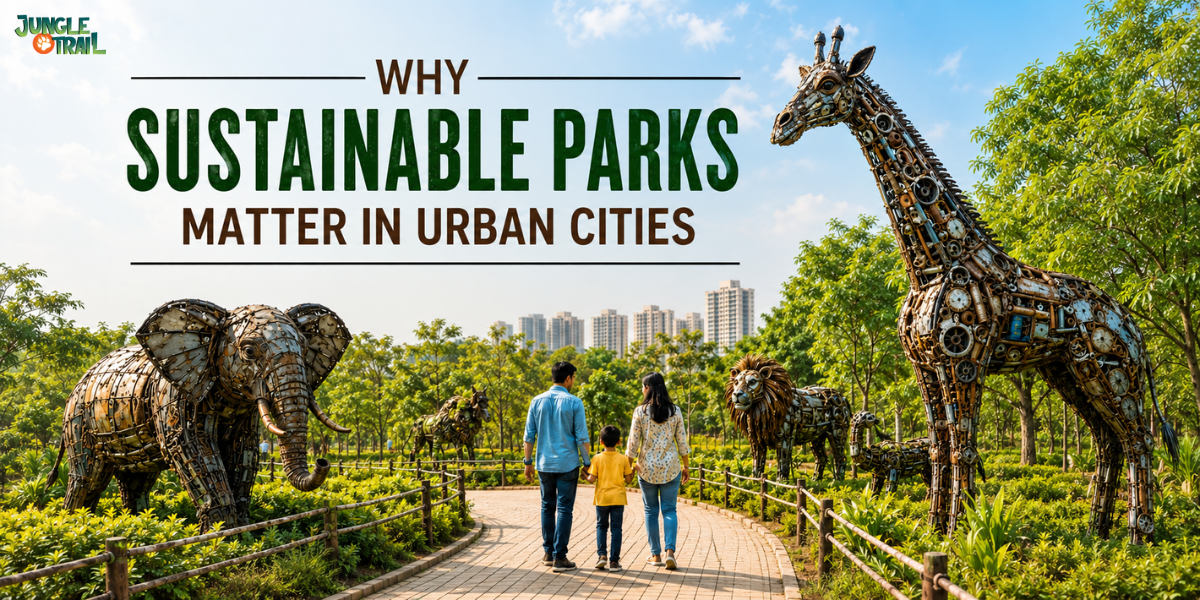
    Today, people look for outdoor spaces that feel engaging, creative, and meaningful. Parks now need to offer experiences that go beyond simple recreation. At Jungle Trail Noida, the experience feels noticeably different from a regular city park. As you walk through the trail, animal sculptures appear naturally throughout the space, creating an environment that feels open, calm, and easy to explore. The layout encourages visitors to observe their surroundings instead of rushing through them.

    The Growing Need for Green Spaces in Urban Areas

    Urban life often becomes repetitive. Most people move between offices, homes, shopping spaces, and traffic every day. Because of this, outdoor environments have become more valuable than ever. Families search for picnic spots where they can spend quality time together. Parents look for safe outdoor activities for children. School groups search for educational outdoor destinations that feel interactive instead of routine.

    Traditional parks still provide greenery, but visitor expectations have changed. People now want experiences that feel immersive and thoughtfully designed. They prefer outdoor environments where the surroundings themselves become part of the experience. This shift is why eco parks and sustainable outdoor spaces are gaining attention in cities like Noida and Delhi NCR.

    What Makes a Park Truly Sustainable?

    What Makes a Park Truly Sustainable?

    A sustainable park is not simply about planting more trees. The real difference lies in how the space is designed and how materials are used within it. Modern sustainable parks often focus on reuse of industrial materials, environmentally conscious design, creative installations, nature-inspired experiences, and long-term public engagement. At Jungle Trail Noida, these ideas become visible throughout the space.

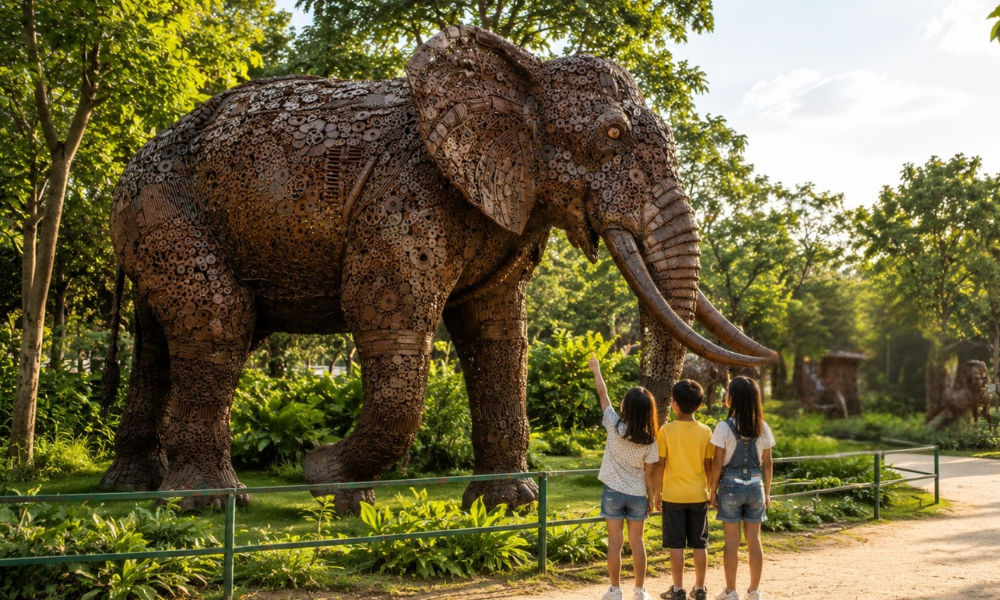
    Large animal sculptures created from industrial scrap blend into the environment naturally. Visitors can still notice the metal textures and reused materials, but the structures feel artistic rather than industrial. This approach changes how people experience the surroundings. Instead of simply walking through a park, visitors begin noticing details, materials, and design choices more carefully.

    Why Sustainable Parks Feel Different From Traditional Parks

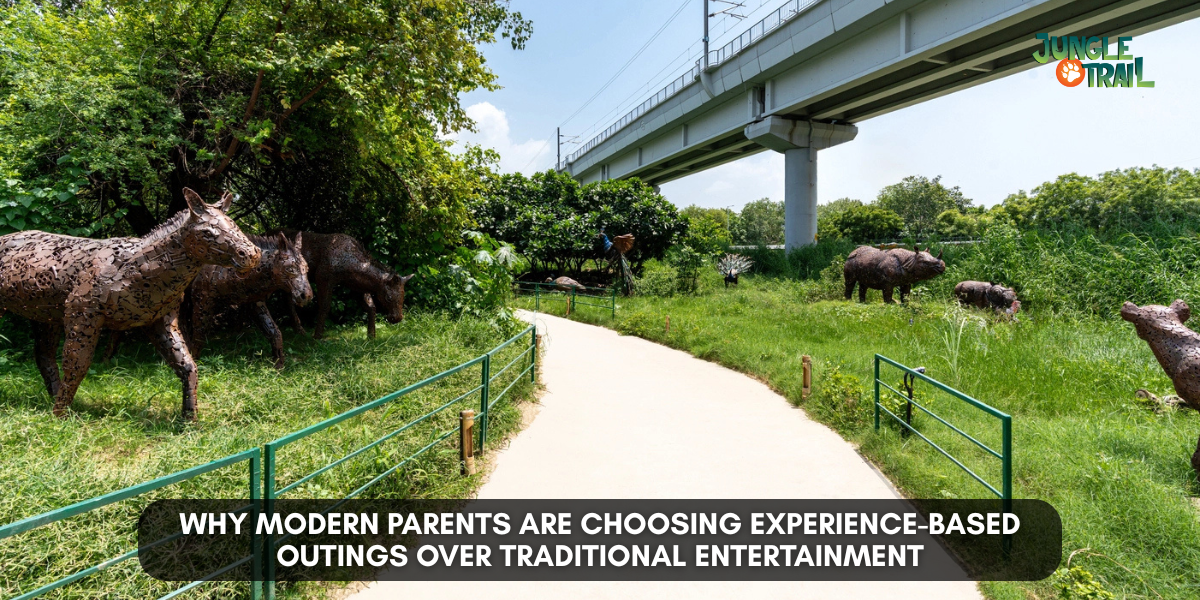
    Most traditional amusement parks focus entirely on entertainment. Bright lights, loud attractions, and fast-paced activities define the experience. Sustainable parks create a very different atmosphere. At Jungle Trail Noida, the environment feels more balanced. Open walking spaces, themed sculptures, and nature-inspired layouts create a slower pace that allows visitors to enjoy the surroundings comfortably.

    The experience does not feel rushed. Instead, the park encourages exploration through observation. Visitors naturally slow down to look more closely at the sculptures, pathways, and installations around them. This calmer atmosphere is one reason why many families now prefer sustainable outdoor spaces over conventional entertainment zones.

    Why Families and Children Connect With These Spaces

    Why Families and Children Connect With These Spaces

    Children usually respond strongly to outdoor environments where they can explore freely. Large sculptures, themed spaces, and open trails naturally hold their attention without requiring constant activities. At Jungle Trail Noida, families often spend time observing the animal sculptures together. Children notice shapes, textures, and scale, while adults appreciate the creativity and structure behind the installations. Because the environment feels spacious and comfortable, families can move through the park at their own pace. This creates a more relaxed outdoor experience compared to crowded indoor entertainment spaces.

    The park also introduces ideas like reuse and sustainability in a very natural way. Children begin understanding how discarded materials can be transformed into something creative simply by observing the sculptures around them.

    How Creative Installations Shape the Visitor Experience

    Creative design plays an important role in modern eco parks. Instead of relying only on landscaping, these spaces use sculptures and installations to shape how visitors move through the environment. At Jungle Trail Noida, the sculptures are placed carefully throughout the trail so that each section feels connected to the next. The arrangement creates a smooth flow without needing excessive directions or signage. Lighting also changes how the sculptures appear during different times of the day.

    As sunlight shifts, shadows move across the metal surfaces, making the same installation look slightly different depending on when it is viewed. These small details help the park feel more immersive and visually layered.

    Why Waste-to-Art Concepts Are Growing in India

    As cities continue expanding, awareness around waste management and sustainable urban planning is increasing as well. Waste-to-art parks represent a growing shift in how public spaces are being designed. Instead of discarding industrial materials completely, these spaces reuse them to create installations that are both functional and visually engaging. At Jungle Trail Noida, this concept becomes visible on a much larger scale.

    Industrial scrap has been transformed into large animal sculptures that now define the identity of the park. This approach allows visitors to experience sustainability in a practical and visual way rather than only reading about it theoretically.

    The Connection Between Sustainable Parks and Urban Well-Being

    The Connection Between Sustainable Parks and Urban Well-Being

    Green spaces have become essential for mental and physical well-being in urban environments. Outdoor spaces allow people to step away from screens, traffic, and indoor routines for a while. Walking through open environments naturally feels more calming than spending long hours inside crowded commercial spaces. Sustainable parks also encourage more meaningful outdoor interactions.

    Families spend time together, children remain active, and visitors become more aware of their surroundings. In growing cities like Noida, these spaces help restore balance between development and nature.

    What Visitors Can Expect at Jungle Trail Noida

    Jungle Trail Noida is best explored slowly. The park works well for families, school groups, photographers, and visitors who simply enjoy spending time outdoors. As you move through the trail, the sculptures gradually reveal more detail the closer you observe them. Some visitors focus on photography, while others simply enjoy the relaxed atmosphere of the space.

    Morning and evening hours are usually the most comfortable times to visit because the weather feels cooler and better suited for walking. The overall environment feels open and approachable, making it suitable for both short visits and longer family outings.

    Frequently Asked Questions

    1. What is a sustainable park?

    A sustainable park is an outdoor space designed using eco-friendly ideas such as material reuse, environmentally conscious planning, and nature-focused experiences.

    2. Why are sustainable parks important in cities like Noida?

    They provide green spaces where people can relax, reconnect with nature, and enjoy outdoor experiences within busy urban environments.

    3. Is Jungle Trail Noida suitable for families?

    Yes, Jungle Trail Noida is family-friendly and suitable for visitors of all age groups.

    4. Can schools organize educational visits here?

    Yes, the park works well for school outings because it combines outdoor exploration, creativity, and environmental awareness.

    5. How is it different from a regular amusement park?

    Unlike a typical amusement park, Jungle Trail Noida combines recreation with sustainability, creative installations, and nature-inspired experiences.

    Final Thoughts

    Sustainable parks are becoming increasingly important in modern urban life because they offer something cities often lack — meaningful outdoor spaces. At Jungle Trail Noida, the experience goes beyond simple recreation. The combination of reused materials, large-scale sculptures, open walking trails, and thoughtful design creates an environment that feels creative, immersive, and easy to connect with.

    The longer visitors spend exploring the park, the more details they begin to notice. What first appears to be a themed outdoor space gradually reveals ideas of reuse, design, and sustainability built into every section of the environment. That gradual shift in perspective is what makes sustainable parks feel more meaningful in growing cities like Noida.


    👉 Plan your visit to Jungle Trail Noida and explore how waste is transformed into art in a space that blends creativity, sustainability, and outdoor experience.

    Jungle Trail

  • Why Modern Parents Are Choosing Experience-Based Outings Over Traditional Entertainment

    Why Modern Parents Are Choosing Experience-Based Outings Over Traditional Entertainment

    Planning a weekend with kids today feels very different from a few years ago. Earlier, families would simply visit a mall or a typical amusement park. But now, parents are actively searching for better options like outdoor activities, nature places, and meaningful experiences for their children—places like Jungle Trail Park Noida that offer something beyond just entertainment.

    So, what changed?

    Why are modern parents moving away from traditional entertainment and choosing something more interactive?

    The answer lies in a shift toward experience-based outings—places where children don’t just have fun but also learn, explore, and grow.

    What Are Experience-Based Outings?

    Experience-based outings are activities or places that go beyond passive entertainment.

    Instead of just rides or screens, they offer:

    • Exploration
    • Interaction
    • Learning through real experiences

    Examples include:

    • Eco parks
    • Jungle parks
    • Picnic parks 
    • Outdoor learning spaces

    These places allow children to engage physically and mentally, making the outing more meaningful.

    Why Traditional Entertainment Is Losing Appeal

    Traditional options like malls or high-energy adventure parks still attract visitors, but they come with limitations.

    • Limited learning value
    • Overcrowded environments
    • Focus only on thrill rides
    • Less family interaction

    Parents are now realizing that while these places are fun, they don’t always add value to a child’s development.

    Why Parents Prefer Experience-Based Outings

    Why Parents Prefer Experience-Based Outings

    1. Real Learning Beyond Classrooms

    Modern parents want their children to learn outside school as well.

    Places like waste to wonder park setups allow kids to:

    • Understand recycling
    • Explore creativity
    • Learn through observation

    This kind of learning feels natural and engaging.

    2. Better Use of Screen-Free Time

    With increasing screen addiction, parents are looking for ways to reduce it.

    Choosing outdoor activities or visiting green parks helps replace screen time with real-world engagement.

    3. Encourages Physical Activity

    Unlike indoor entertainment, outdoor spaces promote movement.

    Walking, exploring, and participating in activities make children more active and healthier.

    This is why many families now prefer family parks over indoor gaming zones.

    4. Stronger Family Bonding

    Experience-based outings are not just for kids—they involve the whole family.

    Instead of sitting separately with devices, families:

    • Walk together
    • Explore together
    • Share experiences

    This creates stronger connections.

    5. Calm and Less Overwhelming Environment

    Crowded amusement park in Noida locations can feel noisy and tiring.

    In contrast, eco parks and leisure parks offer:

    • Open space
    • Relaxed atmosphere
    • Better comfort for all age groups
    How Jungle Trail Noida Fits This Trend

    How Jungle Trail Noida Fits This Trend

    This shift in preference explains the growing popularity of places like Jungle Trail Noida.

    It is not just another jungle trail park noida or a typical outing spot. It combines:

    • Nature
    • Art
    • Outdoor activities
    • Exploration

    As a waste to wonder park, it gives children a chance to see how creativity and sustainability come together.

    What Families Can Expect

    When visiting such places, families experience:

    • Open walking areas instead of crowded zones
    • Activity sections for different age groups
    • Calm surroundings similar to nature places 
    • Opportunities for learning and fun together

    It feels less like a typical ride adventure destination and more like a complete outing.

    Experience-Based Outings vs Traditional Entertainment

    Traditional entertainment like malls or amusement parks mainly focuses on short-term fun, often with crowded spaces and passive activities.

    In contrast, experience-based outings combine learning and fun in open environments where children can explore, stay active, and engage more deeply.

    They also encourage better family interaction, as everyone spends time together instead of individually.

    This is why modern parents are gradually choosing meaningful outdoor experiences over traditional entertainment.

    How Parents Can Make Better Choices

    If you are planning your next outing, ask yourself:

    • Will my child learn something new?
    • Does this encourage activity?
    • Can we spend quality time together?

    If the answer is yes, you are choosing the right experience.

    Final Thoughts

    Modern parenting is evolving, and so are the choices families make. Entertainment is no longer just about rides or screens—it’s about meaningful experiences that combine fun, learning, and connection.

    From eco parks to jungle parks and picnic locations, experience-based outings are becoming the preferred choice for families who want more from their time together.

    These outings not only entertain children but also help them develop curiosity, creativity, and awareness of the world around them.

    Plan Your Next Experience

    If you are planning your next family outing, consider stepping away from routine options and exploring something more engaging.

    Choose a place where your child can learn, explore, and stay active—while you enjoy quality time together as a family.

    Places like Jungle Trail Noida are a great example of how entertainment can be both fun and meaningful at the same time.

    Frequently Asked Questions

    1. What are experience-based outings?

    They are outings that combine fun with learning, exploration, and interaction.

    2. Why are parents moving away from traditional entertainment?

    Because it offers limited learning and often involves crowded, less engaging environments.

    3. Are outdoor activities better for kids?

    Yes, they promote physical activity, creativity, and real-world learning.

    4. What are some examples of experience-based places?

    Eco parks, jungle parks, and outdoor learning spaces are common examples.

    5. Is Jungle Trail Noida an experience-based outing?

    Yes, it combines outdoor activities, creativity, and learning in one space.

    👉Plan your visit to Jungle Trail Noida today and explore a unique eco park that blends creativity, nature, and outdoor activities.

    Jungle Trail

  • From Screens to Green: How Outdoor Learning Helps Children Reduce Screen-Time Addiction

    From Screens to Green: How Outdoor Learning Helps Children Reduce Screen-Time Addiction

    Introduction

    Is your child spending too much time on screens? You’re not alone. Many parents today struggle with managing screen habits while searching for better alternatives like outdoor activities, nature places, or meaningful ways to keep kids engaged.

    But here’s the real question—can outdoor learning actually reduce screen-time addiction?

    Instead of forcing kids to stay away from devices, what if you could replace screen time with something more exciting, engaging, and beneficial?

    That’s where outdoor learning comes in. Unlike indoor routines or passive activities, it offers real-world experiences that naturally pull children away from screens.

    What is Outdoor Learning?

    Outdoor learning is more than just playing outside. It includes structured and unstructured activities that happen in natural environments like eco parks, green parks, or open learning spaces.

    It involves:

    • Exploration
    • Observation
    • Physical activities
    • Creative thinking

    Unlike indoor learning, which often keeps children seated, outdoor learning allows them to move, interact, and experience things directly.

    Why Are Kids Addicted to Screens Today?

    Why Are Kids Addicted to Screens Today?

    Before solving the problem, it’s important to understand it.

    Children are drawn to screens because:

    • Instant entertainment
    • Easy access to games and videos
    • Lack of engaging outdoor alternatives

    When kids don’t have access to outdoor adventure or stimulating environments, screens become their default choice.

    So instead of asking, “How do I stop screen time?”
    Ask this: “What can replace it?”

    How Outdoor Learning Reduces Screen-Time Addiction

    1. Keeps Kids Naturally Engaged

    Outdoor spaces offer endless stimulation.

    Whether it’s exploring a jungle park, observing surroundings, or participating in kids outdoor activities, children stay engaged without needing digital entertainment.

    Unlike screens, nature does not feel repetitive.

    2. Encourages Physical Movement

    Screens promote sitting. Outdoor learning promotes movement.

    Activities like:

    • Walking trails
    • Rope adventure
    • Climbing
    • Open play

    These keep children physically active and reduce their dependence on devices.

    It feels closer to an adventure park experience, but with learning involved.

    3. Builds Curiosity and Creativity

    When children interact with real environments, they start asking questions.

    • Why do leaves fall?
    • How are structures made?
    • What do different shapes represent?

    This kind of curiosity cannot develop through screens alone.

    Outdoor learning spaces, especially waste to wonder park concepts, help children think creatively.

    4. Improves Focus and Mental Health

    Too much screen time can lead to:

    • Reduced attention span
    • Irritability
    • Lack of focus

    Spending time in nature places helps calm the mind and improves concentration.

    That’s why many parents now prefer family parks and outdoor environments over indoor entertainment.

    5. Creates Better Daily Habits

    When outdoor activities become part of routine, screen time naturally decreases.

    Instead of forcing restrictions, you are replacing habits with something better.

    Children start choosing:

    • Playing outside
    • Exploring spaces
    • Engaging in real-world activities

    Over time, screens become less important.

    Outdoor vs Indoor Activities: What Works Better?

    Outdoor vs Indoor Activities: What Works Better?

    Indoor activities are useful, but they often:

    • Limit movement
    • Reduce social interaction
    • Increase screen dependency

    On the other hand, outdoor learning offers:

    • Freedom to explore
    • Physical engagement
    • Real experiences

    It creates a balance between learning and play.

    This is why many parents now look for picnic spots or places for picnics where kids can learn while enjoying.

    Where Can You Experience Outdoor Learning?

    Not every outdoor space offers structured learning.

    You need places that combine:

    • Nature
    • Activities
    • Exploration

    This is where locations like Jungle Trail Noida become relevant.

    It works as:

    Children can move, explore, and engage in activities that naturally reduce screen dependency.

    What to Expect in Outdoor Learning Spaces

    When you visit such places, you will notice:

    • Open areas instead of crowded indoor zones
    • Activity sections for different age groups
    • Walking paths and exploration zones
    • A balance between relaxation and engagement

    It does not feel like a typical amusement park in Noida filled with only thrill rides.

    Instead, it offers a slower, more meaningful experience.

    How Parents Can Encourage Outdoor Learning

    Want to reduce your child’s screen time? Start small.

    • Plan regular visits to picnic parks
    • Choose outdoor activities over screen-based entertainment
    • Set fixed screen limits
    • Replace screen time with exploration time

    Ask yourself:
    Are you removing screens, or replacing them with something better?

    Final Thoughts

    Reducing screen-time addiction is not about strict rules. It’s about offering better alternatives.

    Outdoor learning provides exactly that.

    It combines:

    • Learning
    • Play
    • Physical activity
    • Creativity

    Whether it’s visiting an eco park, exploring a jungle park, or spending time in green parks, these experiences help children reconnect with the real world.

    And once they do, screens slowly lose their control.

    Take the First Step

    Looking for a simple way to reduce screen time?

    Start by introducing your child to outdoor learning spaces like Jungle Trail Noida and explore a healthier, more engaging way of learning and growing.

    Frequently Asked Questions

    1. Can outdoor learning really reduce screen-time addiction?

    Yes, it replaces screen time with engaging real-world activities, reducing dependency naturally.

    2. What are the best outdoor activities for kids?

    Activities like walking, climbing, rope adventure, and exploration are highly effective.

    3. Is outdoor learning better than indoor learning?

    Both are important, but outdoor learning adds physical activity, creativity, and real-life experience.

    4. How often should kids engage in outdoor activities?

    Ideally, children should spend time outdoors daily or at least several times a week.

    5. Where can I take my child for outdoor learning in Noida?

    Places like eco parks, family parks, and Jungle Trail Noida are good options.

    👉Plan your visit to Jungle Trail Noida today and explore a unique eco park that blends creativity, nature, and outdoor activities.

    Jungle Trail
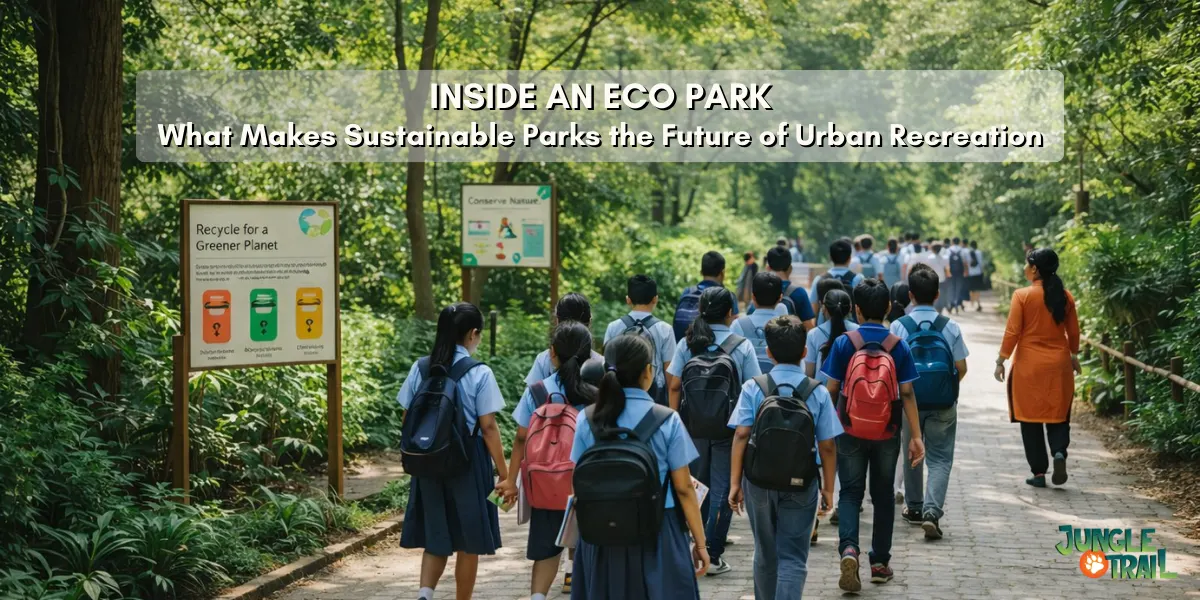
  • Inside an Eco Park: What Makes Sustainable Parks the Future of Urban Recreation

    Inside an Eco Park: What Makes Sustainable Parks the Future of Urban Recreation

    Inside Jungle Trail Noida: A Sustainable Waste-to-Art Eco Park

    Ever walked into a city park and felt… nothing? Just grass, benches, maybe a fountain?
    In a world of screens, traffic, and concrete, don’t we crave something wilder—something that sparks curiosity, creativity, and wonder?
    What if a park could bring art, wildlife, and adventure together, turning ordinary moments into unforgettable experiences?
    And what if every step you took could also teach sustainability, while igniting imagination in kids and adults alike?

    That’s where Jungle Trail Noida comes alive. This waste-to-art eco park blends creativity, nature, and adventure into a single playground—where wildlife-inspired trails meet immersive art, and every corner celebrates the beauty of sustainability.

    Inside Jungle Trail Noida, families and children discover creative art and interactive trails made from recycled materials

    Urban infrastructure keeps expanding, but urban life often feels stuck on fast-forward. Long commutes. Constant notifications. Weekends that disappear before they even begin. Our minds stay switched on, even when our bodies want rest. Is it any surprise that cities sometimes feel more mechanical than human?

    This constant mental fatigue is quietly changing how people look at recreation. Loud amusement parks and ordinary green spaces no longer satisfy. What city dwellers really want are places that calm the mind while still engaging it. Spaces that restore balance, spark curiosity, and make time outdoors feel meaningful.

    That’s exactly where Jungle Trail Noida comes in. Spread across 20 acres, this waste-to-art eco park transforms discarded materials into playful trails, creative installations, and interactive experiences. Nothing feels forced or overbuilt. Every corner encourages movement, imagination, and presence—things that urban life slowly erodes.

    Think about it: when was the last time a park made you feel lighter after leaving? Jungle Trail is designed for that shift. It invites families to slow down, children to explore without screens, and adults to reconnect with something real. Sustainability here isn’t just a message—it’s an experience you carry home with you.

    So why are eco parks becoming the future of urban leisure? How are cities embracing this model? And what makes Jungle Trail a benchmark for sustainable recreation in India?

    This feature explores what makes an eco park special—and why Jungle Trail speaks directly to the modern urban mind.

    The Evolution of Eco Parks: A New Chapter in Urban Recreation

    For decades, city parks served a limited purpose: offering open green spaces for leisure. Today, with climate awareness rising and urban populations growing denser, recreational expectations have transformed. People want spaces that entertain, educate, inspire, and contribute to the environment rather than burden it.

    Eco parks satisfy this demand by integrating sustainability into their design, operations, and visitor experience. From upcycled art installations to renewable-energy lighting to biodiversity education zones, eco parks are no longer passive environments. They are interactive learning landscapes.

    Jungle Trail in Noida represents this evolution at an unprecedented scale—melding waste management innovation, wildlife art, environmental education, and family adventure into a single destination.

    Jungle Trail Noida: India’s Largest Waste-to-Art Eco Park

    Imagine a park where discarded materials come alive as art and wildlife. That’s Jungle Trail in Sector 94, Noida—India’s largest waste-to-art eco park. Every trail, sculpture, and interactive zone turns recycled materials into creative, playful experiences that inspire both children and adults.

    Why Jungle Trail Stands Out

    • Over 500 tonnes of scrap materials transformed into imaginative park features.
    • More than 800 wildlife-inspired sculptures crafted entirely from recycled waste.
    • 20-acre layout divided into themed zones for exploration, play, and learning.
    • A fun, educational, and eco-friendly space for families, schools, and urban explorers.

    Where Art, Nature, and Imagination Meet

    At Jungle Trail, visitors can walk through wildlife sculptures, explore interactive trails, and discover themed habitats—all without harming animals or the environment. Each corner is designed to spark creativity, curiosity, and a love for nature.

    As India’s largest waste-to-art eco park, Jungle Trail is more than a park—it’s a playground for imagination, art, and sustainable fun, showing how urban recreation can be both exciting and responsible.

    Gorilla sculpture made from recycled materials in the Africa zone of Jungle Trail Noida eco park

    Inside the Ecosystems: What You Experience in the Park

    Jungle Trail is designed like a world safari, with each zone offering unique experiences inspired by different continents and ecosystems. The park combines creativity, sustainability, and adventure, turning recycled materials into stunning sculptures and interactive spaces.

    Zone 1: Visitor Amenities & Facilities

    Everything you need for a comfortable day out:

    • Event Space – Perfect for workshops, meetups, and programs.
    • Amphitheater – Open-air stage for shows and performances.
    • Sports Arena – Space for games and physical activities.
    • Parking – Ample and convenient.
    • Toilets – Clean and accessible.

    Zone 2: Australia & Asia – Wildlife & Habitats

    Explore the wildlife and ecosystems of Australia and Asia:

    • Sculptures and installations made from recycled materials.
    • Lifelike representations of animals and habitats.
    • Opportunities to learn about biodiversity in a creative way.

    Zone 3: Aquazone – Europe, Alaska & Serbia

    A water-themed zone with fun and relaxation:

    • Aquazone – Water-inspired trails and sculptures.
    • Jungle Cafe – Take a break and enjoy refreshments.
    • Parking & Toilets – Convenient facilities for visitors.
    • Emergency Exits – Safety and accessibility.

    Zone 4: Africa & America – Adventure & Exploration

    Discover wildlife and ecosystems from Africa and the Americas while enjoying active experiences:

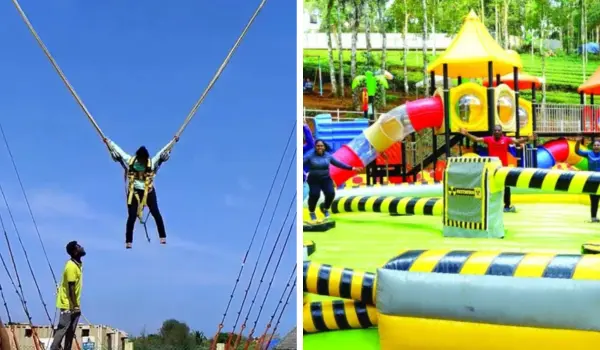
    • Adventure Sports – Rope courses, climbing, and more.
    • Emergency Exits – Designed for safety.
    • Toilets – Clean, accessible facilities.

    Amenities Designed for Comfort, Learning, and Community

    Jungle Trail is not simply a sculpture park; it has been master-planned to serve families, schools, tourists, and recreational seekers.

    Key Amenities

    • Entry plaza with parking capacity for over 300 vehicles
    • A 1,000-seat amphitheatre, ideal for cultural events, school programs, and environmental workshops
    • Shaded picnic areas built from recycled materials
    • Children’s play zones, integrating safe and creative designs
    • A multi-cuisine food court offering refreshments for long visits
    • Souvenir and exhibition spaces, promoting local artists and environmental crafts
    • Eco-friendly lighting systems, enabling safe night-time exploration
    • Planned night safari experience, creating a new nighttime recreational format for Noida

    Every space follows green design principles and enhances visitor experience without compromising the park’s sustainability ethos.

    Visitors enjoying hands-on activities and discovering creative, sustainable art at Jungle Trail Noida

    The Activities Zone: Recreation Powered by Adventure

    To complement the educational and artistic experience, Jungle Trail includes an adventure activity area offering safe, supervised recreational challenges suitable for all ages.

    Full Activity List with Pricing

    • Rocket Ejector – ₹250
    • Archery – ₹100
    • Long Boating – ₹500 (30 minutes)
    • Pressure Rocket – ₹200
    • Melt Down – ₹100
    • Sport Climbing – ₹100 per climb
    • Bull Ride – ₹100
    • Water Roller – ₹200 (15 minutes)
    • Boating – ₹200 (10 minutes)

    These activities make Jungle Trail a complete one-day destination that blends recreation with learning, perfect for families, corporate groups, and school excursions.

    Sustainability at Scale: Why This Park Matters

    Jungle Trail stands as a model for sustainable development due to its scale of recycling, education, and environmental storytelling.

    Upcycling 500+ Tonnes of Scrap

    Instead of allowing industrial metal waste to populate landfills, the project repurposes discarded parts into functional and artistic structures. This reduces carbon footprint, lowers raw material demand, and sets a national example for circular economy principles.

    Reduced Carbon Emissions

    Every sculpture built from recycled metal avoids the emissions associated with manufacturing new materials. The park also reduces transport emissions by sourcing local scrap.

    Environmental Education

    For children, students, and families, Jungle Trail functions as a living classroom where ecological awareness becomes a hands-on experience rather than a textbook chapter.

    No Real Animals Used

    Unlike traditional zoos, the park promotes wildlife appreciation through art rather than captivity.

    Visionaries Behind Jungle Trail: Zing Parks by Z-Tech Initiative

    The creation of Jungle Trail was led by Zing Parks / Z-Tech Initiative and its sustainability-driven brand, a pioneer in developing waste-to-art theme parks across India.

    Their Notable Projects Include:

    • Dinosaur Park
    • Waste to Wonder Park
    • UP Darshan Park
    • Multiple eco-art installations across Delhi NCR, Lucknow, and Prayagraj

    Zing Parks combines engineering, artistry, and environmental design to build large-scale installations that stimulate imagination while promoting sustainability. The company is recognized as one of India’s leading innovators in upcycled park design.

    Why Eco Parks Like Jungle Trail Are the Future of Urban Recreation

    Eco parks serve urgent global and social needs:

    1. Rising Environmental Awareness

    Cities must balance recreation with sustainability. Eco parks offer both.

    2. Family-Friendly Education

    Parents increasingly prefer spaces where children learn through experience. Jungle Trail offers immersive environmental learning.

    3. A Shift from Passive to Experiential Tourism

    Visitors seek interactive, story-driven environments. Eco parks deliver exactly that through experiential ecosystems.

    4. Sustainability as a Standard, Not a Trend

    Urban planning worldwide is moving toward low-waste and eco-positive development. Jungle Trail represents how future parks will be built.

    5. Health and Wellness Benefits

    Ample outdoor space, fresh air, walking trails, and activity zones encourage movement—a significant value in dense cities.

    The Waste-to-Art Jungle Trail: A Reimagined Zoo for the Modern City

    Instead of animals behind enclosures, Jungle Trail celebrates the spirit of wildlife through art, engineering, and imagination. Every sculpture tells a story: about the planet, about reuse, about innovation, and about our responsibility to protect nature.

    This is not merely a park. It is a vision—a future model for city recreation. Jungle Trail demonstrates that sustainability can be spectacular, educational, and deeply enjoyable.

    Frequently Asked Questions:

    1. What Defines Jungle Trail as an Eco Park and How Is It Different from Regular Parks?

    Jungle Trail is classified as an eco park because it is built on sustainability-driven design principles, using over 500 tonnes of repurposed industrial scrap to create more than 800 wildlife sculptures and themed installations. Unlike traditional parks, Jungle Trail prioritizes environmental education, upcycling, conservation awareness, and immersive ecosystem storytelling rather than basic recreation or passive green space.

    2. What Attractions and Ecosystem Zones Can Visitors Explore Inside Jungle Trail?

    Visitors can experience a world-through-art journey across multiple global ecosystems, including deserts, wetlands, forests, polar regions, Asian jungles, and a prehistoric dinosaur zone. The park features lifelike sculptures crafted from metal waste, thematic landscapes, shaded picnic areas, a food court, play zones, boating, activity areas, an amphitheatre, and eco-friendly lighting for evening exploration.

    3. Does Jungle Trail Offer Activities for Children and Families?

    Yes. Jungle Trail includes a comprehensive adventure zone with safe, supervised activities suitable for all ages. Popular offerings include Rocket Ejector, Archery, Sport Climbing, Bull Ride, Water Roller, Boating, Long Boating, Pressure Rocket, and Melt Down. These experiences make the park ideal for families, school groups, and recreational outings.

    4. Why Are Eco Parks Becoming the Preferred Choice for Urban Recreation?

    Eco parks provide more meaningful and sustainable recreational experiences by blending creativity, environmental awareness, and outdoor activity. As cities become more congested, families increasingly prefer destinations that offer learning, nature immersion, and health benefits rather than purely commercial amusement parks. Eco parks also support climate goals by reducing waste, promoting biodiversity education, and fostering community engagement.

    5. Who Developed Jungle Trail and What Sustainability Vision Guides the Park?

    Jungle Trail is developed through a Public-Private Partnership between Noida Authority and Z-Tech (Zing Parks), a pioneer in waste-to-art theme parks across India. The vision behind Jungle Trail is to transform discarded materials into immersive learning environments, promote sustainability on a large scale, and inspire communities to adopt responsible environmental practices.

    Conclusion: Redefining Urban Recreation with Sustainability

    The future of urban recreation won’t be shaped by concrete and steel alone. It will be driven by intention, imagination, and responsibility. As cities grow faster and greener spaces shrink, one question becomes impossible to ignore—can progress exist without costing the planet? Jungle Trail answers with a quiet but confident yes.

    Jungle Trail doesn’t just entertain people. It moves them. By transforming discarded materials into enticing, hands-on adventures, it gives waste a second life and purpose. Walk the paths. Touch the structures. Feel the difference. Sustainability here isn’t a theory—it’s an experience you carry with you.

    These aren’t just parks you visit and forget. They are spaces that stay with you. They bring families closer to nature, spark curiosity in children, and gently remind adults of what we’ve been missing. In a time of climate anxiety and everyday burnout, isn’t joy with meaning exactly what cities need?

    As urban lifestyles continue to evolve, Jungle Trail raises the bar. It proves recreation can restore rather than exploit, and entertainment can leave something behind worth remembering.

    If you’re looking for a city escape that feels grounded, thoughtful, and genuinely refreshing, Jungle Trail is worth experiencing