Table of Contents
Can Waste Shape the Cities of Tomorrow?
As cities continue to grow, one challenge is becoming impossible to ignore — waste management. Urban areas generate massive amounts of discarded materials every day while also struggling to create greener and more meaningful public spaces for people. This is where waste-to-art concepts are becoming increasingly important.
Instead of treating waste only as a problem, modern cities are beginning to explore how discarded materials can be reused creatively to build engaging, educational, and environmentally conscious spaces. Destinations like Jungle Trail Noida reflect this evolving idea perfectly. More than just a recreational park, it represents how creativity, sustainability, and public engagement can come together to shape the future of urban spaces.

What Is Waste-to-Art?
Waste-to-art is the process of transforming discarded or recycled materials into creative installations, sculptures, and public spaces. The concept became widely recognized through projects similar to Waste to Wonder Park, where scrap materials were turned into visually impressive structures. Today, however, the idea has evolved far beyond monuments and artistic displays.
Modern waste-to-art concepts are now being integrated into public parks, recreational spaces, educational environments, urban leisure destinations, and eco-conscious tourism projects. These spaces combine creativity with environmental awareness, helping visitors understand sustainability in a more engaging and practical way.
Why Waste-to-Art Matters for Future Cities
Future cities cannot rely only on traditional urban planning. As populations grow, cities will need smarter ways to manage waste while improving public spaces at the same time. Waste-to-art concepts help address both challenges together.
They support creative reuse of materials, reduction of landfill waste, eco-conscious public design, community engagement, and environmental awareness. Instead of allowing waste to accumulate unnoticed, these concepts transform it into something meaningful and visually impactful. This shift changes the way people think about sustainability because recycling stops feeling abstract and becomes something people can physically experience and interact with.
How Jungle Trail Noida Reflects This Vision
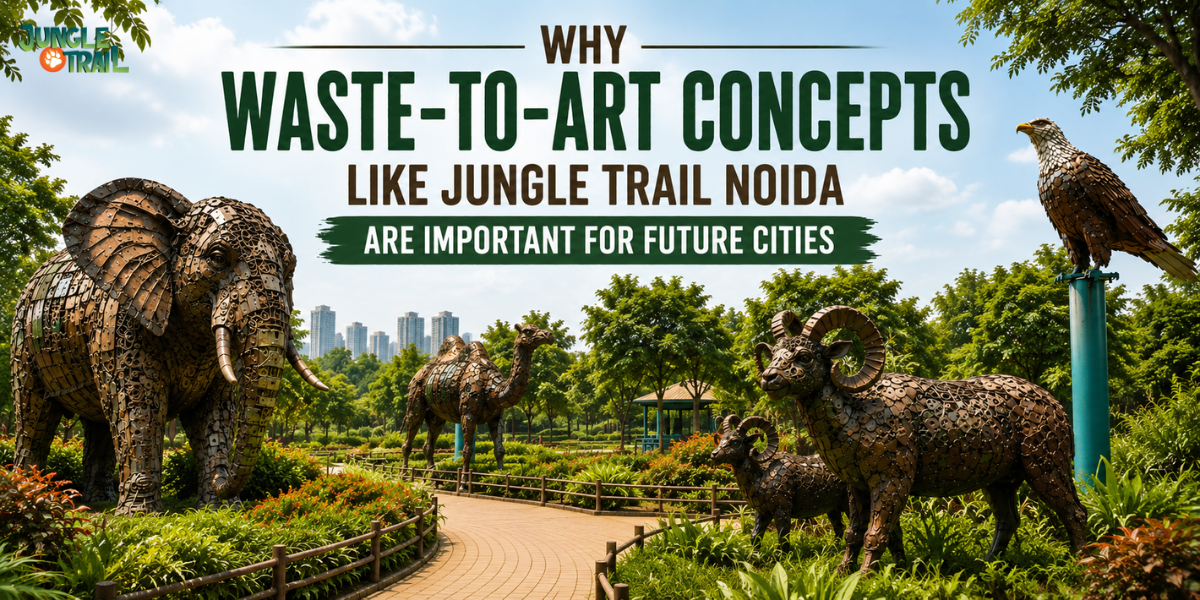
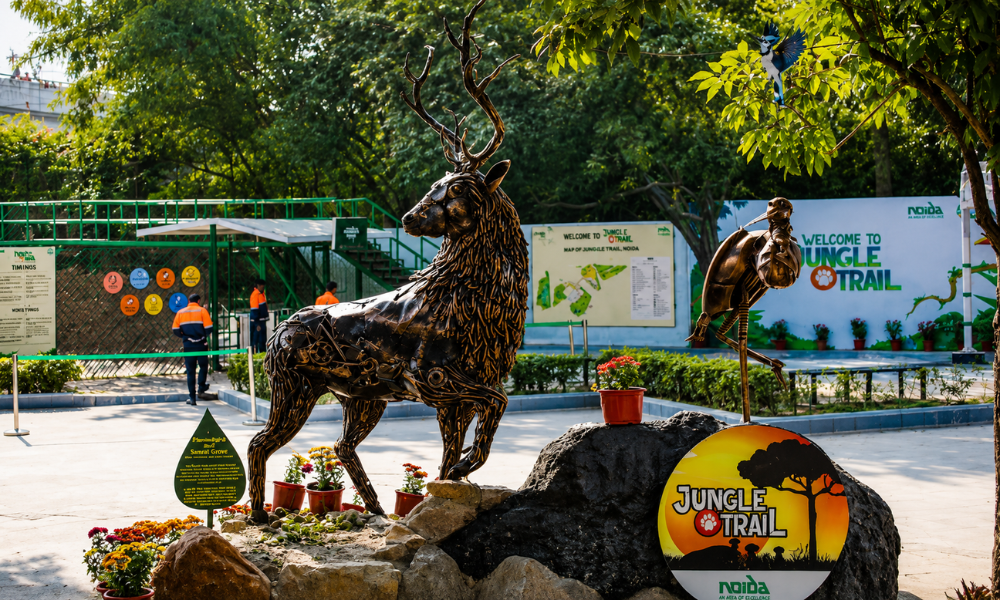
At Jungle Trail Noida, creative design and environmental awareness work together to create an immersive outdoor experience. The park includes themed installations, animal sculptures, nature-inspired environments, and creatively designed outdoor spaces.
Rather than focusing only on entertainment, the park encourages visitors to observe and think about how design, creativity, and sustainability can coexist. The atmosphere feels more meaningful than a typical entertainment venue because the environment itself becomes part of the message. Visitors do not simply walk through the park — they experience a space designed around creativity, reuse, and exploration.
Making Sustainability More Visible
One of the biggest challenges in promoting sustainability is that many environmental issues feel invisible in everyday life. People hear about recycling, waste reduction, eco-conscious living, and sustainable development but rarely experience these ideas directly.
Waste-to-art concepts solve this problem by making sustainability visible and interactive. At Jungle Trail Noida, creative installations reflect reuse and design while eco-conscious elements become part of the environment itself. Visitors engage with sustainability naturally through exploration, making environmental awareness feel more practical, relatable, and memorable.
Instead of reading about sustainability on signs or posters, visitors experience it through the space itself.
Why Outdoor Experiences Make a Bigger Impact
People connect more deeply with ideas when they experience them physically rather than simply hearing about them. That is why outdoor recreational spaces are becoming powerful tools for awareness and engagement.
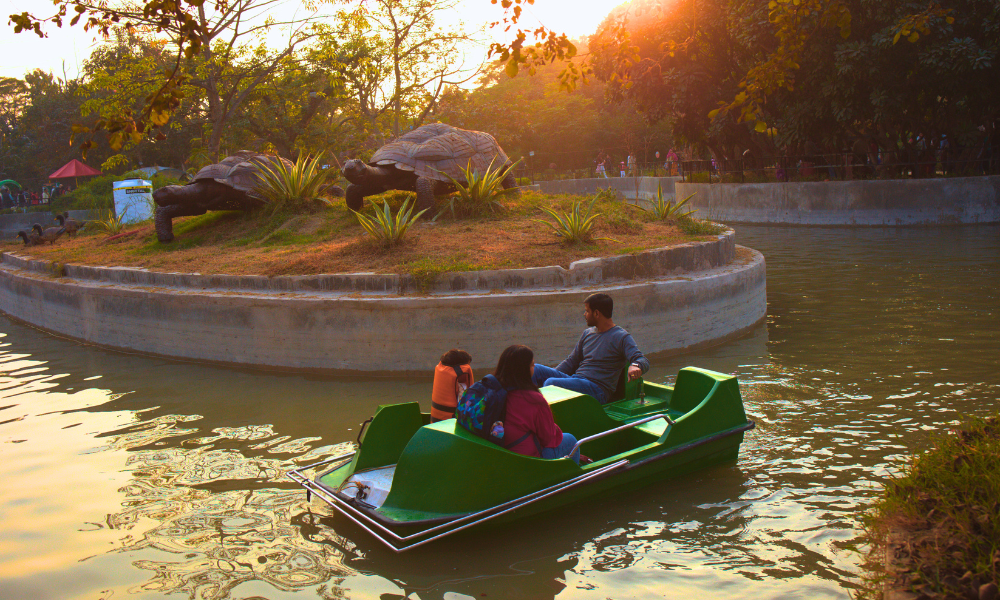
At Jungle Trail Noida, visitors can explore immersive outdoor pathways, interact with themed environments, enjoy adventure activities, and spend time in nature-inspired surroundings. This combination of recreation and awareness creates stronger emotional engagement. Outdoor experiences naturally encourage observation and curiosity, helping visitors connect more personally with environmental ideas.
Inspiring Children Through Creative Spaces
Children are especially influenced by the environments they grow up experiencing. Parks designed around sustainability and creativity help children understand the importance of reuse, connect with nature, develop curiosity, and learn through exploration.
As an educational outdoor destination, Jungle Trail Noida introduces environmental awareness in a way that feels interactive rather than instructional. Children experience creative storytelling through installations, nature-inspired exploration, eco-conscious design elements, and interactive outdoor learning.
This makes the park suitable for school trips, educational tourism, family learning experiences, and group educational outings. Learning becomes more effective because children engage with ideas naturally through observation and exploration.
Redefining Family Recreation
Modern families increasingly look for experiences that feel meaningful rather than purely commercial. Instead of spending weekends only inside malls or indoor entertainment centers, many families now prefer outdoor destinations that combine recreation, creativity, nature, exploration, and educational value.
At Jungle Trail Noida, children enjoy outdoor activities while adults engage with creative environments and families explore spaces together. This creates a more balanced and memorable outing compared to routine entertainment experiences. Even simple family visits become more meaningful when the environment encourages curiosity and interaction.
Waste-to-Art and Urban Planning
Future urban planning will require cities to think beyond traditional infrastructure. Public spaces of the future must support sustainability, improve environmental awareness, encourage community interaction, and create healthier urban environments.
Waste-to-art concepts offer a practical solution because they combine functionality with creativity. Instead of building generic recreational spaces, cities can create immersive environments that reduce waste, improve aesthetics, educate visitors, and encourage responsible behavior.
Spaces like Jungle Trail Noida demonstrate how urban recreation can become both environmentally conscious and socially engaging at the same time.
Supporting Sustainable Tourism in India
Sustainable tourism is becoming increasingly important across India. While many people associate eco-tourism with forests or remote destinations, urban spaces also play an important role in promoting responsible tourism practices.
Creative outdoor parks contribute by encouraging eco-conscious thinking, offering meaningful visitor experiences, reducing reliance on purely commercial entertainment, and creating awareness through public interaction. For visitors searching for things to do in Noida, destinations like Jungle Trail Noida offer an experience that feels more thoughtful and engaging than routine entertainment spaces.
The Future of Adventure and Recreation Parks
Modern recreational parks are evolving rapidly. Today’s visitors want more than just rides and attractions. They prefer spaces that combine entertainment, creativity, awareness, exploration, and emotional connection.
At Jungle Trail Noida, adventure activities add excitement, themed installations create immersion, outdoor environments encourage reflection, and sustainability becomes part of the experience. This balance between fun and awareness reflects the direction many future recreational spaces are likely to take.
Creating Urban Oases for Future Cities
As cities become denser and more digitally connected, the demand for peaceful and meaningful public spaces will continue increasing. Waste-to-art parks help create urban oases where people can relax outdoors, reconnect with nature, explore creative environments, and experience sustainability in a practical way.
Unlike traditional amusement parks that focus mainly on commercial entertainment, these spaces offer a deeper emotional and educational experience. They help cities become not only more modern but also more thoughtful and environmentally responsible.
FAQs
1. What is a waste-to-art concept?
Waste-to-art refers to transforming discarded or recycled materials into creative installations, sculptures, and meaningful public spaces.
2. Why are waste-to-art concepts important for future cities?
They help reduce waste, promote sustainability, improve public spaces, and encourage environmental awareness.
3. How does Jungle Trail Noida use this concept?
Jungle Trail Noida incorporates creative installations, themed spaces, and eco-conscious design elements to create an immersive and awareness-driven environment.
4. Is Jungle Trail Noida suitable for children?
Yes, it works well as an educational outdoor destination where children can learn through exploration and interactive experiences.
5. How is it different from a regular amusement park?
Unlike traditional amusement parks, Jungle Trail Noida focuses on creativity, sustainability, outdoor exploration, and meaningful engagement.
Final Thought
The cities of the future cannot rely only on old ideas of development and recreation. They need spaces that are creative, sustainable, and emotionally meaningful for the people who use them.
Waste-to-art concepts provide a powerful solution by transforming discarded materials into environments that inspire curiosity, awareness, and connection. Places like Jungle Trail Noida show how recreational spaces can do more than entertain — they can help shape a more thoughtful and sustainable future for urban life.