
Tag: sustainable parks

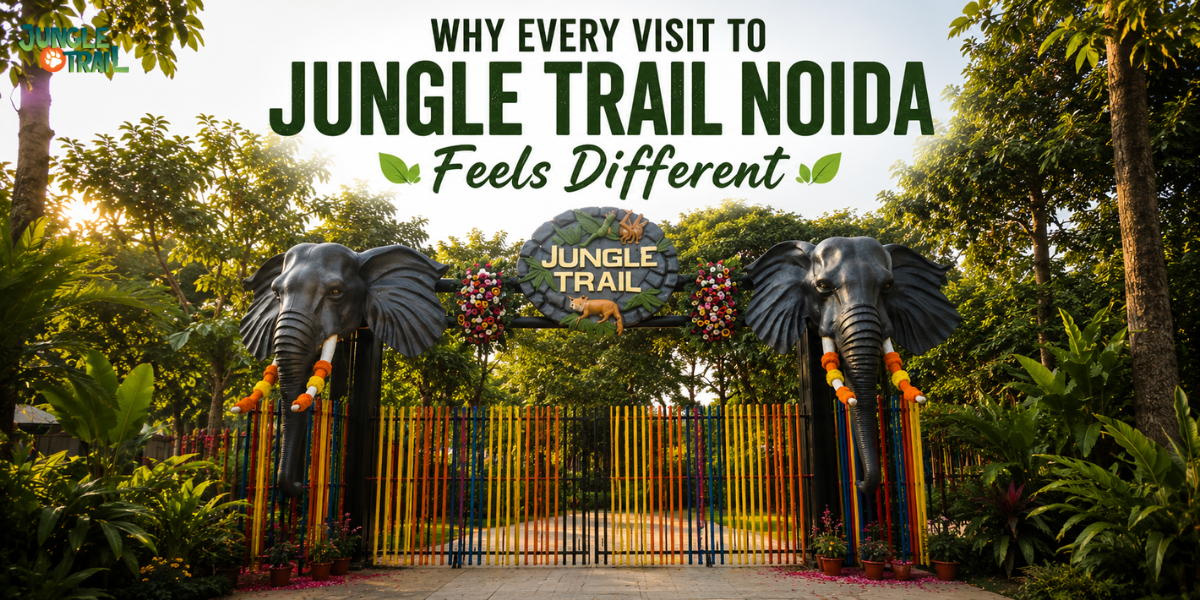
  • Why Every Visit to Jungle Trail Noida Feels Different

    Why Every Visit to Jungle Trail Noida Feels Different

    Have You Ever Revisited a Place That Felt New Again?

    Most outings follow a predictable pattern. A typical amusement park or mall usually offers the same layout, the same attractions, and the same routine every time. After one or two visits, the experience often starts feeling repetitive.

    But some spaces are designed differently.

    Places like Jungle Trail Noida stand out because they focus less on repetition and more on exploration. Instead of offering a fixed experience, the park creates an environment where every visit feels slightly different depending on how you explore it, who you visit with, and what kind of experience you are looking for that day.

    Designed for Exploration Instead of Routine

    Designed for Exploration Instead of Routine

    Most recreational parks guide visitors through a structured sequence of attractions. Once you complete the route, there is very little left to discover. Jungle Trail Noida feels different because it encourages free exploration rather than a fixed path.

    The layout feels more like a jungle-inspired outdoor environment than a traditional entertainment venue. Visitors can choose their own pace, explore different zones, stop wherever they find something interesting, and experience the park differently each time.

    One visit may feel adventurous and activity-focused, while another may feel calm, relaxed, and nature-oriented. This flexibility naturally creates variety.

    The Outdoor Environment Constantly Changes

    Unlike indoor entertainment spaces, outdoor environments are never static. Weather, sunlight, seasons, and even the time of day can completely change how a place feels.

    At Jungle Trail Noida, shaded pathways feel peaceful during the morning, while evenings create a more energetic and social atmosphere. Open spaces, greenery, and natural surroundings continuously shift the mood of the environment.

    This makes the park feel less like a traditional eco park and more like a living outdoor experience that evolves naturally over time.

    Variety Keeps the Experience Fresh

    Repetition usually happens when a place offers limited activities. Jungle Trail Noida avoids this by combining multiple experiences within one environment.

    Visitors can enjoy rope adventure zones, outdoor activities, walking trails, interactive spaces, scenic areas, and playful environments designed for children. Some visitors may spend most of their time exploring activity zones, while others may simply enjoy slow outdoor walks and relaxation.

    Even the same visitor may choose a completely different experience during another visit. That freedom keeps the environment engaging.

    Small Details Become More Noticeable Over Time

    Small Details Become More Noticeable Over Time

    The most memorable spaces are often layered with thoughtful details. At Jungle Trail Noida, creative installations, animal sculptures, themed environments, and artistic design elements are spread throughout the park.

    During the first visit, most people notice the overall atmosphere and major attractions. But on later visits, smaller details begin to stand out — subtle artistic touches, hidden design elements, storytelling through installations, and creative environmental themes.

    This gradual discovery adds depth and keeps the park from feeling repetitive.

    A Space That Matches Different Moods

    Not every outing needs to feel the same. Some days people want excitement and activity, while other days they simply want calm outdoor time with family or friends.

    One of the reasons recreational parks for families are becoming increasingly popular is because they allow visitors to shape their own experience. At Jungle Trail Noida, families can enjoy active outdoor adventures, groups can participate in shared activities, and individuals can simply enjoy nature-inspired surroundings at a slower pace.

    Because the environment adapts to different moods and purposes, each visit naturally feels unique.

    Picnics Feel Different Every Time

    A picnic experience is shaped not only by the location but also by the atmosphere around it. People searching for places for picnics increasingly prefer spaces that offer more than open seating areas.

    At Jungle Trail Noida, the surroundings themselves create variety. One visit may feel peaceful and relaxing, while another may turn into a more active day filled with outdoor exploration and group activities. The combination of greenery, adventure spaces, and creative environments keeps family outings from feeling routine.

    Perfect for Families, Children, and Groups

    A place often becomes repetitive when it caters to only one type of visitor. Jungle Trail Noida stays dynamic because different groups experience it differently.

    It functions as a family park where parents and children can spend time together, while also working as a kids park filled with engaging outdoor experiences. School groups, educational tours, families, and friend groups all bring different energy into the environment.

    Children explore differently during every visit, families create new moments together, and group experiences constantly change the atmosphere of the space.

    Learning Adds Another Layer to the Experience

    Learning Adds Another Layer to the Experience

    Places become more memorable when they combine entertainment with learning. As an educational park for kids, Jungle Trail Noida integrates eco-conscious design, themed habitat zones, and creative storytelling through installations.

    Inspired by ideas similar to Waste to Wonder Park, the park encourages visitors to think about sustainability, creativity, and environmental awareness in a more engaging way.

    Every visit can reveal a new detail, perspective, or observation, making the experience feel richer over time.

    Balancing Adventure With Relaxation

    Some amusement parks focus only on thrill and excitement, while others focus entirely on calm outdoor recreation. Jungle Trail Noida combines both experiences within one environment.

    Adventure zones and activity areas add energy and excitement, while open green spaces and shaded surroundings create opportunities for relaxation. This balance allows visitors to experience the park differently depending on what they want from the day.

    That combination prevents the environment from feeling one-dimensional or repetitive.

    A Different Perspective Every Time

    Sometimes the reason a place feels new is not because the place changes, but because the visitor changes.

    Children grow older and explore differently. Families create new experiences together. Visitors notice details they missed before. Over time, the same pathways, installations, and outdoor environments begin to feel different because the perspective of the visitor evolves.

    Jungle Trail Noida supports this kind of evolving experience naturally.

    Redefining Things to Do in Noida

    When people search for things to do in Noida today, they increasingly look beyond routine entertainment. Instead of repetitive indoor experiences, families and groups now prefer outdoor fun parks, immersive environments, and meaningful recreational spaces.

    Among these destinations, Jungle Trail Noida stands out because it combines exploration, creativity, outdoor activity, and environmental storytelling into one experience.

    Why People Keep Coming Back

    People revisit certain places because those spaces continue offering something new each time. Jungle Trail Noida achieves this by encouraging open exploration, combining varied activities, and creating a strong connection between visitors and the environment around them.

    The park reflects modern preferences for eco-friendly family outings, outdoor adventure, and meaningful recreational experiences. Instead of relying only on attractions, it creates emotional engagement through creativity, nature, and exploration.

    That is what keeps every visit feeling fresh.

    FAQ

    1. Why does every visit to Jungle Trail Noida feel different?

    Jungle Trail Noida combines open exploration, varied activities, changing outdoor environments, and creative spaces that create a unique experience during every visit.

    2. Is it suitable for families?

    Yes, it is designed as a family-friendly outdoor park with activities and experiences for different age groups.

    3. Can schools organize educational trips here?

    Yes, Jungle Trail Noida works well as an educational outdoor destination for school visits and group learning experiences.

    4. What activities are available?

    Visitors can enjoy rope adventure activities, outdoor exploration, scenic walking areas, themed installations, and nature-inspired recreational spaces.

    5. How is it different from a traditional amusement park?

    Unlike regular amusement parks, Jungle Trail Noida focuses more on exploration, creativity, outdoor engagement, and meaningful experiences connected with nature.

    Final Thought

    Some places are designed to be visited once. Others are designed to be experienced again and again.

    Jungle Trail Noida belongs to the second category — a place where exploration, creativity, nature, and outdoor experiences come together in a way that makes every visit feel new, refreshing, and memorable.

    👉 Plan your visit to Jungle Trail Noida and explore how waste is transformed into art in a space that blends creativity, sustainability, and outdoor experience.

    Jungle Trail
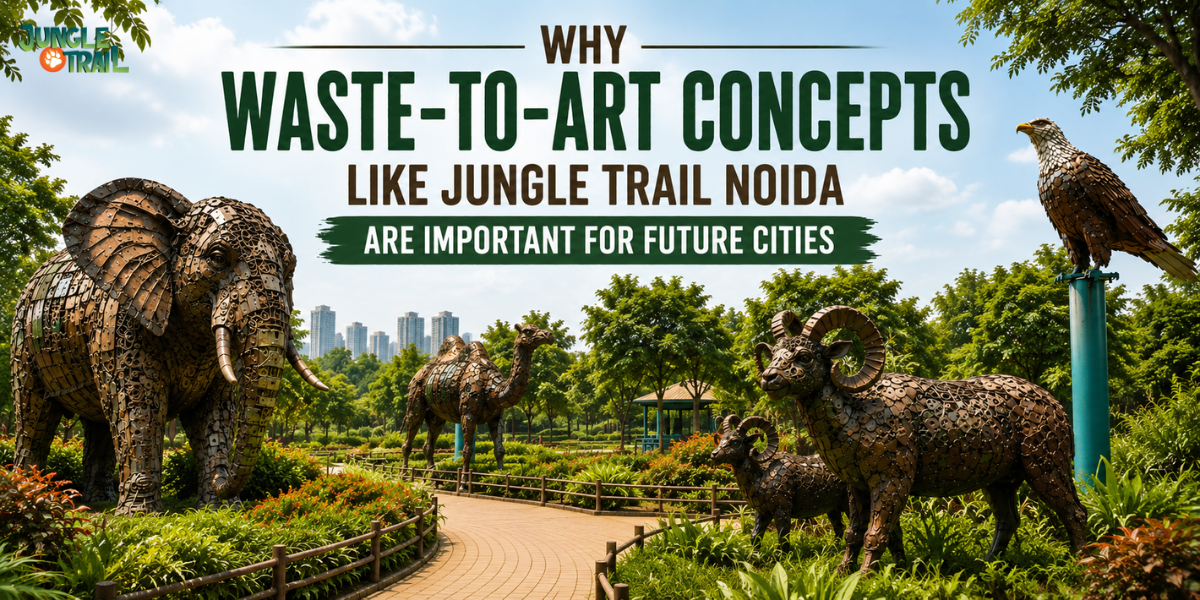
  • Why Waste-to-Art Concepts Like Jungle Trail Noida Are Important for Future Cities

    Why Waste-to-Art Concepts Like Jungle Trail Noida Are Important for Future Cities

    Can Waste Shape the Cities of Tomorrow?

    As cities continue to grow, one challenge is becoming impossible to ignore — waste management. Urban areas generate massive amounts of discarded materials every day while also struggling to create greener and more meaningful public spaces for people. This is where waste-to-art concepts are becoming increasingly important.

    Instead of treating waste only as a problem, modern cities are beginning to explore how discarded materials can be reused creatively to build engaging, educational, and environmentally conscious spaces. Destinations like Jungle Trail Noida reflect this evolving idea perfectly. More than just a recreational park, it represents how creativity, sustainability, and public engagement can come together to shape the future of urban spaces.

    What Is Waste-to-Art?
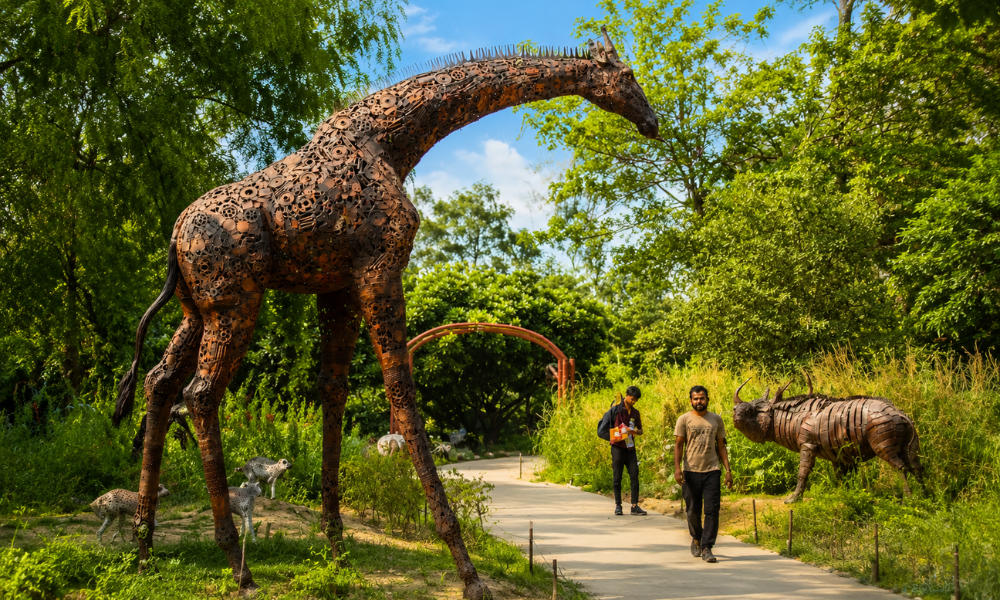
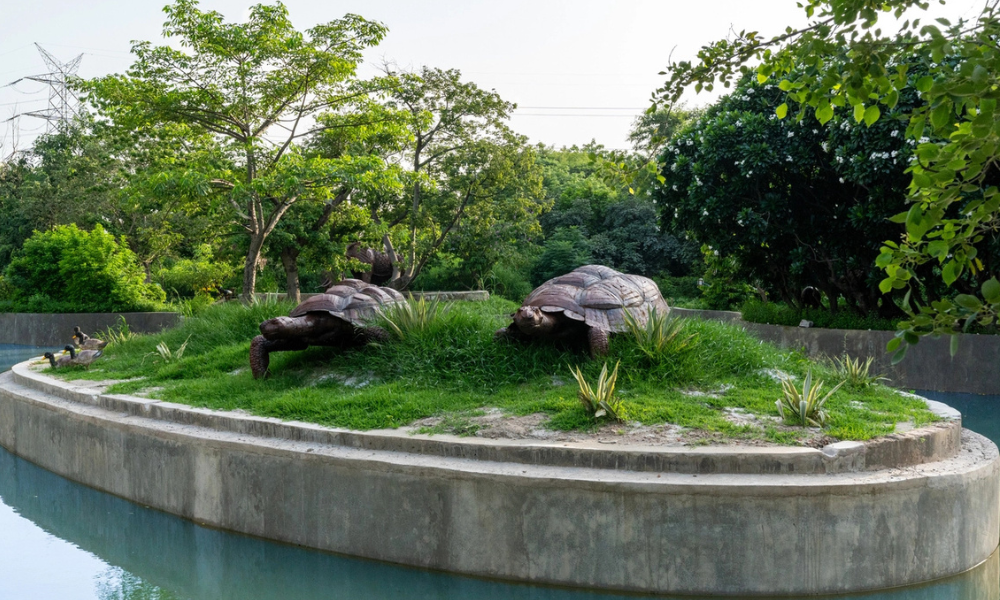
    Where creativity meets the wild — stunning waste-to-art sculptures.

    What Is Waste-to-Art?

    Waste-to-art is the process of transforming discarded or recycled materials into creative installations, sculptures, and public spaces. The concept became widely recognized through projects similar to Waste to Wonder Park, where scrap materials were turned into visually impressive structures. Today, however, the idea has evolved far beyond monuments and artistic displays.

    Modern waste-to-art concepts are now being integrated into public parks, recreational spaces, educational environments, urban leisure destinations, and eco-conscious tourism projects. These spaces combine creativity with environmental awareness, helping visitors understand sustainability in a more engaging and practical way.

    Why Waste-to-Art Matters for Future Cities

    Future cities cannot rely only on traditional urban planning. As populations grow, cities will need smarter ways to manage waste while improving public spaces at the same time. Waste-to-art concepts help address both challenges together.

    They support creative reuse of materials, reduction of landfill waste, eco-conscious public design, community engagement, and environmental awareness. Instead of allowing waste to accumulate unnoticed, these concepts transform it into something meaningful and visually impactful. This shift changes the way people think about sustainability because recycling stops feeling abstract and becomes something people can physically experience and interact with.

    How Jungle Trail Noida Reflects This Vision

    At Jungle Trail Noida, creative design and environmental awareness work together to create an immersive outdoor experience. The park includes themed installations, animal sculptures, nature-inspired environments, and creatively designed outdoor spaces.

    Rather than focusing only on entertainment, the park encourages visitors to observe and think about how design, creativity, and sustainability can coexist. The atmosphere feels more meaningful than a typical entertainment venue because the environment itself becomes part of the message. Visitors do not simply walk through the park — they experience a space designed around creativity, reuse, and exploration.

    Making Sustainability More Visible

    One of the biggest challenges in promoting sustainability is that many environmental issues feel invisible in everyday life. People hear about recycling, waste reduction, eco-conscious living, and sustainable development but rarely experience these ideas directly.

    Waste-to-art concepts solve this problem by making sustainability visible and interactive. At Jungle Trail Noida, creative installations reflect reuse and design while eco-conscious elements become part of the environment itself. Visitors engage with sustainability naturally through exploration, making environmental awareness feel more practical, relatable, and memorable.

    Instead of reading about sustainability on signs or posters, visitors experience it through the space itself.

    Why Outdoor Experiences Make a Bigger Impact
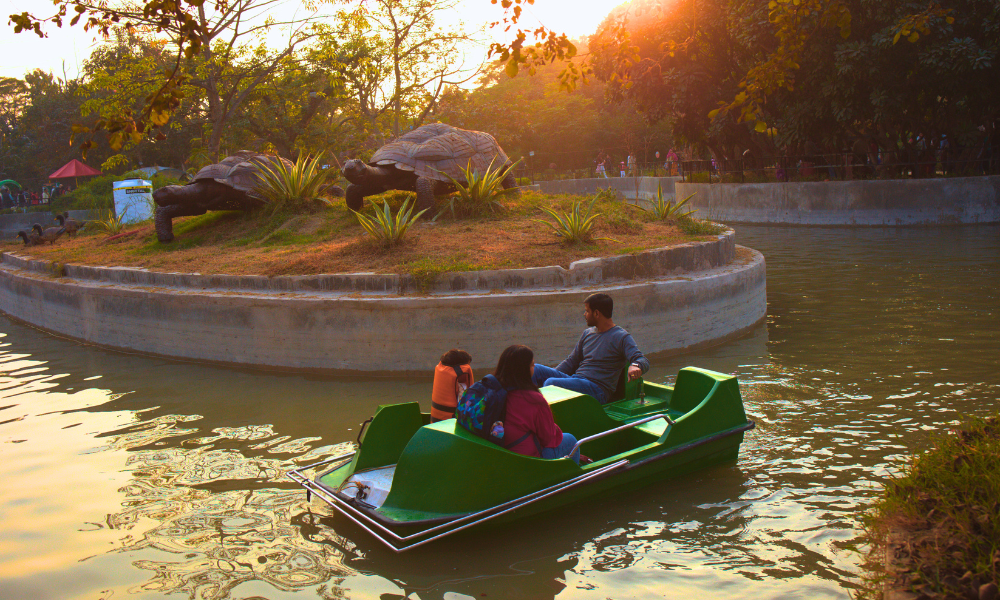
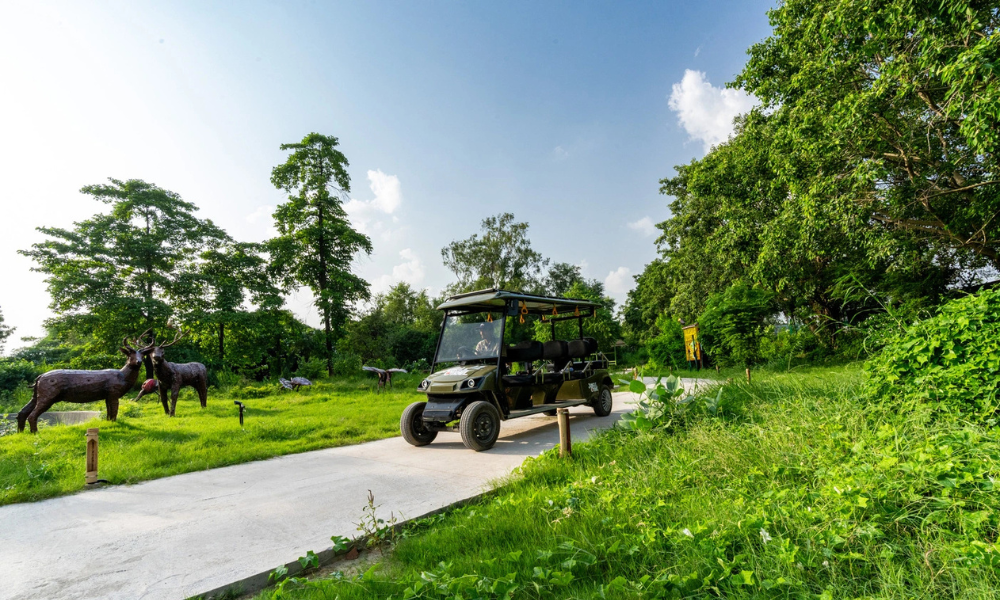
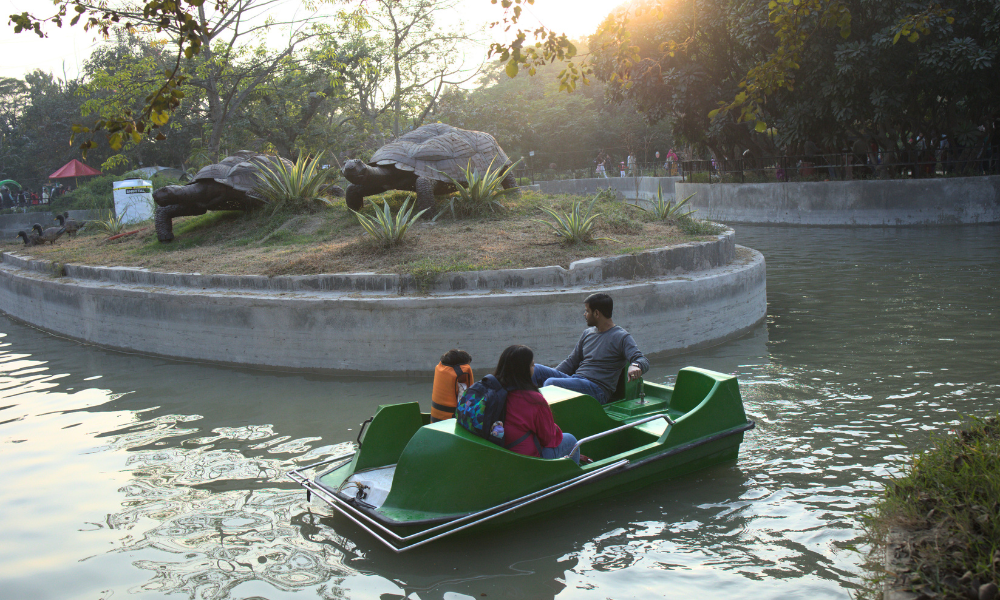
    A relaxing paddle through Jungle Trail Noida.

    Why Outdoor Experiences Make a Bigger Impact

    People connect more deeply with ideas when they experience them physically rather than simply hearing about them. That is why outdoor recreational spaces are becoming powerful tools for awareness and engagement.

    At Jungle Trail Noida, visitors can explore immersive outdoor pathways, interact with themed environments, enjoy adventure activities, and spend time in nature-inspired surroundings. This combination of recreation and awareness creates stronger emotional engagement. Outdoor experiences naturally encourage observation and curiosity, helping visitors connect more personally with environmental ideas.

    Inspiring Children Through Creative Spaces

    Children are especially influenced by the environments they grow up experiencing. Parks designed around sustainability and creativity help children understand the importance of reuse, connect with nature, develop curiosity, and learn through exploration.

    As an educational outdoor destination, Jungle Trail Noida introduces environmental awareness in a way that feels interactive rather than instructional. Children experience creative storytelling through installations, nature-inspired exploration, eco-conscious design elements, and interactive outdoor learning.

    This makes the park suitable for school trips, educational tourism, family learning experiences, and group educational outings. Learning becomes more effective because children engage with ideas naturally through observation and exploration.

    Redefining Family Recreation

    Modern families increasingly look for experiences that feel meaningful rather than purely commercial. Instead of spending weekends only inside malls or indoor entertainment centers, many families now prefer outdoor destinations that combine recreation, creativity, nature, exploration, and educational value.

    At Jungle Trail Noida, children enjoy outdoor activities while adults engage with creative environments and families explore spaces together. This creates a more balanced and memorable outing compared to routine entertainment experiences. Even simple family visits become more meaningful when the environment encourages curiosity and interaction.

    Waste-to-Art and Urban Planning

    Future urban planning will require cities to think beyond traditional infrastructure. Public spaces of the future must support sustainability, improve environmental awareness, encourage community interaction, and create healthier urban environments.

    Waste-to-art concepts offer a practical solution because they combine functionality with creativity. Instead of building generic recreational spaces, cities can create immersive environments that reduce waste, improve aesthetics, educate visitors, and encourage responsible behavior.

    Spaces like Jungle Trail Noida demonstrate how urban recreation can become both environmentally conscious and socially engaging at the same time.

    Supporting Sustainable Tourism in India
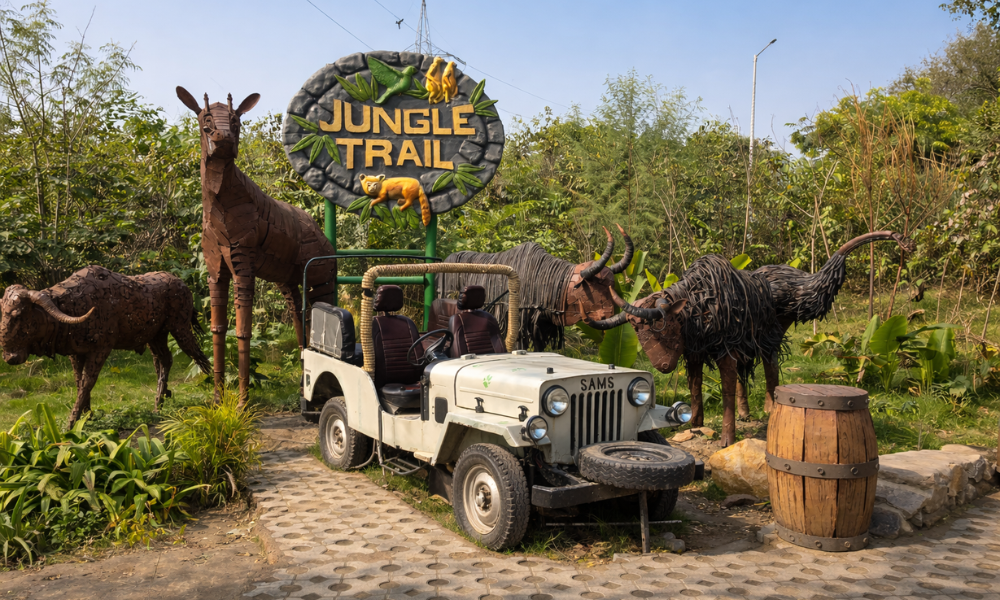
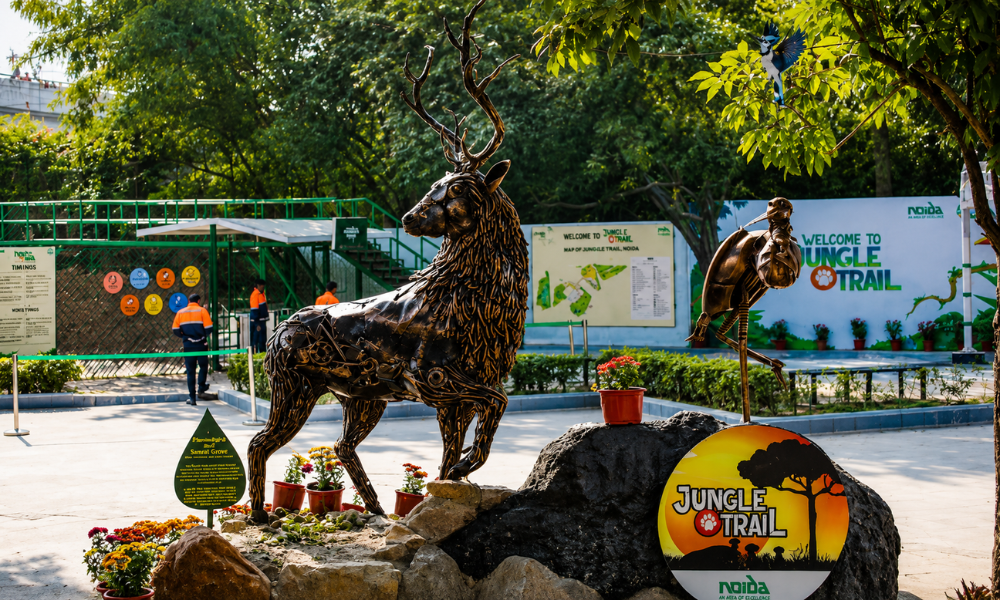
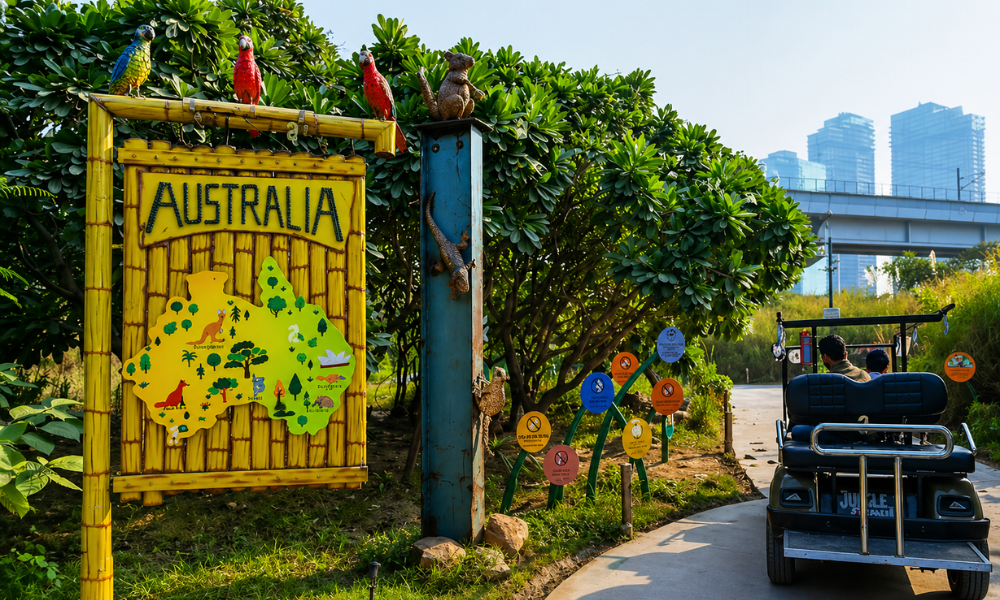
    The entrance to Jungle Trail Noida — your gateway to nature and adventure.

    Supporting Sustainable Tourism in India

    Sustainable tourism is becoming increasingly important across India. While many people associate eco-tourism with forests or remote destinations, urban spaces also play an important role in promoting responsible tourism practices.

    Creative outdoor parks contribute by encouraging eco-conscious thinking, offering meaningful visitor experiences, reducing reliance on purely commercial entertainment, and creating awareness through public interaction. For visitors searching for things to do in Noida, destinations like Jungle Trail Noida offer an experience that feels more thoughtful and engaging than routine entertainment spaces.

    The Future of Adventure and Recreation Parks

    Modern recreational parks are evolving rapidly. Today’s visitors want more than just rides and attractions. They prefer spaces that combine entertainment, creativity, awareness, exploration, and emotional connection.

    At Jungle Trail Noida, adventure activities add excitement, themed installations create immersion, outdoor environments encourage reflection, and sustainability becomes part of the experience. This balance between fun and awareness reflects the direction many future recreational spaces are likely to take.

    Creating Urban Oases for Future Cities

    As cities become denser and more digitally connected, the demand for peaceful and meaningful public spaces will continue increasing. Waste-to-art parks help create urban oases where people can relax outdoors, reconnect with nature, explore creative environments, and experience sustainability in a practical way.

    Unlike traditional amusement parks that focus mainly on commercial entertainment, these spaces offer a deeper emotional and educational experience. They help cities become not only more modern but also more thoughtful and environmentally responsible.

    FAQs

    1. What is a waste-to-art concept?

    Waste-to-art refers to transforming discarded or recycled materials into creative installations, sculptures, and meaningful public spaces.

    2. Why are waste-to-art concepts important for future cities?

    They help reduce waste, promote sustainability, improve public spaces, and encourage environmental awareness.

    3. How does Jungle Trail Noida use this concept?

    Jungle Trail Noida incorporates creative installations, themed spaces, and eco-conscious design elements to create an immersive and awareness-driven environment.

    4. Is Jungle Trail Noida suitable for children?

    Yes, it works well as an educational outdoor destination where children can learn through exploration and interactive experiences.

    5. How is it different from a regular amusement park?

    Unlike traditional amusement parks, Jungle Trail Noida focuses on creativity, sustainability, outdoor exploration, and meaningful engagement.

    Final Thought

    The cities of the future cannot rely only on old ideas of development and recreation. They need spaces that are creative, sustainable, and emotionally meaningful for the people who use them.

    Waste-to-art concepts provide a powerful solution by transforming discarded materials into environments that inspire curiosity, awareness, and connection. Places like Jungle Trail Noida show how recreational spaces can do more than entertain — they can help shape a more thoughtful and sustainable future for urban life.

    👉 Plan your visit to Jungle Trail Noida and explore how waste is transformed into art in a space that blends creativity, sustainability, and outdoor experience.

    Jungle Trail

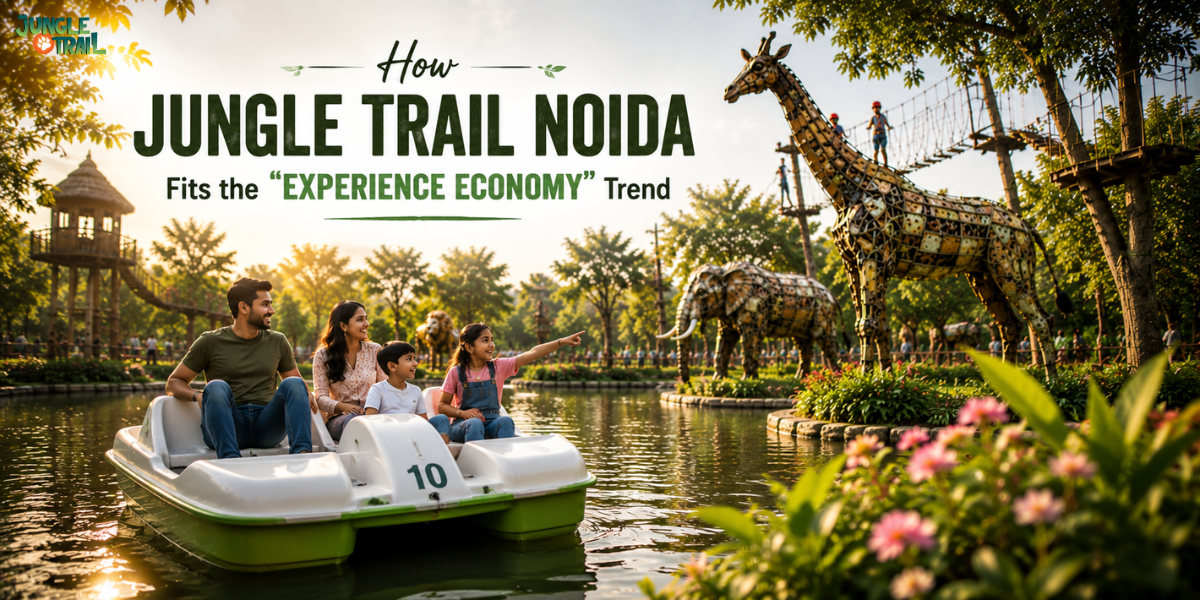
  • How Jungle Trail Noida Fits the “Experience Economy” Trend

    How Jungle Trail Noida Fits the “Experience Economy” Trend

    Why Are People Choosing Experiences Over Things?

    A few years ago, weekends mostly revolved around shopping malls, movie theatres, food courts, and routine indoor entertainment. People visited malls not only for shopping but also to spend leisure time in air-conditioned spaces, especially in rapidly growing urban cities. Over time, however, this pattern began changing. Today, people increasingly look for experiences that feel meaningful, memorable, and emotionally engaging rather than simply transactional.

    This shift is part of what is now called the “experience economy.” Instead of spending only on products, people now prefer spending on travel, outdoor recreation, immersive attractions, and quality moments shared with family and friends. In cities like Noida, this trend is becoming highly visible as families, students, and young adults actively search for destinations that combine relaxation, creativity, nature, and engagement in one outing.

    Among these emerging destinations, Jungle Trail Noida stands out because it offers more than conventional entertainment. Rather than functioning like a traditional amusement park, it creates an immersive outdoor environment where recreation, exploration, learning, and nature exist together.

    Understanding the Experience Economy

    Understanding the Experience Economy

    The experience economy is built on a simple idea: people value experiences more deeply than possessions. While products may provide temporary satisfaction, experiences create memories that last much longer. Whether it is traveling to new places, exploring themed parks, participating in outdoor activities, or spending time in immersive environments, modern consumers increasingly prioritize emotional connection over material ownership.

    This shift is especially noticeable among urban families and younger visitors who often seek alternatives to repetitive indoor entertainment. Instead of spending entire weekends moving between shops, restaurants, and crowded commercial spaces, many people now prefer open environments where they can slow down, reconnect, and enjoy something refreshing and different.

    As a result, outdoor recreation parks, nature-focused attractions, and experience-driven destinations are becoming significantly more popular across urban regions.

    Why Traditional Entertainment Spaces Feel Repetitive

    For many years, malls were considered the default weekend destination. However, over time, most indoor entertainment experiences started feeling predictable. The environment generally remains the same: shopping stores, food courts, movie theatres, gaming zones, and heavily commercialized spaces. Even indoor amusement activities can begin to feel repetitive after multiple visits.

    Modern visitors now look for environments that feel more immersive and emotionally engaging. They want spaces where they can spend quality time together instead of constantly moving between advertisements, queues, and enclosed entertainment areas. This growing fatigue with mall culture is one of the biggest reasons outdoor recreational destinations are attracting more visitors today.

    Why Nature-Based Experiences Are Growing

    Nature provides a sense of calm that urban environments often lack. After spending most of the week surrounded by screens, traffic, offices, and crowded roads, people naturally look for places that feel open, peaceful, and refreshing. Parks that combine nature with recreation create a balance that many indoor venues cannot easily offer.

    Jungle Trail Noida reflects this shift through nature-inspired pathways, themed outdoor environments, creative installations, and open-air exploration spaces. Unlike loud commercial entertainment zones, the atmosphere feels slower, calmer, and more immersive. This helps visitors build a stronger emotional connection with the environment itself.

    How Jungle Trail Noida Creates an Experience

    How Jungle Trail Noida Creates an Experience

    One of the biggest differences between traditional entertainment venues and experience-based parks lies in intentional design. At Jungle Trail Noida, the environment itself becomes part of the attraction. Instead of rushing between rides or commercial activities, visitors gradually move through themed trails, interactive spaces, and visually engaging outdoor zones.

    The park includes animal sculptures, themed habitats, walking trails, family-friendly environments, and immersive installations that encourage exploration and discovery. Every section feels visually distinct, making the overall visit more engaging and memorable. Rather than focusing entirely on thrill-based entertainment, the space encourages observation, interaction, and meaningful outdoor engagement.

    Why Families Connect More With Experience-Based Parks

    Families today increasingly prefer shared experiences over passive entertainment. Instead of spending time indoors watching screens or sitting in enclosed gaming zones, many parents now seek environments where every family member can participate together.

    At Jungle Trail Noida, children explore creative outdoor spaces while parents enjoy calm surroundings and relaxed walking environments. Families naturally spend more time interacting with each other instead of being separated into different forms of entertainment. This creates stronger engagement compared to conventional indoor entertainment destinations.

    As a family-friendly recreation park, it appeals to multiple age groups because the experience is based on exploration, interaction, creativity, and relaxation rather than only rides or high-energy attractions.

    Outdoor Experiences Feel More Meaningful

    One major reason experience-led parks continue growing in popularity is because outdoor activities often feel more memorable than routine indoor entertainment. Visitors tend to remember experiences such as walking through immersive environments, discovering creative installations, exploring themed trails, and spending quality time together in nature.

    At Jungle Trail Noida, even simple moments become part of the overall experience. Exploring artistic pathways, observing sculptures, and moving through different outdoor zones encourages visitors to stay connected with their surroundings instead of rushing through attractions.

    The Growing Demand for Picnic Parks and Leisure Spaces

    Modern visitors no longer view picnics as simply sitting outdoors with food. Today, people look for destinations that combine comfort, scenery, recreation, and exploration together. This is why thoughtfully designed leisure parks are becoming increasingly popular in urban areas.

    At Jungle Trail Noida, visitors can enjoy open green spaces, creative landscapes, relaxing seating areas, outdoor exploration zones, and family-friendly environments within a single destination. The balance between relaxation and engagement makes the outing feel more complete and satisfying.

    Experience-Led Learning for Children

    Experience-Led Learning for Children

    One of the strongest features of modern outdoor parks is that learning happens naturally through interaction and exploration. Children often engage more effectively when education feels immersive rather than instructional.

    As an educational outdoor destination, Jungle Trail Noida introduces wildlife-inspired sculptures, storytelling environments, sustainability awareness, and nature-focused experiences in a way that feels interactive and enjoyable. This makes the park suitable for school outings, educational tourism, family learning experiences, and group activities for children.

    Instead of relying on formal lessons, the environment encourages curiosity and observation through exploration itself.

    Balancing Adventure With Relaxation

    Traditional adventure parks often focus entirely on high-energy activities. However, modern recreational destinations are increasingly moving toward a balance between excitement and relaxation.

    Today’s visitors want both light adventure and peaceful surroundings within the same experience. At Jungle Trail Noida, this balance appears through interactive exploration zones, adventure activities, calm walking trails, and nature-inspired recreational spaces. Even the adventurous elements feel integrated into the overall atmosphere without making the environment feel overwhelming or chaotic.

    Sustainability as Part of the Experience

    Environmental awareness is becoming an important part of modern recreation. Visitors increasingly appreciate destinations that reflect eco-conscious values and thoughtful environmental design.

    Inspired by creative sustainability concepts, modern parks now focus on artistic reuse of materials, eco-friendly installations, environmental storytelling, and nature-sensitive planning. At Jungle Trail Noida, sustainability becomes part of the visitor experience itself rather than simply appearing as written messaging. This aligns closely with the growing demand for responsible and nature-focused leisure destinations.

    Redefining Leisure in Noida

    Weekend entertainment in Noida is evolving rapidly. Visitors are increasingly exploring outdoor recreation parks, immersive family attractions, nature-themed destinations, and creative leisure spaces instead of spending every weekend indoors.

    Among these emerging spaces, Jungle Trail Noida stands out because it combines nature, recreation, creativity, outdoor exploration, family interaction, and immersive design within a single destination. The experience feels less commercial and more emotionally engaging, which is exactly what modern visitors increasingly seek in today’s experience economy.

    FAQs

    1. What is the experience economy?

    The experience economy refers to the growing trend where people prefer spending money on memorable experiences and activities instead of only purchasing products.

    2. How does Jungle Trail Noida fit this trend?

    Jungle Trail Noida combines outdoor recreation, creativity, immersive environments, and nature-focused exploration to create a meaningful visitor experience.

    3. Is Jungle Trail Noida suitable for families?

    Yes, the park is designed for families, children, school groups, and visitors looking for engaging outdoor recreational experiences.

    4. Can schools organize educational visits here?

    Yes, the park supports educational outings through interactive outdoor environments, creative exploration spaces, and nature-inspired learning experiences.

    5. How is it different from a traditional amusement park?

    Unlike traditional amusement parks, Jungle Trail Noida focuses more on immersive outdoor experiences, creativity, relaxation, sustainability, and family interaction rather than only rides and commercial entertainment.

    Final Thought

    People today want more than repetitive entertainment routines. They increasingly search for experiences that feel immersive, meaningful, and emotionally rewarding. They want places where they can reconnect with family, spend time outdoors, explore creatively, and temporarily disconnect from everyday urban stress.

    That is exactly why destinations like Jungle Trail Noida are becoming more relevant in today’s experience economy. Because in many cases, the most valuable part of a day out is not what people buy — but what they genuinely experience.

    👉 Plan your visit to Jungle Trail Noida and explore how waste is transformed into art in a space that blends creativity, sustainability, and outdoor experience.

    A whole new jungle experience

  • Why Calm, Nature-Based Parks Like Jungle Trail Are Replacing Malls

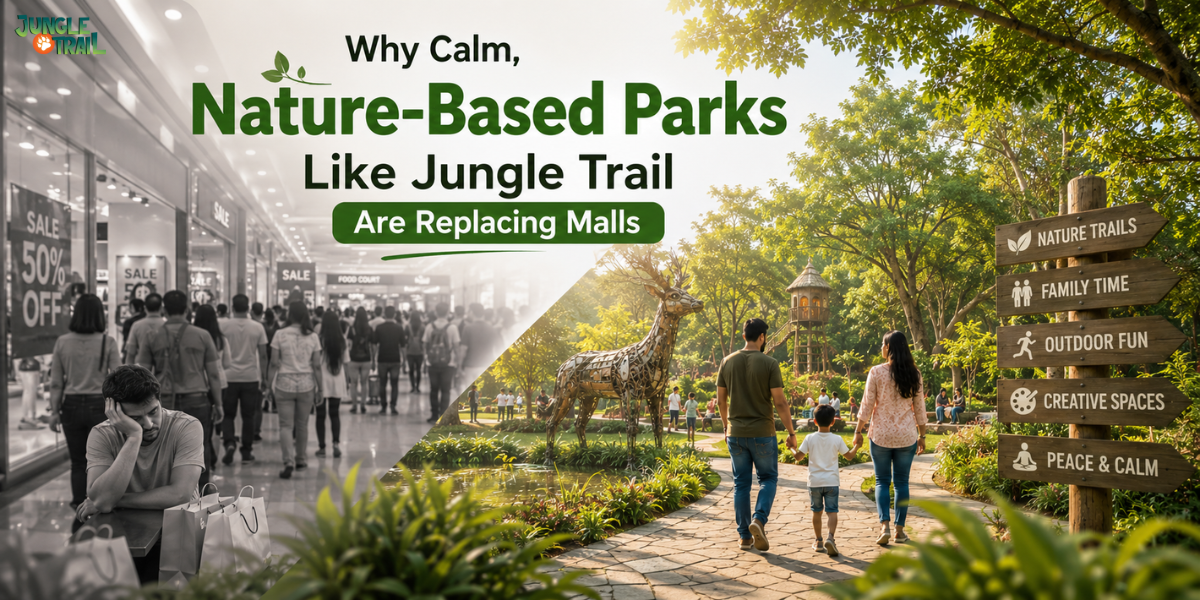
    Why Calm, Nature-Based Parks Like Jungle Trail Are Replacing Malls

    For years, malls defined how people spent their weekends. Air-conditioned interiors, shopping outlets, food courts, and entertainment zones became the default way to relax after a busy week. But over time, the experience started feeling repetitive. The environment changed very little, and most visits followed the same routine.

    Today, people are looking for something different. Instead of crowded indoor spaces, many families now prefer open environments where they can slow down, walk freely, and spend meaningful time together. This shift has increased interest in nature places, picnic spots, and outdoor recreational spaces that feel calmer and more immersive.

    Parks like Jungle Trail Noida reflect this change clearly. Rather than focusing only on shopping or fast entertainment, these spaces combine nature-inspired design, walking trails, creative installations, and family-friendly experiences. The result feels more balanced, more interactive, and far more refreshing than spending hours inside a mall.

    The Growing Fatigue Around Mall Culture

    The Growing Fatigue Around Mall Culture

    Malls once felt exciting because they offered everything in one place. Shopping, dining, movies, and indoor games made them popular weekend destinations for families and young visitors alike.

    But the experience rarely evolves. Most malls still revolve around shopping stores, crowded food courts, indoor gaming zones, and repetitive entertainment setups. Even large indoor amusement areas often feel temporary and overstimulating. After multiple visits, the environment becomes predictable. People walk through similar corridors, see the same brands, and follow almost identical routines each time.

    Because of this, visitors have started searching for leisure spaces that feel more natural and experience-driven. Instead of spending entire weekends indoors, many now prefer community parks, outdoor exploration spaces, and family parks that allow movement, interaction, and relaxation without constant noise or crowd pressure.

    Why Nature-Based Parks Feel More Relaxing

    Nature naturally changes the way people experience space. Open landscapes, greenery, walking trails, and natural airflow create an atmosphere that feels calmer compared to enclosed commercial environments.

    After spending most of the week around screens, traffic, offices, and crowded city spaces, people increasingly want environments that help them mentally disconnect.

    At Jungle Trail Noida, the experience feels intentionally slower and more open. Visitors move through themed pathways, outdoor installations, and shaded areas that encourage walking rather than rushing.

    Unlike malls, where movement is usually directed toward shopping, nature-based parks encourage observation and exploration. Families stop to look at sculptures, children engage with their surroundings, and visitors naturally spend more time outdoors without feeling mentally exhausted.

    From Consumption to Experience

    One major reason parks are replacing malls is that people are valuing experiences more than purchases.

    Malls are primarily designed around consumption. Every section encourages buying, whether through retail stores, entertainment counters, or food outlets. Nature-based parks create value differently.

    At Jungle Trail Noida, visitors spend time exploring themed environments instead of moving between shops. The focus shifts from purchasing products to experiencing the space itself.

    Families interact with themed habitat zones, creative pathways, outdoor activity spaces, art-inspired installations, and immersive nature environments. This makes each visit feel more personal and memorable.

    Unlike malls, which remain visually consistent year-round, outdoor parks also change naturally depending on weather, light, and season. This keeps the experience fresh even for repeat visitors.

    Why Families Prefer Outdoor Recreation

    Why Families Prefer Outdoor Recreation

    Family entertainment preferences have changed significantly over the last few years. Parents now look for places where children can stay active instead of remaining indoors for long periods. They also prefer destinations where the entire family can spend quality time together without constant distractions.

    Outdoor recreational parks provide exactly that balance.

    At Jungle Trail Noida, families can walk together comfortably, explore nature-inspired zones, participate in outdoor activities, and enjoy relaxed picnic-style experiences.

    The environment feels spacious and less restrictive compared to enclosed entertainment centers. Because of this, visits feel more meaningful rather than purely transactional. Families spend more time interacting with each other instead of simply moving between shops or screens.

    Why Children Connect Better With Outdoor Parks

    Children naturally respond better to environments where they can move freely and interact physically with their surroundings.

    Inside malls, activities are often limited to screens, machines, or enclosed gaming areas. Nature-based parks create a completely different experience by encouraging curiosity and movement.

    At Jungle Trail Noida, children engage with large animal sculptures, outdoor pathways, interactive installations, creative themed zones, and nature-inspired storytelling spaces.

    This turns the park into more than just a recreational space. It also becomes an informal learning environment where children observe design, creativity, reuse of materials, and outdoor ecosystems naturally.

    Adventure Without Overstimulation

    Modern visitors do not always want loud, high-intensity attractions. Traditional amusement parks often focus heavily on thrill rides, flashing lights, and constant stimulation. While these experiences remain popular, many families now prefer activities that feel engaging without becoming exhausting.

    Nature-based parks balance adventure differently.

    Visitors can enjoy rope activities, light adventure zones, outdoor exploration spaces, climbing structures, and creative play areas. Even when adventure elements exist, the overall atmosphere remains calmer and more comfortable.

    At Jungle Trail Noida, the experience feels immersive rather than overwhelming, allowing visitors to stay longer without mental fatigue.

    The Growing Importance of Sustainable Recreation

    The Growing Importance of Sustainable Recreation

    Another major reason behind the popularity of nature-based parks is growing environmental awareness.

    People increasingly prefer spaces that reflect sustainable ideas instead of purely commercial entertainment. Visitors now appreciate parks that combine creativity with eco-conscious design.

    Many modern outdoor spaces incorporate recycled materials, waste-to-art concepts, eco-friendly layouts, awareness-driven installations, and sustainable storytelling elements.

    At Jungle Trail Noida, this approach becomes visible through creative structures and nature-inspired planning that encourage visitors to observe reuse and environmental themes naturally.

    This adds depth to the experience while supporting broader conversations around sustainability and responsible tourism.

    How Weekend Culture in Noida Is Evolving

    Weekend recreation in cities like Noida has changed noticeably.

    Earlier, malls dominated most leisure plans because there were fewer alternatives offering organized outdoor experiences. Today, visitors actively search for outdoor fun parks, picnic destinations, eco parks, immersive family experiences, and nature-themed recreational spaces.

    This shift reflects changing priorities. People want environments that help them relax physically and mentally instead of simply spending time indoors.

    Parks like Jungle Trail Noida fit naturally into this new lifestyle because they combine recreation, creativity, and open space within a single experience.

    Why This Shift Will Continue

    The preference for calm, outdoor recreation is unlikely to disappear anytime soon.

    As cities become more crowded and digitally connected, people will continue searching for spaces that feel slower, quieter, and more human-centered.

    Nature-based parks meet several modern needs at once: relaxation, family bonding, outdoor activity, creative engagement, and environmental awareness.

    Unlike malls, which mainly revolve around shopping and consumption, these parks create experiences built around movement, observation, and connection. That difference is becoming increasingly important in modern urban life.

    Frequently Asked Questions

    1. Why are people choosing parks over malls?

    People increasingly prefer open, relaxing environments that offer meaningful experiences, outdoor activities, and quality family time instead of repetitive indoor entertainment.

    2. Is Jungle Trail Noida suitable for families?

    Yes, Jungle Trail Noida is designed as a family-friendly outdoor recreational space suitable for all age groups.

    3. Does Jungle Trail Noida offer activities for children?

    Yes, children can engage with outdoor pathways, themed installations, sculptures, and interactive spaces that combine recreation with creativity.

    4. Can schools organize educational visits here?

    Yes, the park works well for school outings because it combines outdoor exploration, environmental awareness, and creative learning experiences.

    5. How is it different from a mall-based entertainment space?

    Unlike indoor entertainment centers, Jungle Trail focuses on nature-inspired experiences, open environments, creativity, sustainability, and meaningful outdoor interaction.

    Final Thought

    Malls may still remain part of urban life, but they are no longer the only way people choose to spend their weekends.

    More visitors now prefer experiences that feel calmer, more personal, and more connected to nature. They want places where they can walk freely, spend time together, and step away from the fast pace of city routines.

    That’s why spaces like Jungle Trail Noida are becoming increasingly important. They offer something modern cities often lack: space to slow down, reconnect, and experience the outdoors in a more meaningful way.


    👉 Plan your visit to Jungle Trail Noida and explore how waste is transformed into art in a space that blends creativity, sustainability, and outdoor experience.

    Jungle Trail
  • Why Sustainable Parks Matter in Urban Cities Like Noida

    Why Sustainable Parks Matter in Urban Cities Like Noida

    Cities today are growing rapidly. Roads expand, buildings rise higher, and daily life becomes increasingly fast-paced. In urban areas like Noida, development is visible everywhere, but in the middle of this growth, people are also searching for something quieter and more refreshing — spaces where they can slow down and reconnect with nature. This is one of the reasons sustainable parks are becoming more important in modern cities. They are no longer just places with trees and benches.

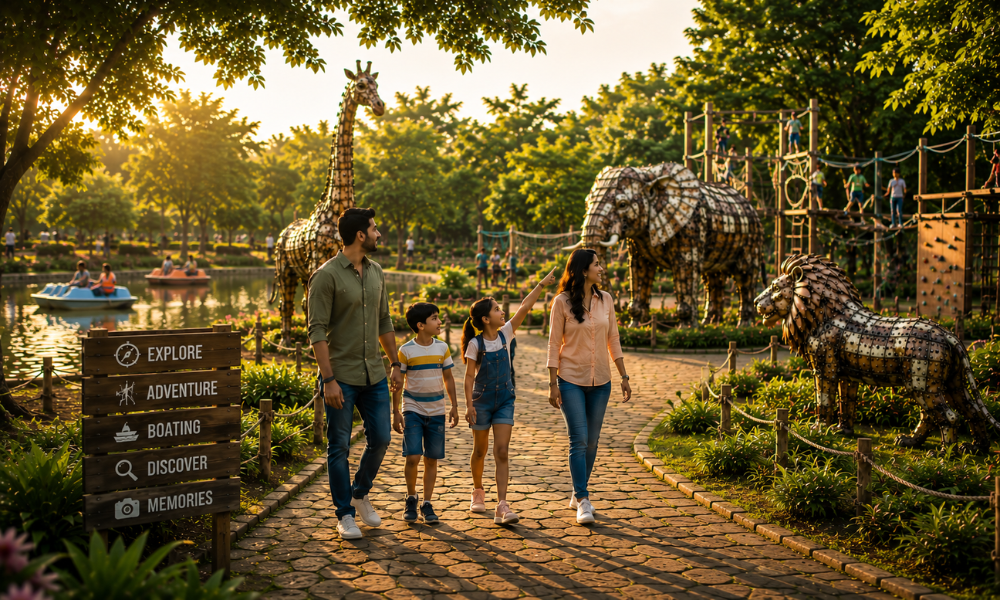
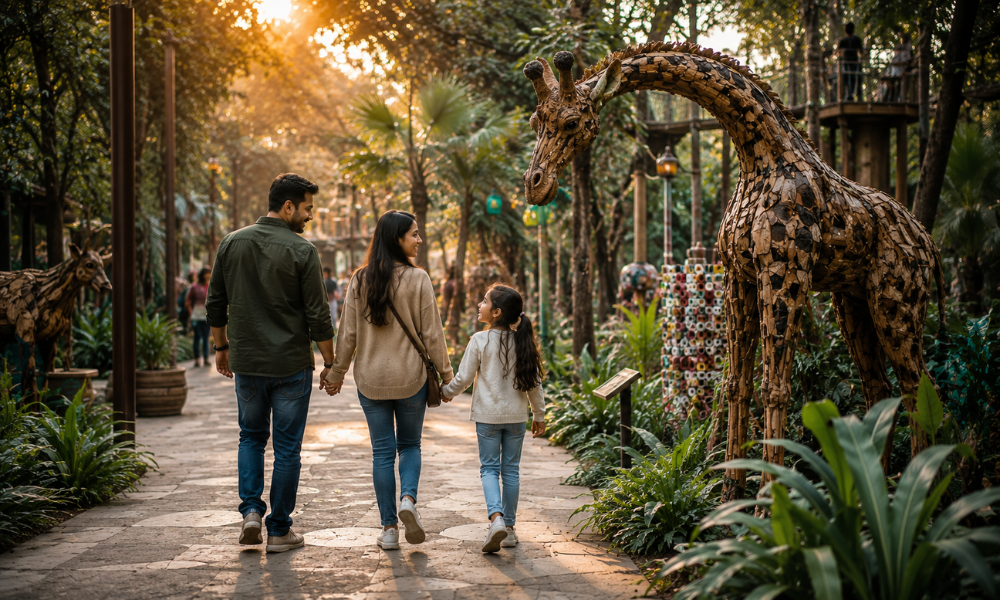
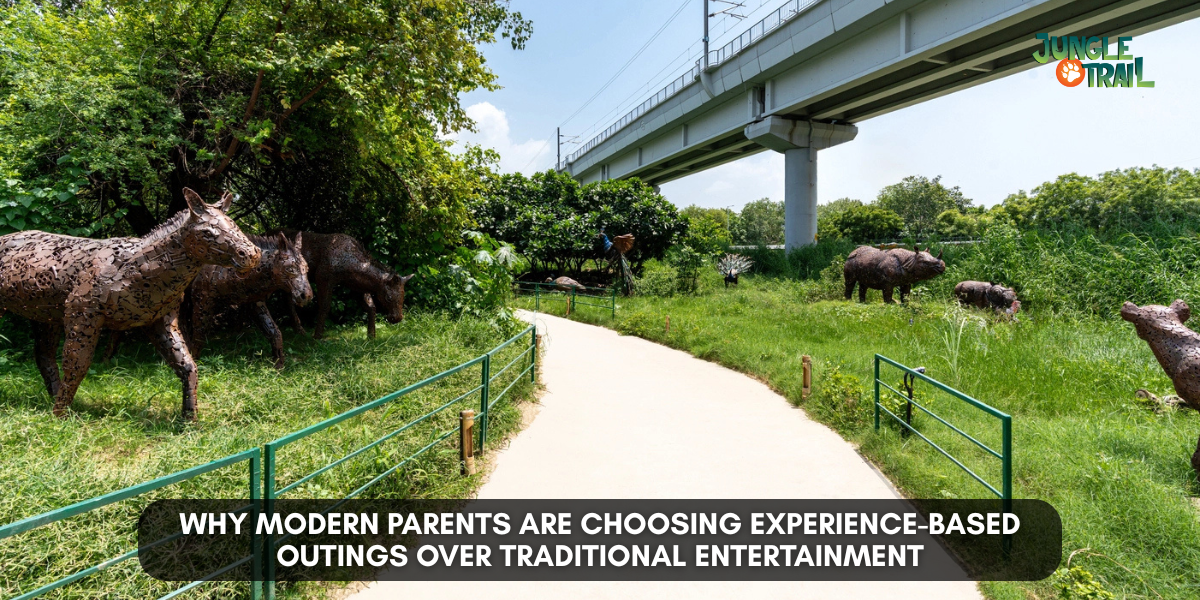
    Today, people look for outdoor spaces that feel engaging, creative, and meaningful. Parks now need to offer experiences that go beyond simple recreation. At Jungle Trail Noida, the experience feels noticeably different from a regular city park. As you walk through the trail, animal sculptures appear naturally throughout the space, creating an environment that feels open, calm, and easy to explore. The layout encourages visitors to observe their surroundings instead of rushing through them.

    The Growing Need for Green Spaces in Urban Areas

    Urban life often becomes repetitive. Most people move between offices, homes, shopping spaces, and traffic every day. Because of this, outdoor environments have become more valuable than ever. Families search for picnic spots where they can spend quality time together. Parents look for safe outdoor activities for children. School groups search for educational outdoor destinations that feel interactive instead of routine.

    Traditional parks still provide greenery, but visitor expectations have changed. People now want experiences that feel immersive and thoughtfully designed. They prefer outdoor environments where the surroundings themselves become part of the experience. This shift is why eco parks and sustainable outdoor spaces are gaining attention in cities like Noida and Delhi NCR.

    What Makes a Park Truly Sustainable?

    What Makes a Park Truly Sustainable?

    A sustainable park is not simply about planting more trees. The real difference lies in how the space is designed and how materials are used within it. Modern sustainable parks often focus on reuse of industrial materials, environmentally conscious design, creative installations, nature-inspired experiences, and long-term public engagement. At Jungle Trail Noida, these ideas become visible throughout the space.

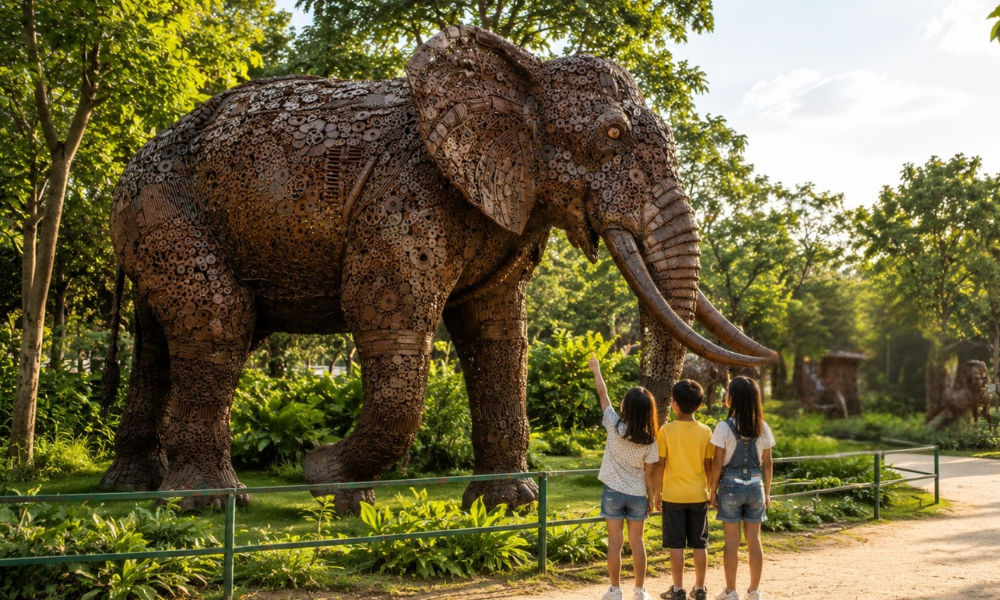
    Large animal sculptures created from industrial scrap blend into the environment naturally. Visitors can still notice the metal textures and reused materials, but the structures feel artistic rather than industrial. This approach changes how people experience the surroundings. Instead of simply walking through a park, visitors begin noticing details, materials, and design choices more carefully.

    Why Sustainable Parks Feel Different From Traditional Parks

    Most traditional amusement parks focus entirely on entertainment. Bright lights, loud attractions, and fast-paced activities define the experience. Sustainable parks create a very different atmosphere. At Jungle Trail Noida, the environment feels more balanced. Open walking spaces, themed sculptures, and nature-inspired layouts create a slower pace that allows visitors to enjoy the surroundings comfortably.

    The experience does not feel rushed. Instead, the park encourages exploration through observation. Visitors naturally slow down to look more closely at the sculptures, pathways, and installations around them. This calmer atmosphere is one reason why many families now prefer sustainable outdoor spaces over conventional entertainment zones.

    Why Families and Children Connect With These Spaces

    Why Families and Children Connect With These Spaces

    Children usually respond strongly to outdoor environments where they can explore freely. Large sculptures, themed spaces, and open trails naturally hold their attention without requiring constant activities. At Jungle Trail Noida, families often spend time observing the animal sculptures together. Children notice shapes, textures, and scale, while adults appreciate the creativity and structure behind the installations. Because the environment feels spacious and comfortable, families can move through the park at their own pace. This creates a more relaxed outdoor experience compared to crowded indoor entertainment spaces.

    The park also introduces ideas like reuse and sustainability in a very natural way. Children begin understanding how discarded materials can be transformed into something creative simply by observing the sculptures around them.

    How Creative Installations Shape the Visitor Experience

    Creative design plays an important role in modern eco parks. Instead of relying only on landscaping, these spaces use sculptures and installations to shape how visitors move through the environment. At Jungle Trail Noida, the sculptures are placed carefully throughout the trail so that each section feels connected to the next. The arrangement creates a smooth flow without needing excessive directions or signage. Lighting also changes how the sculptures appear during different times of the day.

    As sunlight shifts, shadows move across the metal surfaces, making the same installation look slightly different depending on when it is viewed. These small details help the park feel more immersive and visually layered.

    Why Waste-to-Art Concepts Are Growing in India

    As cities continue expanding, awareness around waste management and sustainable urban planning is increasing as well. Waste-to-art parks represent a growing shift in how public spaces are being designed. Instead of discarding industrial materials completely, these spaces reuse them to create installations that are both functional and visually engaging. At Jungle Trail Noida, this concept becomes visible on a much larger scale.

    Industrial scrap has been transformed into large animal sculptures that now define the identity of the park. This approach allows visitors to experience sustainability in a practical and visual way rather than only reading about it theoretically.

    The Connection Between Sustainable Parks and Urban Well-Being

    The Connection Between Sustainable Parks and Urban Well-Being

    Green spaces have become essential for mental and physical well-being in urban environments. Outdoor spaces allow people to step away from screens, traffic, and indoor routines for a while. Walking through open environments naturally feels more calming than spending long hours inside crowded commercial spaces. Sustainable parks also encourage more meaningful outdoor interactions.

    Families spend time together, children remain active, and visitors become more aware of their surroundings. In growing cities like Noida, these spaces help restore balance between development and nature.

    What Visitors Can Expect at Jungle Trail Noida

    Jungle Trail Noida is best explored slowly. The park works well for families, school groups, photographers, and visitors who simply enjoy spending time outdoors. As you move through the trail, the sculptures gradually reveal more detail the closer you observe them. Some visitors focus on photography, while others simply enjoy the relaxed atmosphere of the space.

    Morning and evening hours are usually the most comfortable times to visit because the weather feels cooler and better suited for walking. The overall environment feels open and approachable, making it suitable for both short visits and longer family outings.

    Frequently Asked Questions

    1. What is a sustainable park?

    A sustainable park is an outdoor space designed using eco-friendly ideas such as material reuse, environmentally conscious planning, and nature-focused experiences.

    2. Why are sustainable parks important in cities like Noida?

    They provide green spaces where people can relax, reconnect with nature, and enjoy outdoor experiences within busy urban environments.

    3. Is Jungle Trail Noida suitable for families?

    Yes, Jungle Trail Noida is family-friendly and suitable for visitors of all age groups.

    4. Can schools organize educational visits here?

    Yes, the park works well for school outings because it combines outdoor exploration, creativity, and environmental awareness.

    5. How is it different from a regular amusement park?

    Unlike a typical amusement park, Jungle Trail Noida combines recreation with sustainability, creative installations, and nature-inspired experiences.

    Final Thoughts

    Sustainable parks are becoming increasingly important in modern urban life because they offer something cities often lack — meaningful outdoor spaces. At Jungle Trail Noida, the experience goes beyond simple recreation. The combination of reused materials, large-scale sculptures, open walking trails, and thoughtful design creates an environment that feels creative, immersive, and easy to connect with.

    The longer visitors spend exploring the park, the more details they begin to notice. What first appears to be a themed outdoor space gradually reveals ideas of reuse, design, and sustainability built into every section of the environment. That gradual shift in perspective is what makes sustainable parks feel more meaningful in growing cities like Noida.


    👉 Plan your visit to Jungle Trail Noida and explore how waste is transformed into art in a space that blends creativity, sustainability, and outdoor experience.

    Jungle Trail

  • Why Modern Parents Are Choosing Experience-Based Outings Over Traditional Entertainment

    Why Modern Parents Are Choosing Experience-Based Outings Over Traditional Entertainment

    Planning a weekend with kids today feels very different from a few years ago. Earlier, families would simply visit a mall or a typical amusement park. But now, parents are actively searching for better options like outdoor activities, nature places, and meaningful experiences for their children—places like Jungle Trail Park Noida that offer something beyond just entertainment.

    So, what changed?

    Why are modern parents moving away from traditional entertainment and choosing something more interactive?

    The answer lies in a shift toward experience-based outings—places where children don’t just have fun but also learn, explore, and grow.

    What Are Experience-Based Outings?

    Experience-based outings are activities or places that go beyond passive entertainment.

    Instead of just rides or screens, they offer:

    • Exploration
    • Interaction
    • Learning through real experiences

    Examples include:

    • Eco parks
    • Jungle parks
    • Picnic parks 
    • Outdoor learning spaces

    These places allow children to engage physically and mentally, making the outing more meaningful.

    Why Traditional Entertainment Is Losing Appeal

    Traditional options like malls or high-energy adventure parks still attract visitors, but they come with limitations.

    • Limited learning value
    • Overcrowded environments
    • Focus only on thrill rides
    • Less family interaction

    Parents are now realizing that while these places are fun, they don’t always add value to a child’s development.

    Why Parents Prefer Experience-Based Outings

    Why Parents Prefer Experience-Based Outings

    1. Real Learning Beyond Classrooms

    Modern parents want their children to learn outside school as well.

    Places like waste to wonder park setups allow kids to:

    • Understand recycling
    • Explore creativity
    • Learn through observation

    This kind of learning feels natural and engaging.

    2. Better Use of Screen-Free Time

    With increasing screen addiction, parents are looking for ways to reduce it.

    Choosing outdoor activities or visiting green parks helps replace screen time with real-world engagement.

    3. Encourages Physical Activity

    Unlike indoor entertainment, outdoor spaces promote movement.

    Walking, exploring, and participating in activities make children more active and healthier.

    This is why many families now prefer family parks over indoor gaming zones.

    4. Stronger Family Bonding

    Experience-based outings are not just for kids—they involve the whole family.

    Instead of sitting separately with devices, families:

    • Walk together
    • Explore together
    • Share experiences

    This creates stronger connections.

    5. Calm and Less Overwhelming Environment

    Crowded amusement park in Noida locations can feel noisy and tiring.

    In contrast, eco parks and leisure parks offer:

    • Open space
    • Relaxed atmosphere
    • Better comfort for all age groups
    How Jungle Trail Noida Fits This Trend

    How Jungle Trail Noida Fits This Trend

    This shift in preference explains the growing popularity of places like Jungle Trail Noida.

    It is not just another jungle trail park noida or a typical outing spot. It combines:

    • Nature
    • Art
    • Outdoor activities
    • Exploration

    As a waste to wonder park, it gives children a chance to see how creativity and sustainability come together.

    What Families Can Expect

    When visiting such places, families experience:

    • Open walking areas instead of crowded zones
    • Activity sections for different age groups
    • Calm surroundings similar to nature places 
    • Opportunities for learning and fun together

    It feels less like a typical ride adventure destination and more like a complete outing.

    Experience-Based Outings vs Traditional Entertainment

    Traditional entertainment like malls or amusement parks mainly focuses on short-term fun, often with crowded spaces and passive activities.

    In contrast, experience-based outings combine learning and fun in open environments where children can explore, stay active, and engage more deeply.

    They also encourage better family interaction, as everyone spends time together instead of individually.

    This is why modern parents are gradually choosing meaningful outdoor experiences over traditional entertainment.

    How Parents Can Make Better Choices

    If you are planning your next outing, ask yourself:

    • Will my child learn something new?
    • Does this encourage activity?
    • Can we spend quality time together?

    If the answer is yes, you are choosing the right experience.

    Final Thoughts

    Modern parenting is evolving, and so are the choices families make. Entertainment is no longer just about rides or screens—it’s about meaningful experiences that combine fun, learning, and connection.

    From eco parks to jungle parks and picnic locations, experience-based outings are becoming the preferred choice for families who want more from their time together.

    These outings not only entertain children but also help them develop curiosity, creativity, and awareness of the world around them.

    Plan Your Next Experience

    If you are planning your next family outing, consider stepping away from routine options and exploring something more engaging.

    Choose a place where your child can learn, explore, and stay active—while you enjoy quality time together as a family.

    Places like Jungle Trail Noida are a great example of how entertainment can be both fun and meaningful at the same time.

    Frequently Asked Questions

    1. What are experience-based outings?

    They are outings that combine fun with learning, exploration, and interaction.

    2. Why are parents moving away from traditional entertainment?

    Because it offers limited learning and often involves crowded, less engaging environments.

    3. Are outdoor activities better for kids?

    Yes, they promote physical activity, creativity, and real-world learning.

    4. What are some examples of experience-based places?

    Eco parks, jungle parks, and outdoor learning spaces are common examples.

    5. Is Jungle Trail Noida an experience-based outing?

    Yes, it combines outdoor activities, creativity, and learning in one space.

    👉Plan your visit to Jungle Trail Noida today and explore a unique eco park that blends creativity, nature, and outdoor activities.

    Jungle Trail

  • From Screens to Green: How Outdoor Learning Helps Children Reduce Screen-Time Addiction

    From Screens to Green: How Outdoor Learning Helps Children Reduce Screen-Time Addiction

    Introduction

    Is your child spending too much time on screens? You’re not alone. Many parents today struggle with managing screen habits while searching for better alternatives like outdoor activities, nature places, or meaningful ways to keep kids engaged.

    But here’s the real question—can outdoor learning actually reduce screen-time addiction?

    Instead of forcing kids to stay away from devices, what if you could replace screen time with something more exciting, engaging, and beneficial?

    That’s where outdoor learning comes in. Unlike indoor routines or passive activities, it offers real-world experiences that naturally pull children away from screens.

    What is Outdoor Learning?

    Outdoor learning is more than just playing outside. It includes structured and unstructured activities that happen in natural environments like eco parks, green parks, or open learning spaces.

    It involves:

    • Exploration
    • Observation
    • Physical activities
    • Creative thinking

    Unlike indoor learning, which often keeps children seated, outdoor learning allows them to move, interact, and experience things directly.

    Why Are Kids Addicted to Screens Today?

    Why Are Kids Addicted to Screens Today?

    Before solving the problem, it’s important to understand it.

    Children are drawn to screens because:

    • Instant entertainment
    • Easy access to games and videos
    • Lack of engaging outdoor alternatives

    When kids don’t have access to outdoor adventure or stimulating environments, screens become their default choice.

    So instead of asking, “How do I stop screen time?”
    Ask this: “What can replace it?”

    How Outdoor Learning Reduces Screen-Time Addiction

    1. Keeps Kids Naturally Engaged

    Outdoor spaces offer endless stimulation.

    Whether it’s exploring a jungle park, observing surroundings, or participating in kids outdoor activities, children stay engaged without needing digital entertainment.

    Unlike screens, nature does not feel repetitive.

    2. Encourages Physical Movement

    Screens promote sitting. Outdoor learning promotes movement.

    Activities like:

    • Walking trails
    • Rope adventure
    • Climbing
    • Open play

    These keep children physically active and reduce their dependence on devices.

    It feels closer to an adventure park experience, but with learning involved.

    3. Builds Curiosity and Creativity

    When children interact with real environments, they start asking questions.

    • Why do leaves fall?
    • How are structures made?
    • What do different shapes represent?

    This kind of curiosity cannot develop through screens alone.

    Outdoor learning spaces, especially waste to wonder park concepts, help children think creatively.

    4. Improves Focus and Mental Health

    Too much screen time can lead to:

    • Reduced attention span
    • Irritability
    • Lack of focus

    Spending time in nature places helps calm the mind and improves concentration.

    That’s why many parents now prefer family parks and outdoor environments over indoor entertainment.

    5. Creates Better Daily Habits

    When outdoor activities become part of routine, screen time naturally decreases.

    Instead of forcing restrictions, you are replacing habits with something better.

    Children start choosing:

    • Playing outside
    • Exploring spaces
    • Engaging in real-world activities

    Over time, screens become less important.

    Outdoor vs Indoor Activities: What Works Better?

    Outdoor vs Indoor Activities: What Works Better?

    Indoor activities are useful, but they often:

    • Limit movement
    • Reduce social interaction
    • Increase screen dependency

    On the other hand, outdoor learning offers:

    • Freedom to explore
    • Physical engagement
    • Real experiences

    It creates a balance between learning and play.

    This is why many parents now look for picnic spots or places for picnics where kids can learn while enjoying.

    Where Can You Experience Outdoor Learning?

    Not every outdoor space offers structured learning.

    You need places that combine:

    • Nature
    • Activities
    • Exploration

    This is where locations like Jungle Trail Noida become relevant.

    It works as:

    Children can move, explore, and engage in activities that naturally reduce screen dependency.

    What to Expect in Outdoor Learning Spaces

    When you visit such places, you will notice:

    • Open areas instead of crowded indoor zones
    • Activity sections for different age groups
    • Walking paths and exploration zones
    • A balance between relaxation and engagement

    It does not feel like a typical amusement park in Noida filled with only thrill rides.

    Instead, it offers a slower, more meaningful experience.

    How Parents Can Encourage Outdoor Learning

    Want to reduce your child’s screen time? Start small.

    • Plan regular visits to picnic parks
    • Choose outdoor activities over screen-based entertainment
    • Set fixed screen limits
    • Replace screen time with exploration time

    Ask yourself:
    Are you removing screens, or replacing them with something better?

    Final Thoughts

    Reducing screen-time addiction is not about strict rules. It’s about offering better alternatives.

    Outdoor learning provides exactly that.

    It combines:

    • Learning
    • Play
    • Physical activity
    • Creativity

    Whether it’s visiting an eco park, exploring a jungle park, or spending time in green parks, these experiences help children reconnect with the real world.

    And once they do, screens slowly lose their control.

    Take the First Step

    Looking for a simple way to reduce screen time?

    Start by introducing your child to outdoor learning spaces like Jungle Trail Noida and explore a healthier, more engaging way of learning and growing.

    Frequently Asked Questions

    1. Can outdoor learning really reduce screen-time addiction?

    Yes, it replaces screen time with engaging real-world activities, reducing dependency naturally.

    2. What are the best outdoor activities for kids?

    Activities like walking, climbing, rope adventure, and exploration are highly effective.

    3. Is outdoor learning better than indoor learning?

    Both are important, but outdoor learning adds physical activity, creativity, and real-life experience.

    4. How often should kids engage in outdoor activities?

    Ideally, children should spend time outdoors daily or at least several times a week.

    5. Where can I take my child for outdoor learning in Noida?

    Places like eco parks, family parks, and Jungle Trail Noida are good options.

    👉Plan your visit to Jungle Trail Noida today and explore a unique eco park that blends creativity, nature, and outdoor activities.

    Jungle Trail
  • Is Jungle Trail Noida Safe for Kids? Parent’s Guide

    Is Jungle Trail Noida Safe for Kids? Parent’s Guide

    Introduction

    Looking for picnic spots or safe family parks where your kids can enjoy outdoor time? Jungle Trail Noida is often recommended—but as a parent, one question matters the most: Is it actually safe for kids?

    Is it like a crowded amusement park with fast thrill rides, or a calm eco park where children can explore freely?

    For first-time visitors, safety concerns are natural. You want a place where kids can move around, enjoy outdoor activities, and still stay safe.

    Let’s take a closer look so you can plan your visit with confidence.

    What Kind of Place is Jungle Trail Noida?

    Jungle Trail Noida is not a typical adventure park or noisy amusement park in Noida.

    It is a creative eco park built using recycled materials, often called a waste to wonder park. Instead of rides and high-energy attractions, the park focuses on open spaces, walking paths, and large sculptures.

    This makes it closer to:

    • nature places
    • calm community parks
    • structured leisure parks

     So the experience is slower, more controlled, and generally safer for kids.

    Is Jungle Trail Noida Safe for Kids?

    Yes, in most cases, Jungle Trail Noida is considered safe for children—especially when compared to crowded adventure parks .

    Why?

    Because the environment is:

    • Open and spacious
    • Less crowded than typical parks
    • Free from heavy ride adventure setups

    Children can walk, observe, and explore without dealing with high-speed activities.

    But does that mean you don’t need supervision? Not really.

    Safety Features Parents Should Know

    Before visiting, it helps to understand what makes the space child-friendly.

    1. Open Layout and Walking Paths

    The park is designed with wide pathways, making it easy for kids to move around safely.

    2. No High-Risk Rides

    You won’t find rocket ejector, rope adventure, or intense thrill rides here,
    which reduces the chances of physical risk.

    3. Calm Environment

    Unlike crowded amusement parks, the space is quieter and less chaotic,
    helping parents keep an eye on children easily.

    Things Parents Should Be Careful About

    Things Parents Should Be Careful About

    Even in safe places, a little caution goes a long way.

    1. Supervision is Important

    Kids may try to climb sculptures or run around,
    so it’s important to keep an eye on them.

    2. Outdoor Conditions

    Since it’s an outdoor eco park, weather matters.
    Carry water and protect kids from heat.

    3. Walking Surfaces

    Some areas may have uneven surfaces,
    So comfortable footwear is important.

    Safety depends not just on the place—but also on how you plan your visit.

    Is Jungle Trail Good for Kids Activities?

    If you’re searching for kids outdoor activities, this park offers a simple but engaging experience.

    What kids can enjoy:

    • Exploring large sculptures
    • Walking and observing
    • Open space to move freely

    It’s not like a trampoline park or a high-energy adventure park,
    but it works well for calm and creative engagement.

    Is It Better Than Other Parks for Kids?

    How does it compare with other options?

    • Compared to adventure parks → Safer, less risky
    • Compared to amusement parks → Less exciting but more controlled
    • Compared to green parks → More engaging and unique

     So what do you prefer as a parent—safety or thrill?

     Is It Good for Family Outings or Picnic?

    Is It Good for Family Outings or Picnic?

    Planning a picnic or looking for picnic parks?

    Jungle Trail works well for:

    • Small family outings
    • Short visits with kids
    • Relaxed outdoor activities

    It may not be ideal for large picnic setups, but it is one of the more unique picnic locations in Noida.

    Tips for Parents Visiting with Kids

    Make your visit smoother with these simple tips:

    • Visit during morning or evening
    • Keep children supervised at all times
    • Carry water and snacks
    • Wear comfortable shoes
    • Avoid peak afternoon heat

    A little preparation makes a big difference.

    Final Thoughts

    So, is Jungle Trail Noida safe for kids?

    Yes—it is one of the safer options if you are looking for a calm eco park or peaceful family parks experience.

    It may not offer high-energy fun like ride adventure or thrill rides, but it provides something equally important—a safe, open space for kids to explore and learn.

     Plan your visit to Jungle Trail Noida and enjoy a safe, relaxed outing with your family in a unique eco-friendly setting.

    Frequently Asked Questions

    1. Is Jungle Trail Noida safe for small kids?
    Yes, the park has open spaces and no high-risk rides, making it relatively safe for young children, but parental supervision is always important.

    2. Are there any dangerous rides in Jungle Trail?
    No, the park does not have thrill rides or risky attractions,which reduces the chances of accidents significantly, making it safer than most adventure parks.

    3. Is it better than an amusement park for kids?
    It depends on your preference,amusement parks offer more excitement while Jungle Trail offers safety and calmness,so parents often prefer it for younger children.

    4. Can kids play freely in Jungle Trail?
    Yes, kids can move around and explore open areas, but they should be supervised at all times,
    especially near sculptures or walking paths.

    5. Is Jungle Trail good for family outings?
    Yes, it is one of the better family parks for relaxed outings, offering a peaceful environment and simple activities, making it suitable for both kids and adults.

    👉Plan your visit to Jungle Trail Noida today and explore a unique eco park that blends creativity, nature, and outdoor activities.

    Jungle Trail
  • 1 Day Educational Trip in Noida That Parents and Teachers Trust

    1 Day Educational Trip in Noida That Parents and Teachers Trust

    Planning a 1-day educational trip is rarely about simply choosing the most entertaining destination. For schools, it is a careful decision shaped by multiple factors: safety, learning outcomes, travel time, and the responsibility of reassuring parents. Teachers know that a successful trip should enrich students without exhausting them. Parents want confidence that their children are gaining meaningful knowledge, not just spending a day outside the classroom.

    In and around Noida, many destinations claim to offer educational experiences. But how many truly meet the needs of young students within the limited window of a single school day? The most effective 1 day trips balance learning, comfort, and calm exploration, giving children the chance to observe, question, and reflect.

    The goal is not only to pick a location that sparks curiosity, but also one that allows children to absorb the experience without being rushed or overwhelmed. After all, what is the point of a trip if students return tired, distracted, or bored?

    Who This Guide Is For?

    This guide is designed for schools planning 1 day educational visits in Noida for primary and middle school students, usually from Classes 1 to 8. At this age, children learn best through practical experiences, observation, and guided exploration, rather than long lectures or packed schedules.

    A thoughtfully planned trip respects children’s attention spans and energy levels, while also acknowledging the practical realities teachers face, including:

    • Limited time to travel and complete activities
    • Supervising large groups of students
    • Ensuring every child returns safely

    Can students truly benefit if they arrive tired or stressed? A successful trip is one that leaves everyone energized, engaged, and inspired.

    What Schools Look For in a 1 Day Educational Trip?

    What Schools Look For in a 1 Day Educational Trip?

    Schools rarely prioritize novelty alone. They are looking for balance, safety, and meaningful experiences.

    A suitable 1-day trip from Noida usually meets several essential criteria:

    • Travel time is within one to two hours, so students arrive ready to learn. Long bus rides can drain energy before the day even begins.
    • Supervision-friendly layouts with open spaces and clearly defined paths making it easier for teachers to monitor children safely.
    • Clean facilities and shaded rest areas to help children rest comfortably.
    • Calm learning environments where students are not overstimulated by noise, crowds, or cluttered spaces.

    If a trip leaves students exhausted or distracted, can it truly be called educational?

    Why Learning Outcomes Matter More Than Attractions?

    The true value of a school trip is not in how many activities are offered but in what students take away.

    For younger children, this may involve a better understanding of animals, nature, or the concept of reuse. Observing that materials can be transformed rather than discarded leaves a lasting impression.

    For older students, the learning often deepens into questions about human impact, responsibility, and sustainability. Trips that quietly reinforce classroom concepts tend to leave a longer-lasting impression than those that focus purely on entertainment.

    Isn’t it more meaningful when children return home not just with fun stories, but with questions, insights, and curiosity to learn more?

    Understanding the Needs of Students

    Primary School Students (Classes 1–5)

    Primary school children respond best to visual, sensory, and physical experiences. They learn by seeing, touching, and listening to stories. Open spaces where students can walk, observe, and connect ideas visually are far more effective than structured lectures or crowded displays.

    Learning should feel effortless at this stage. Concepts such as recycling, wildlife, or environmental responsibility stay with children when they are demonstrated through hands-on examples rather than abstract explanations. Even small prompts like “What happens to trash if we throw it away?” can spark curiosity when children see the impact in real life.

    Middle School Students (Classes 6–8)

    Middle school students begin to think more critically. They ask questions like:

    • Why is this designed this way?
    • How does our behavior affect the environment?
    • What can we do to make a difference?

    Trips for this age group work best when children have space to observe, discuss, and reflect. Instead of being told what to think, students benefit from seeing real-world examples and forming their own conclusions with guidance.

    When children explore concepts in real-world contexts, learning becomes active, personal, and memorable. Isn’t it exciting when students connect classroom lessons with real-life experiences?

    What Makes a Trip Truly Educational?

    An educational trip does not need to replicate the classroom. In fact, the most effective learning often happens outside formal settings.

    A trip becomes meaningful when children can:

    • Explore at their own pace
    • Interact with real materials and concepts
    • Receive explanations tied directly to what they see

    Places that emphasize storytelling, visual cues, and movement create deeper engagement than environments built around noise or flashy attractions.

    Screen-free settings enhance learning further. Without phones or tablets, children focus naturally on their surroundings. When was the last time a group of students noticed every detail in nature instead of glancing at a screen?

    Types of 1 Day Educational Trips From Noida

    Schools in Noida often consider several types of destinations for 1 day trips:

    • Eco and sustainability parks: Teach students about reuse, conservation, and environmental responsibility through hands-on learning.
    • Nature and wildlife learning spaces: Observe ecosystems, understand animal behavior, and explore habitats safely.
    • Science and environment parks: Explain concepts through demonstrations and interactive experiments.
    • Heritage and cultural sites: Connect students with history and tradition through immersive experiences.

    Among these, eco parks have become increasingly popular, especially when sustainability is part of the curriculum. They allow students to explore art, science, and nature in one day while learning responsibility and teamwork.

    Why Jungle Trail Noida Is More Than Just an Eco Park?

    Why Jungle Trail Noida Is More Than Just an Eco Park?

    Learning, Art, and Sustainability

    Jungle Trail Noida offers an educational, immersive, and ethical experience for students and families alike. Unlike traditional zoos, it does not display live animals. Instead, it features more than 800 animal sculptures from all continents, crafted from scrap and recycled materials.

    Each sculpture represents a lesson in sustainability, wildlife conservation, and creativity. Students can explore lions, elephants, penguins, and polar bears while learning how art can replicate nature responsibly.

    This approach makes Jungle Trail safer, cleaner, and more flexible than conventional zoos. Students can walk freely, observe animals closely, and understand ecosystems, habitats, and behaviors through hands-on interaction and storytelling.

    Can a traditional zoo provide such a creative, ethical learning experience?

    Exploration That Teaches

    The park encourages students to explore at their own pace. Children can rest in shaded areas or cafes, interact with installations, and follow clear walking paths.

    As they move through the park, they discover global connections, understanding continents, climates, and habitats. Guided activities focus on teamwork, observation, and creativity. Children learn that waste can become art, imagination teaches responsibility, and sustainability is achievable in everyday life.

    By combining visual storytelling, movement, and reflection, Jungle Trail offers lessons in environmental stewardship that traditional zoos cannot. Students enjoy a fun, responsible day out while gaining lasting knowledge about wildlife and conservation.

    Why Eco Parks Work So Well?

    Eco parks provide real materials, open layouts, and storytelling that make abstract concepts tangible. Students walk through ideas, see them in action, and internalize lessons about reuse, conservation, and sustainability.

    Without live animals, safety concerns are minimal, yet learning remains meaningful. Parks like Jungle Trail Noida exemplify this model. With wildlife-inspired installations and clear paths, students can move comfortably while engaging with sustainability-focused education.

    Safety and Practical Considerations

    Beyond learning outcomes, safety and logistics are crucial for schools planning trips.

    • Clear entry and exit points
    • Visible walking paths
    • Shaded areas for rest
    • Basic medical preparedness

    When spaces are designed for group movement, teachers can focus on guiding students rather than managing logistics. Ease of supervision often determines whether a school plans repeat visits.

    Questions Parents Often Ask

    1. Is this trip safe for younger children?

    Yes. Jungle Trail Noida is fully supervised with clear paths and trained facilitators.

    2. Will my child actually learn?

    Absolutely. Sculptures, waste-to-art installations, and guided storytelling teach wildlife, sustainability, and conservation.

    3. What makes Jungle Trail different from other parks or zoos?

    It combines education, creativity, and ethical wildlife awareness. Students observe, think critically, and learn about responsibility, teamwork, and sustainability while having fun.

    4. Is the trip suitable for all age groups?

    Yes. Younger students focus on observation and movement. Older students engage in discussion and reflection.

    5. Are there facilities for resting and dining

    Yes. Shaded areas and cafes allow children to rest, socialize, and recharge during the visit.

    .

    Trips Children Remember

    The best 1-day educational trips honor curiosity and guidance. When learning feels natural, the environment is safe, and every step sparks discovery, students leave with more than facts—they leave with questions, insights, and awareness that last far beyond the classroom.

    By choosing destinations that balance education, safety, creativity, and calm exploration, schools provide experiences that become meaningful chapters in a child’s learning journey.

    Allow your students to explore ethical wildlife learning, creativity, and nature at Jungle Trail Noida.

    👉 Plan your visit today and watch learning come alive

    Call to Action of Jungle Trail
  • What Is a Waste to Art Park? Why Indian Cities Need More of Them

    What Is a Waste to Art Park? Why Indian Cities Need More of Them

    Cities in India are expanding faster than ever. New roads, housing clusters, and commercial zones appear every year, yet one problem persists quietly alongside them: waste. Landfills stretch further, dumping grounds creep closer to residential areas, and the conversation around sustainability often remains limited to reports, policies, and awareness campaigns that people rarely connect with emotionally.

    A waste to art park approaches this problem from a completely different angle. Instead of hiding waste, it transforms discarded materials into large-scale art installations, animal sculptures, and immersive spaces that people can walk through, observe, and experience. The idea is simple, but its impact can be surprisingly deep.

    Understanding the Concept of a Waste to Art Park

    A waste to art park is a public space where scrap materials, industrial waste, and discarded objects are repurposed into meaningful visual forms. These are not galleries in the traditional sense. They are open environments designed to blend creativity, education, and recreation.

    Unlike recycling plants or waste processing units, these parks focus on human engagement. Visitors do not read long explanations about sustainability. They understand it instinctively by seeing what waste can become when imagination and design are applied.

    In many cases, the materials used would otherwise end up in landfills or remain unused for years. By converting them into art, the park extends the life of these materials while also changing how people perceive waste itself.

    Understanding the Concept of a Waste to Art Park

    Why This Idea Matters More in India Than Anywhere Else?

    India produces millions of tonnes of waste every year, and urban centres carry the heaviest burden. At the same time, access to green recreational spaces remains limited in many cities. Waste to art parks address both problems at once.
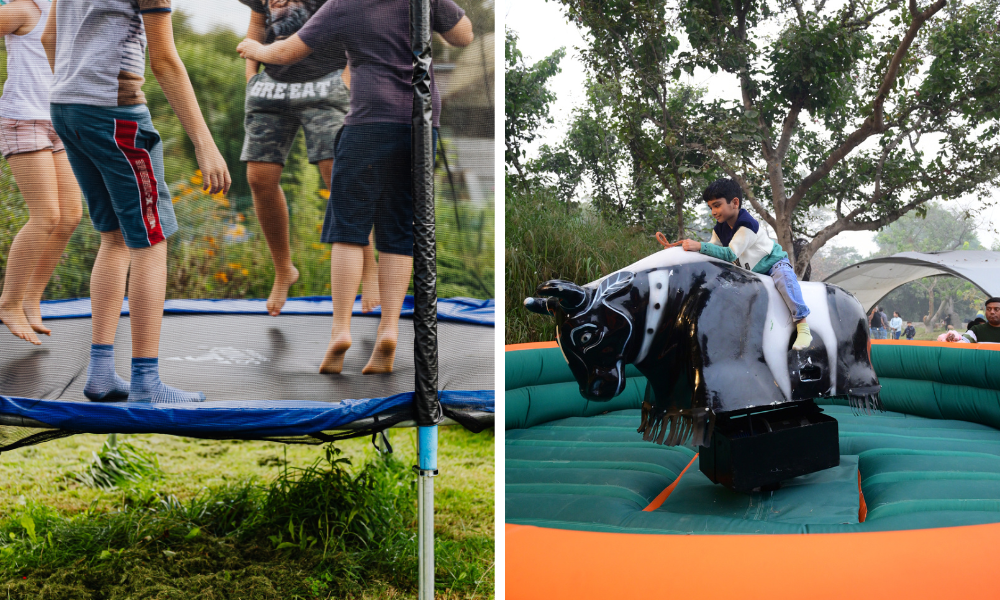
    They create breathing spaces within dense urban areas while also opening up a conversation around sustainability that does not feel forced or technical. Families, school groups, and casual visitors engage with these spaces naturally, without being told they are “learning” something.

    This is especially important in Indian cities, where environmental education often feels disconnected from everyday life. A park that quietly demonstrates reuse and creativity becomes far more effective than posters or classroom lectures.

    How Waste to Art Parks Influence Public Thinking?

    The power of these parks lies in subtle exposure. When people see large animal sculptures built from scrap metal or discarded industrial parts, it shifts their understanding of waste.

    They begin to notice patterns:

    • Waste is not always useless
    • Design can change perception
    • Sustainability does not have to feel restrictive

    Over time, this exposure encourages people to question their own consumption habits. It does not preach or moralise. It simply presents an alternative way of thinking.

    Spaces like Jungle Trail Noida reflect this approach well. Visitors often come expecting a park experience and leave with a new perspective on reuse, without consciously realising how that shift happened.

    Learning Without Classrooms or Instructions

    One of the strongest advantages of a waste-to-art park is experiential learning. Children touch the sculptures, walk through installations, and ask questions naturally. Adults engage through curiosity rather than obligation.

    There are no boards telling visitors what to think. The environment itself becomes the teacher. This form of learning stays longer because it is associated with experience, not instruction.

    For families, this creates shared moments where conversations emerge organically. For schools, it offers an alternative to textbook-based environmental education. For cities, it becomes a low-pressure way to build awareness at scale.

    Waste to Art Parks Versus Traditional Parks

    Traditional parks offer greenery and open space, which are essential. A Waste to Art Park like Jungle Trail Noida adds another layer by combining recreation with purpose.

    Instead of standard play equipment alone, visitors encounter:

    • Animal Sculptures with stories
    • Art forms created from familiar discarded materials
    • Spaces that invite reflection as well as relaxation

    This does not replace traditional parks. It complements them by adding cultural and educational depth.

    The Role of Design and Storytelling

    A successful waste-to-art park is not just about using scrap materials. Design and storytelling play a crucial role. Each installation needs intention. Each sculpture needs context, even if it is not explicitly explained.

    When done well, visitors sense coherence rather than chaos. The park feels curated, not cluttered. This distinction separates impactful projects from those that look like random scrap assemblies.

    At Jungle Trail Noida, for instance, storytelling is woven into the experience itself. The layout, the sculptures, and the flow of movement all contribute to how visitors interpret the space, without overwhelming them with information.

    Why Cities Should Invest in More Such Spaces

    Why Cities Should Invest in More Such Spaces?

    Waste-to-art parks offer long-term value beyond aesthetics. They:

    • Reduce landfill pressure by reusing materials
    • Create educational public spaces without heavy infrastructure
    • Encourage community engagement
    • Improve urban livability

    Most importantly, they humanise sustainability. Instead of being a distant policy goal, it becomes something people can see, touch, and relate to.

    For growing cities struggling to balance development with environmental responsibility, this model offers a practical middle ground.

    A Quiet Shift in How We Build Public Spaces

    The future of urban recreation in India will not depend only on bigger malls or louder amusement parks. It will depend on spaces that slow people down, spark curiosity, and leave them thinking differently than when they arrived.

    Waste to art parks do exactly that. They turn what we throw away into something worth paying attention to. In doing so, they reshape not just landscapes, but mindsets.

    For visitors who wish to experience this idea in real life, places like Jungle Trail Noida offer a living example of how creativity, sustainability, and public space can come together naturally.

    Frequently Asked Questions

    1. Are waste-to-art parks like Jungle Trail Noida safe for children?

    Yes. Materials are cleaned, treated, and installed safely, making them suitable for children and families.

    2. Do waste-to-art parks actually reduce waste?

    They do not solve the waste problem alone, but they help reuse materials and spread awareness about reducing and segregating waste.

    3. How are waste-to-art parks different from museums?

    Museums are mostly indoor and focused on viewing. Waste to art parks are open spaces where people can walk, sit, and interact with the installations.

    4. Can these parks help educate local communities?

    Yes. They help people understand waste management in a simple, visual way, especially children and local residents.

    Conclusion

    As Indian cities continue to grow, the way we design public spaces will matter as much as how many we build. Waste to art parks show that sustainability does not always need complex systems or heavy messaging. Sometimes, a shift in perspective is enough.

    By transforming discarded materials into experiences people can walk through and connect with, these parks quietly challenge how we think about waste, creativity, and responsibility. They offer learning without lectures, awareness without pressure, and recreation with meaning.

    For cities searching for solutions that balance environmental concerns with community engagement, this model deserves serious attention. It proves that waste, when reimagined thoughtfully, can become a resource rather than a burden.

    👉 Visit Jungle Trail Noida and experience how waste turns into art, nature, and unforgettable family moments.

    Call to Action of Jungle Trail