Tag: waste to wonder art

  • How Animal Sculpture Parks Teach Kids About Wildlife Without Harming Animals

    How Animal Sculpture Parks Teach Kids About Wildlife Without Harming Animals

    Imagine taking your children on a journey across the African savannahs, Asian jungles, and American forests—all without leaving Delhi NCR and without a single animal in captivity. It may sound impossible, but at Jungle Trail Noida, India’s largest animal sculpture park, this is a reality.

    In today’s urban environment, children have limited opportunities to interact with wildlife. Screens dominate their lives, concrete replaces greenery, and weekends often feel repetitive. Parents struggle to find recreational spaces that are fun, educational, and ethical. That’s where animal sculpture parks come in—a place where art, learning, and sustainability intersect to create experiences children remember for a lifetime.

    This blog explores how these parks teach kids about wildlife, why they’re becoming the preferred choice for families, and why Jungle Trail sets a new benchmark for ethical and educational urban recreation.

    Why Traditional Zoos Aren’t Enough

    Zoos have long been the standard for families hoping to introduce children to wildlife. However, they come with limitations:

    • Ethical Concerns: Animals in captivity often experience stress, limited movement, and unnatural living conditions. Kids may enjoy seeing them, but at what cost?
    • Passive Learning: Watching animals behind bars does not encourage curiosity or understanding.
    • Limited Memory Retention: Studies show children learn best when experiences are hands-on, interactive, and story-driven.

    Families are increasingly seeking experiences that are engaging, educational, and ethical—spaces where children can explore, ask questions, and connect with nature safely.

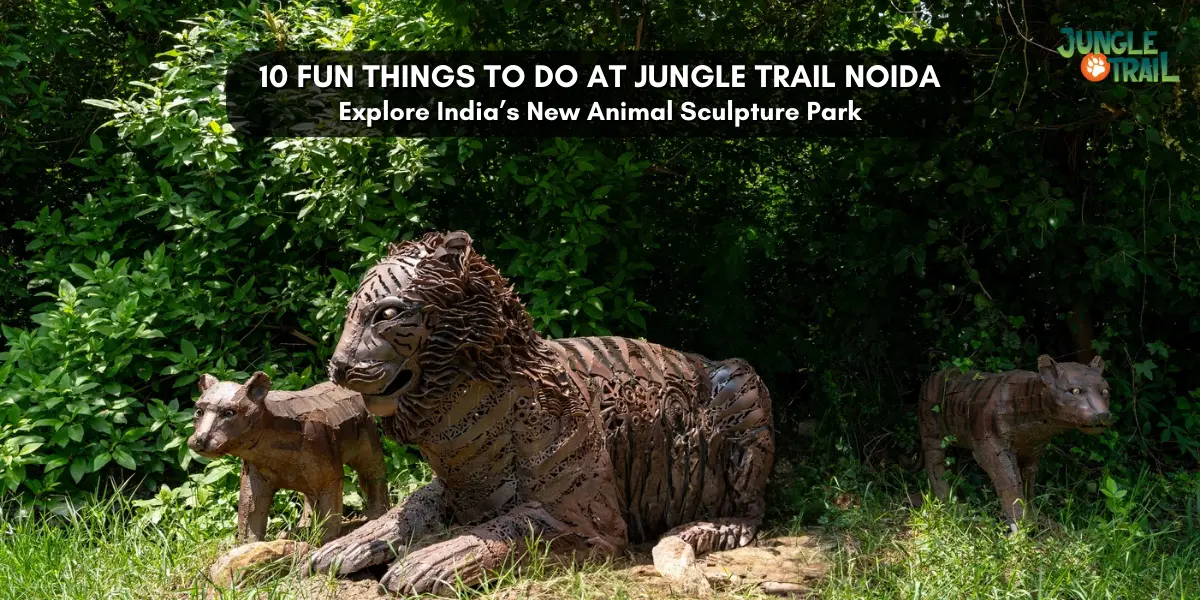
    Lion in Animal Sculpture Parks

    What Animal Sculpture Parks Offer

    Animal sculpture parks provide a unique solution. Instead of live animals, these parks use realistic sculptures and themed habitats to teach children about wildlife.

    • Lifelike Sculptures: Elephants, tigers, gorillas, and exotic birds are recreated in full scale, encouraging children to observe and compare.
    • Thematic Trails: Each zone represents a continent or ecosystem, from the African savannah to the Asian jungle to the forests of the Americas.
    • Sustainable Design: Sculptures are often made from recycled or upcycled materials, teaching children about environmental responsibility.

    These parks combine art, science, and play, allowing children to learn naturally and enjoyably, without harming animals.

    Walk, Explore, Wonder: Hands-On Wildlife Fun

    At Jungle Trail, children don’t just look—they interact. Walking along trails, touching sculptures, and observing details transforms simple sightseeing into active learning.

    • Children notice the stripes on a tiger, the tusks of an elephant, and the posture of a gorilla.
    • Safe climbing paths and observation decks allow kids to explore while staying physically engaged.
    • Parents can encourage observation, ask questions, and guide children to notice unique details in each sculpture.

    This hands-on approach ensures children retain information better than passive viewing and keeps them physically active while learning.

    Eagle in Jungle Park

    Learning About Animals Through Play

    Each zone in the park tells a story about animals and their habitats:

    • Africa: Explore the savannah and understand predator-prey relationships. Children learn how lions hunt, elephants migrate, and giraffes feed.
    • Asia: Discover endangered species like tigers, orangutans, and Asian elephants. Learn how forests support biodiversity.
    • Americas: Walk through tropical rainforests and North American forests, observing bears, jaguars, and parrots.
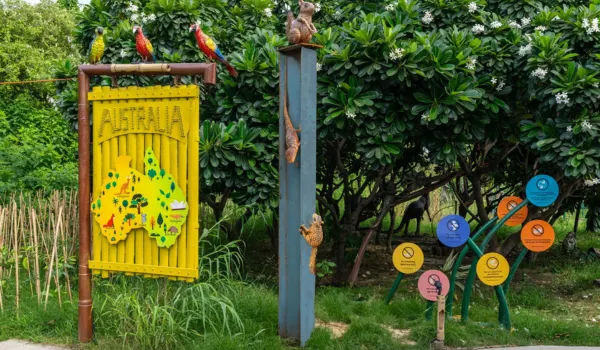
    • Australia: Explore marsupials, kangaroos, and unique reptiles in a safe, engaging environment.

    Children learn naturally by observing and asking questions, reinforcing understanding without feeling like a lesson.

    Activities That Spark Curiosity

    While the focus is on education and wildlife awareness, subtle activity elements enhance engagement:

    • Short climbing paths, rope trails, and observation decks encourage movement.
    • These are not thrill rides—they’re carefully integrated to support learning and exploration.
    • Kids discover habitats, compare species, and observe lifelike animal behaviors, all while being active.

    Even small activities like tracing an animal’s footprint or climbing to view a sculpture from above can reinforce curiosity and make learning memorable.

    Sustainability Lessons Through Art

    One of the most powerful lessons of animal sculpture parks is how humans can care for the planet while exploring wildlife.

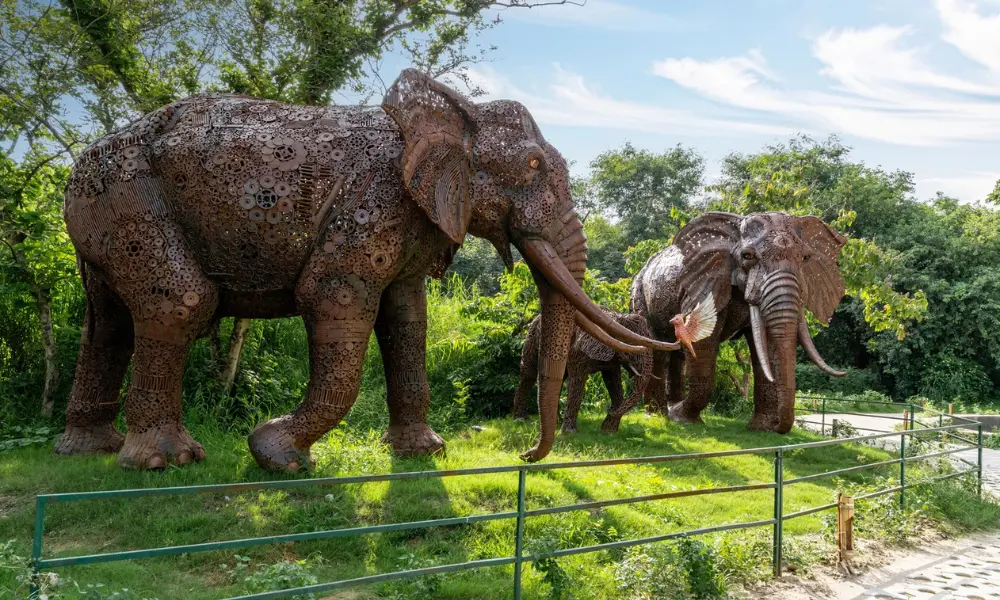
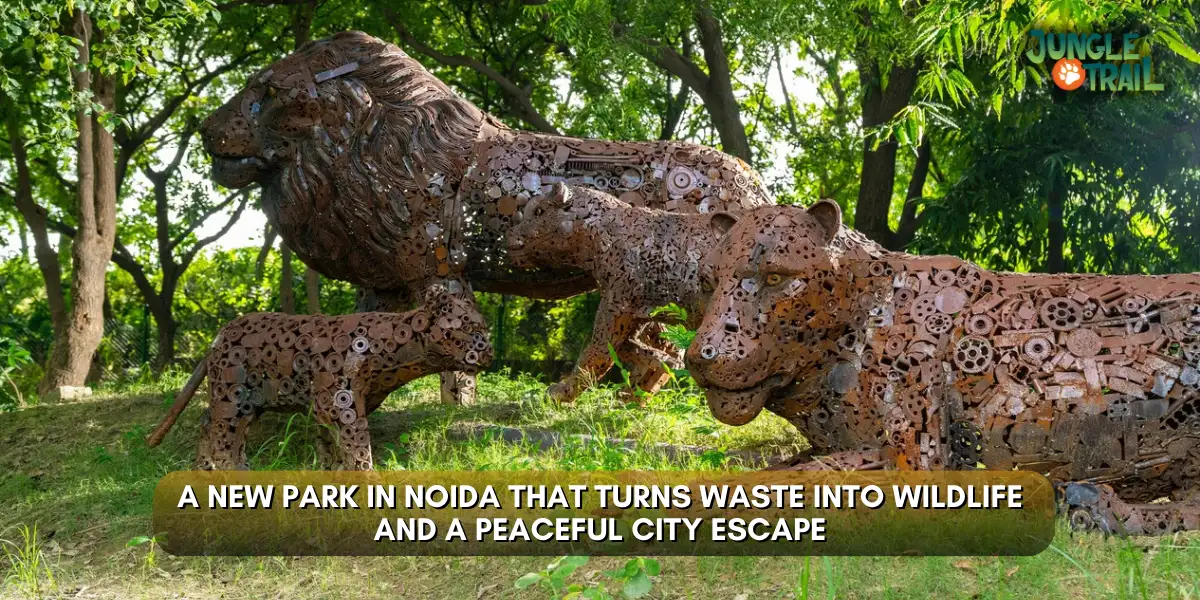
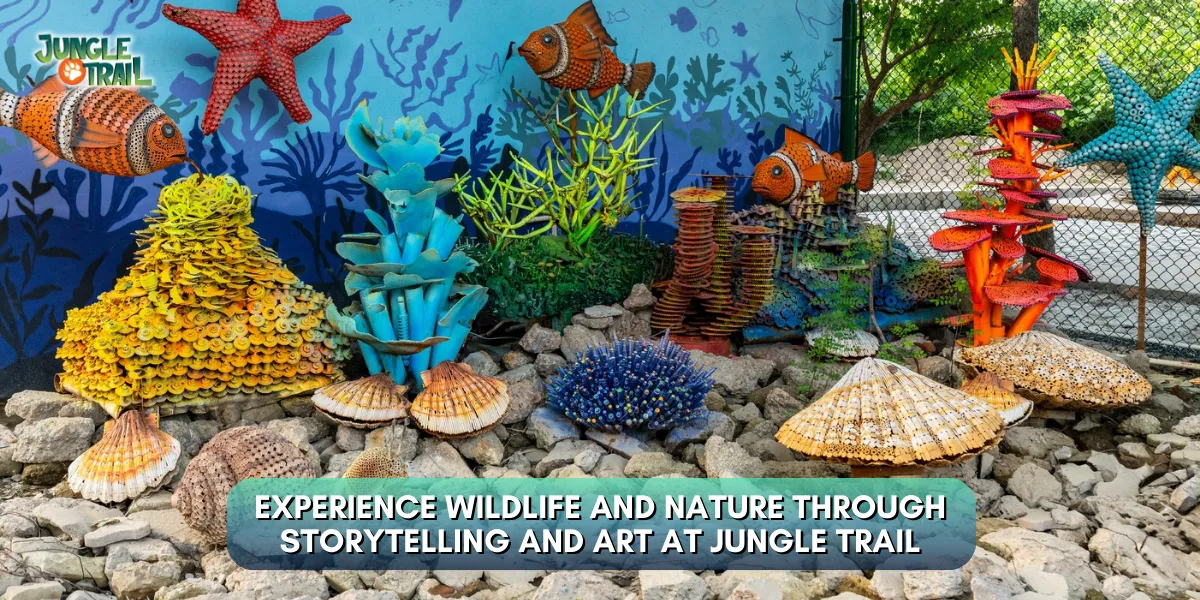
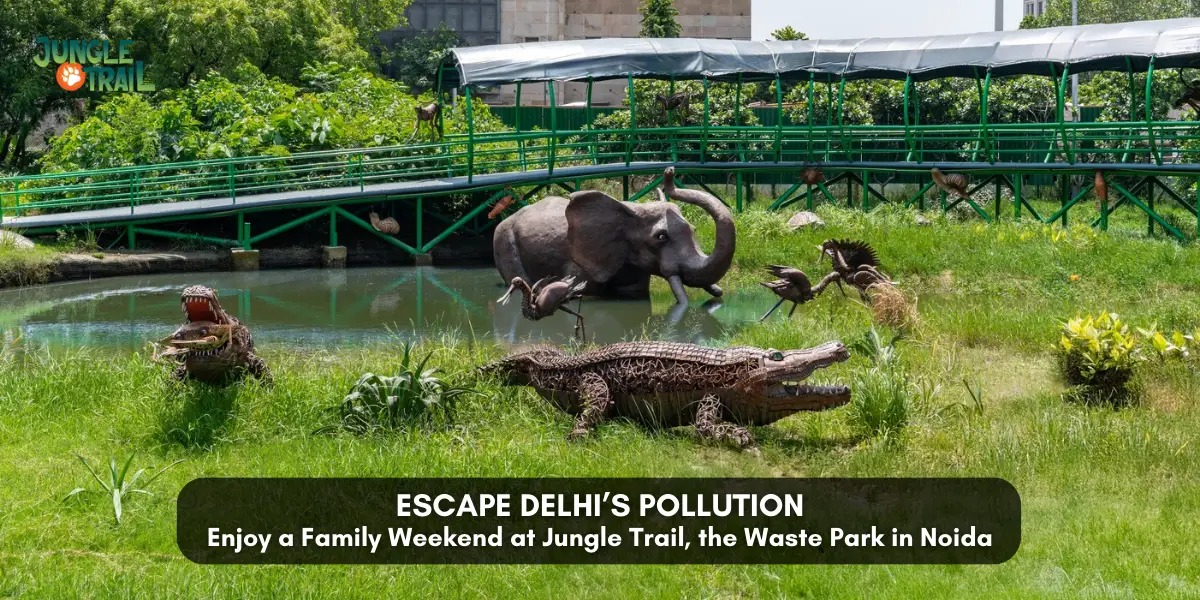
    • Waste-to-Art Sculptures: At Jungle Trail, over 500 tonnes of scrap metal have been transformed into more than 800 wildlife-inspired sculptures.
    • Environmental Awareness: Children learn how discarded materials can be reused creatively, reducing waste and conserving resources.
    • Conservation Education: Sculptures and themed zones demonstrate the importance of protecting habitats and the broader ecosystem.

    By experiencing sustainability in action, children understand how everyday choices impact wildlife and the environment.

    Why Families Love Animal Sculpture Parks

    Animal sculpture parks provide multiple benefits for children and families:

    1. Safe and Ethical: No animals are kept in cages. Children enjoy wildlife responsibly.
    2. Educational: Children learn about species, habitats, and ecosystems through observation and interactive zones.
    3. Creative & Engaging: Sculptures, themed trails, and small activities encourage imagination and critical thinking.
    4. Family Bonding: Shared discovery strengthens parent-child relationships.
    5. Physical Activity: Walking trails and gentle adventure elements promote movement and wellness.

    These parks meet the modern family’s needs for fun, learning, and ethical recreation.

    Animals in Jungle Park

    A Day at Jungle Trail: Where Learning Meets Adventure

    Stepping into Jungle Trail Noida feels like leaving the city behind. Located in Sector 94, Noida, this 20-acre wonderland invites families to wander, discover, and imagine. Every corner tells a story, from the rustle of the leaves to the lifelike animals crafted entirely from recycled materials.

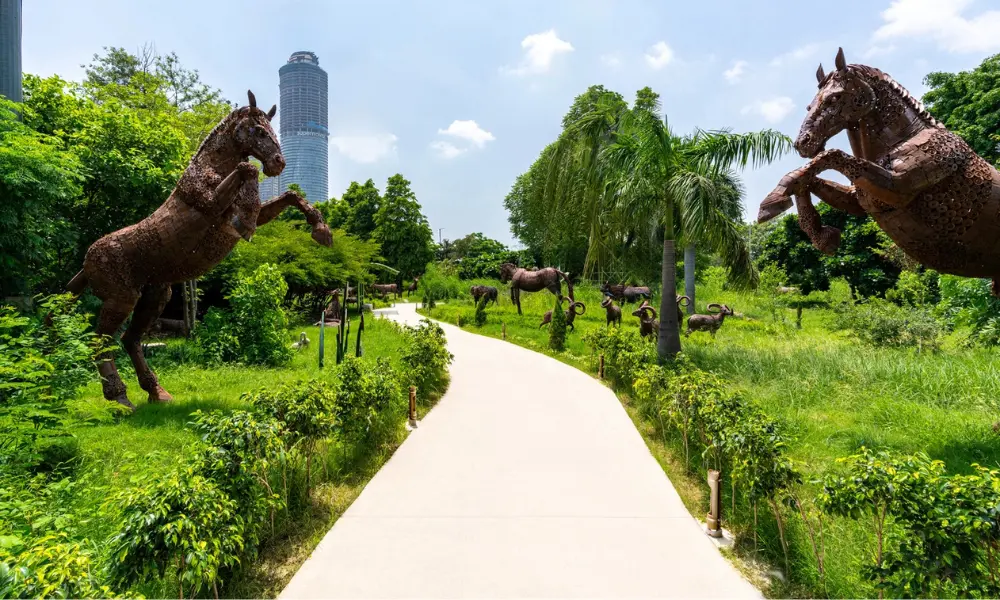
    Here, over 800 sculptures bring wildlife to life in a way that’s safe, ethical, and full of wonder. Children can lean in to inspect the stripes of a tiger, gaze up at a towering elephant, or spot a family of monkeys frozen mid-leap—all without any cages or barriers.

    The park isn’t just about looking—it’s about exploring and discovering at your own pace. Gentle trails, observation decks, and subtle activity areas let kids climb, peer, and investigate without fear or pressure. Every step sparks curiosity, conversation, and sometimes laughter.

    When it’s time to rest, families can relax in shaded picnic zones or enjoy a snack at the café, making it easy to spend an entire day immersed in creativity, nature, and learning.

    Whether you’re planning a school outing, a weekend family adventure, or a solo exploration with your little ones, Jungle Trail provides an experience that blends education, excitement, and environmental responsibility. Children leave not just entertained, but inspired—aware of the world’s wildlife and how we can protect it.

    Tips for Parents and Families

    • Best Visiting Times: Weekends or school holiday periods for maximum engagement
    • Planning School Trips: Combine educational workshops with exploration of each ecosystem zone
    • Encourage Questions: Parents can guide children to observe, compare, and learn about animal behaviors
    • Combine With Local Travel: Pair the park visit with other Delhi NCR attractions for a full day of family learning

    These tips make visits fun, stress-free, and educational.

    Frequently Asked Questions

    1. How are animal sculpture parks different from zoos?

    Sculpture parks teach children about animals and ecosystems without using live animals. Ethical education and hands-on learning are the main focus.

    2. Are these parks suitable for all ages?

    Yes! Trails, sculptures, and gentle activity zones engage toddlers, school-age children, and even adults

    3. How do children learn about conservation?

    Through observation, interactive zones, and sculptures made from recycled materials, children learn the importance of sustainability and protecting habitats

    4. Can families spend a full day there?

    Absolutely. Amenities like shaded picnic areas, cafés, and themed trails make Jungle Trail ideal for a day-long family outing.

    Conclusion: A New Way to Explore Wildlife

    What if your child could meet the wild—without cages, without fear, and without harm?
    That’s exactly what animal sculpture parks like Jungle Trail Noida make possible.

    Here, nature isn’t something you look at from a distance. It’s something your child walks through. Life-like animal sculptures spark instant curiosity. Little feet slow down. Big questions begin. Where do they live? What do they eat? Why do they matter? Learning happens naturally—through wonder, not worksheets.

    It’s adventurous, but safe. Exciting, yet calm. Every path invites exploration while quietly teaching respect for wildlife, habitats, and the planet we share. Sustainability isn’t a lesson here—it’s an experience your child feels and remembers.

    And the best part? You’re in it together. Laughing. Discovering. Talking. Creating memories that last far longer than a screen ever could.

    So ask yourself—when was the last time a weekend truly inspired your child?

    Take them to Jungle Trail, Noida.
    Let them explore. Let them ask. Let them grow.
    Plan your visit and turn a simple day out into a meaningful adventure

  • Why Waste-to-Art Parks Like Jungle Trail Noida Are Better Than Traditional Zoos

    Why Waste-to-Art Parks Like Jungle Trail Noida Are Better Than Traditional Zoos

    Urban recreation and wildlife education are evolving rapidly. Traditional zoos, once the standard for family outings and school trips, are increasingly questioned for animal welfare, ethical concerns, and limited educational impact.

    Waste-to-art parks, such as Jungle Trail Noida, offer an innovative alternative. By transforming industrial scrap into life-sized wildlife sculptures, these parks provide immersive learning experiences, promote sustainability, and deliver safe, engaging, and memorable recreation for children, students, and families.

    This blog explores why waste-to-art parks are superior to traditional zoos, highlighting ethical considerations, environmental benefits, educational value, and the unique experiences offered by Jungle Trail Noida.

    Why Traditional Zoos Are Facing Criticism

    While zoos have historical significance, their limitations are becoming increasingly clear:

    A. Ethical Concerns

    • Animals often live in confined, unnatural habitats, which can cause stress and behavioral issues.
    • Captivity for entertainment raises moral and ethical questions, particularly for young visitors.
    • Families and educators are seeking alternatives that teach empathy and wildlife respect without exploitation.

    B. Limited Educational Value

    • Observing animals passively rarely leaves a lasting impression.
    • Traditional zoos offer minimal hands-on learning or interaction, making environmental lessons abstract.

    C. High Environmental Impact

    • Maintaining enclosures, feeding, and veterinary care consumes significant energy and resources.
    • Transportation of animals and visitors further contributes to the carbon footprint.

    D. Low Creativity and Engagement

    • Children are primarily spectators, not participants.
    • Few opportunities exist for problem-solving, innovation, or interactive learning.
    Eco-friendly waste-to-art parks promoting sustainability over traditional zoos

    The Emergence of Waste-to-Art Parks

    Waste-to-art parks are a modern, ethical solution for wildlife education and urban recreation.

    • Global Trend: Countries like Singapore, Germany, and Indonesia have embraced eco-friendly, educational parks.
    • Indian Pioneer: Jungle Trail Noida transforms over 500 tonnes of industrial scrap into 800+ wildlife sculptures across 20 acres.
    • Core Concept: Visitors experience wildlife through art, creativity, and sustainable installations, learning about ecosystems and recycling without harming animals.

    These parks act as living classrooms, offering hands-on, multi-sensory learning experiences that traditional zoos cannot provide.

    Why Waste-to-Art Parks Are Better Than Zoos

    A. Ethical Engagement

    • No animals in captivity; children learn wildlife empathy ethically.
    • Promotes modern ethical values aligned with environmental and animal welfare education.

    B. Eco-Friendly & Sustainable

    • Sculptures use recycled scrap metal, machinery, and automotive parts.
    • Demonstrates upcycling and resource conservation in a tangible way.
    • Lower environmental impact compared to traditional zoos.

    C. Engaging Multi-Sensory Learning

    • Children learn by seeing, touching, observing, and creating.
    • Connects classroom lessons on biodiversity, ecosystems, and recycling to real-life applications.

    D. Creativity & Problem-Solving

    • Sculptures spark imagination and curiosity.
    • Students understand how waste can be transformed into art, fostering innovation and critical thinking.

    E. Safe, Family-Friendly Environment

    • Open spaces, monitored adventure zones, and picnic areas.
    • Children explore actively and safely, unlike stressful animal enclosures.

    F. Lower Environmental Impact

    • Avoids energy-intensive animal care.
    • Supports sustainable urban recreation practices.

    Jungle Trail Noida: India’s Flagship Waste-to-Art Eco Park

    Jungle Trail Noida exemplifies a world-class waste-to-art park.

    Key Features

    Scrap-Art Wildlife Sculptures

    • Life-sized lions, tigers, elephants, giraffes, penguins, and dinosaurs.
    • Made entirely from recycled metal and industrial scrap.

    Educational Signage & Eco-Trails

    • Explains species, ecosystems, conservation, and recycling.
    • Guides students through biodiversity and sustainability lessons.
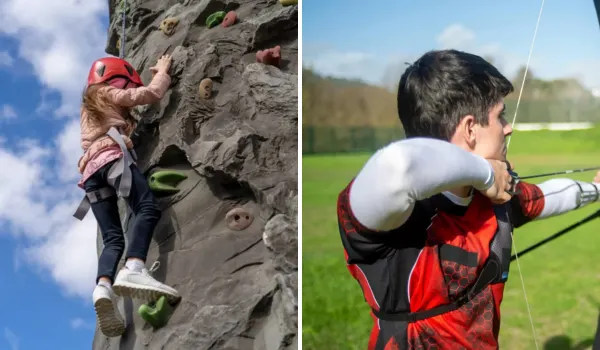
    Man practicing archery and woman boating at an outdoor adventure park

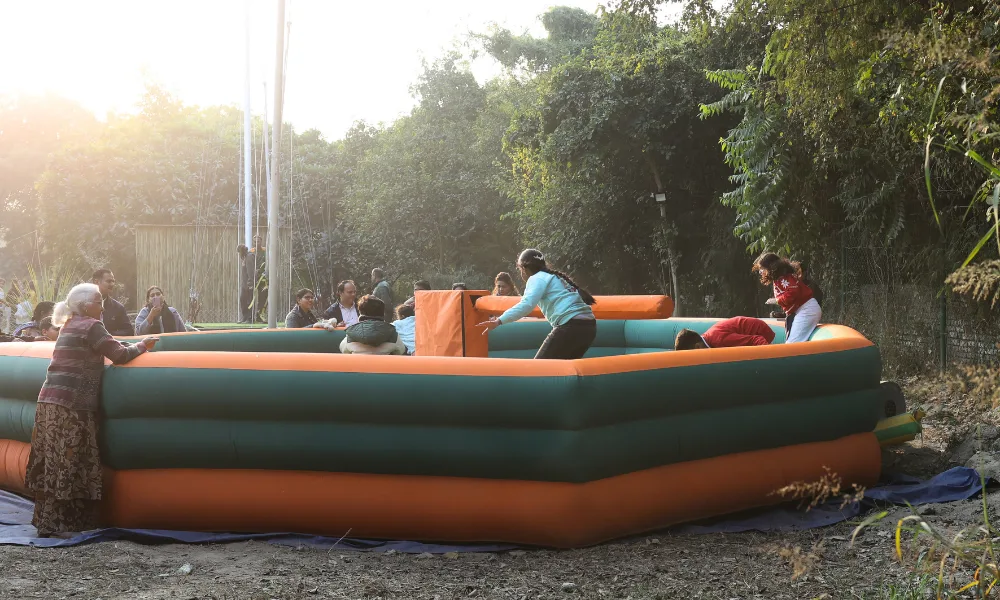
    Adventure & Activity Zones

    • Rocket Ejector (₹250, 1-time)
    • Archery (₹100)
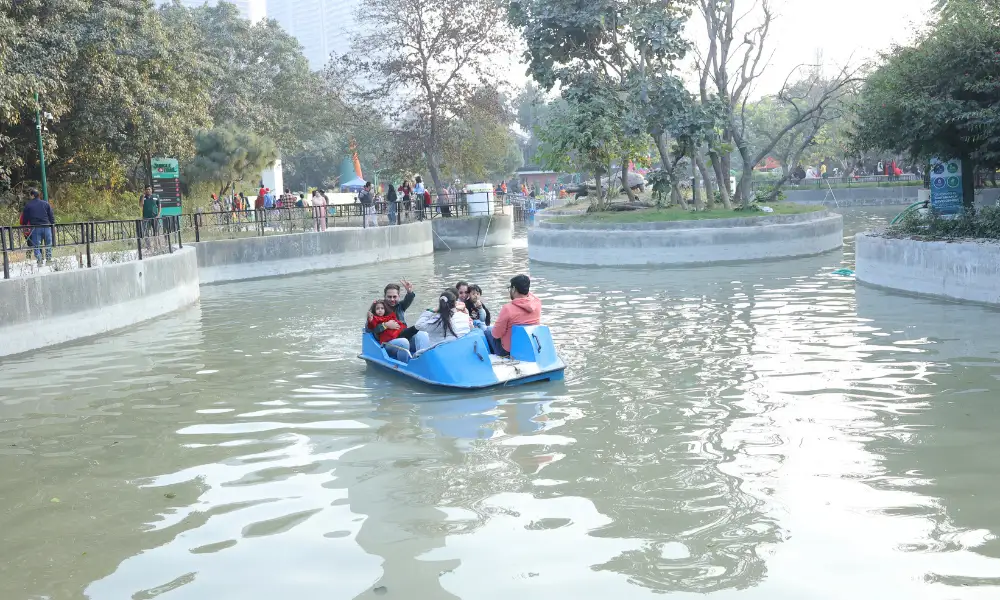
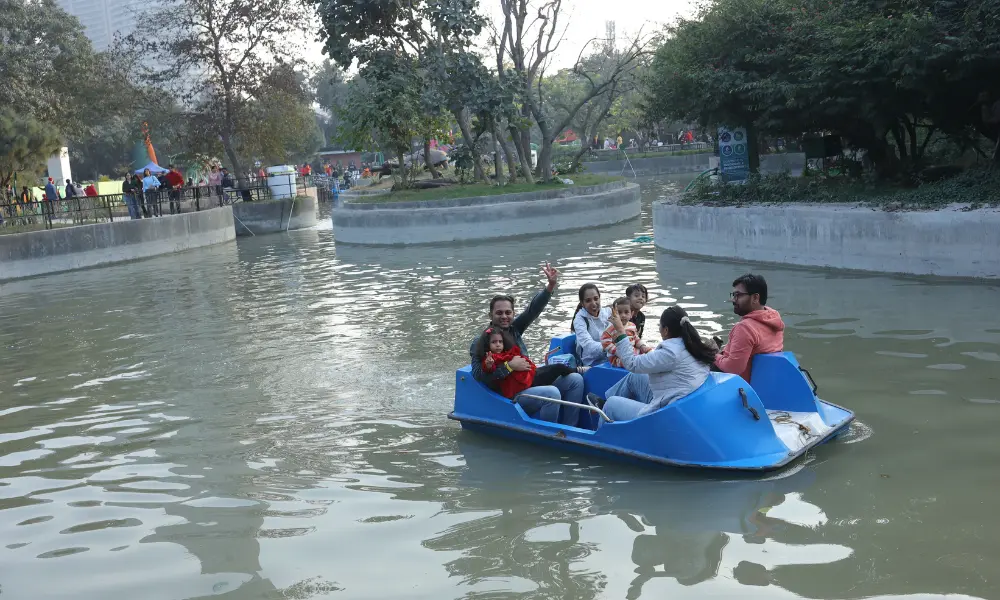
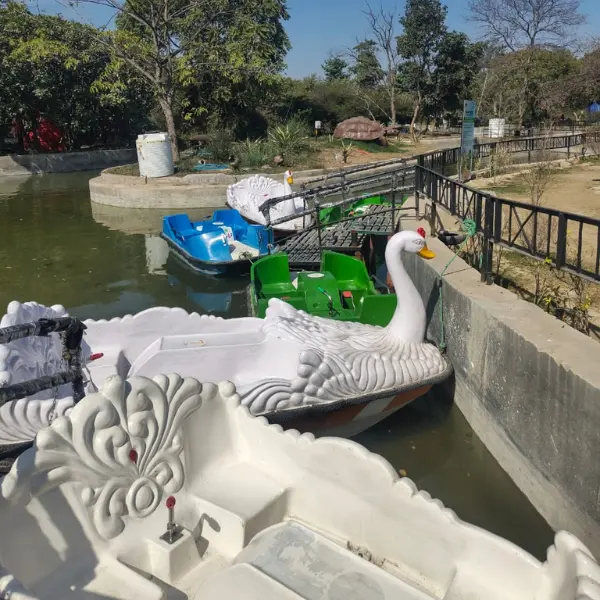
    • Long Boating (₹500, 30 min)
    • Pressure Rocket (₹200)
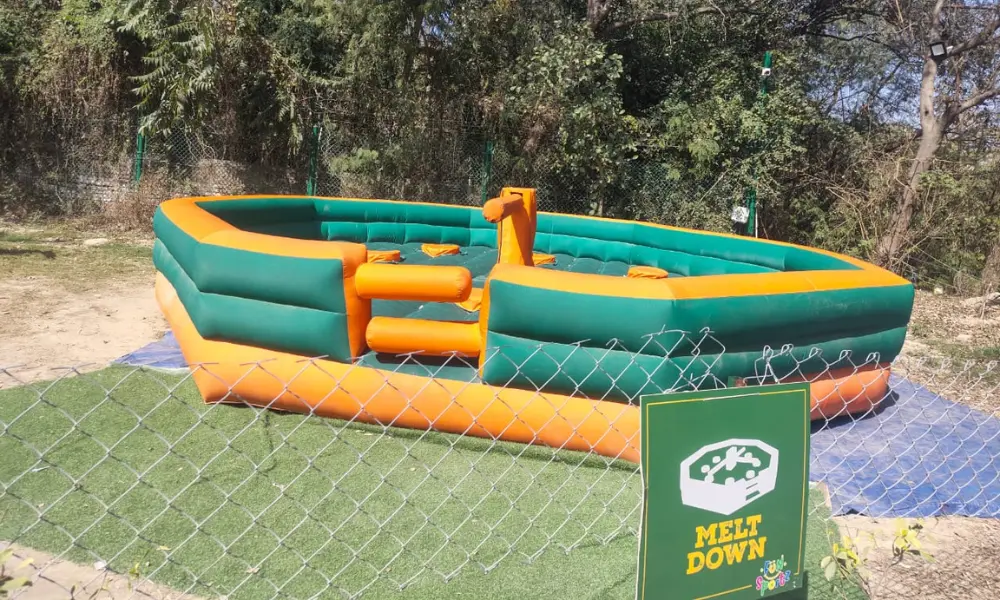
    • Melt Down (₹100)
    • Sport Climbing (₹100, per climb)
    • Bull Ride (₹100)
    • Water Roller (₹200, 15 min)
    • Boating (₹200, 10 min)

    Workshops & Interactive Learning

    • DIY recycled crafts
    • Composting demonstrations
    • Eco-games
    • Guided biodiversity walks

    Picnic & Reflection Areas

    • Journaling and sketching spaces
    • Family discussions for practical learning reinforcement

    This combination of art, adventure, and education sets Jungle Trail apart from any traditional zoo.

    Benefits for Students and Families

    Hands-On Learning Opportunities

    1. Scrap-Art Exploration

    • Children observe how waste transforms into art.
    • Encourages critical thinking and environmental awareness.

    2. Nature Trails & Biodiversity Education

    • Connects classroom ecology lessons to real ecosystems.
    • Highlights local flora, insects, and wildlife.

    3. Eco-Workshops

    • DIY crafts, eco-games, and composting.
    • Develops creativity, problem-solving, and innovation.

    4. Adventure & Physical Learning

    • Climbing, boating, rope challenges, and walking trails.
    • Supports physical health, teamwork, and resilience.

    5. Reflection & Observation Zones

    • Journaling, sketching, and discussion spaces.
    • Improves critical thinking and memory retention.

    Why Jungle Trail is Great for Kids’ Development

    Better Thinking Skills: Hands-on activities help kids remember things and focus better.

    Love for the Environment: Early experiences with nature and recycling teach kids to care for the planet.

    • Boost Creativity: Turning scrap into art encourages imagination and new ideas.
    • Teamwork and Social Skills: Group activities help children communicate, work together, and understand others.
    • Stay Active: Walking, climbing, and playing outdoors keep kids healthy and energetic.
    • Screen-Free Fun: Kids learn and play without relying on phones or tablets.
    • Cognitive Development: Multi-sensory learning enhances memory and attention.
    • Environmental Awareness: Early exposure fosters lifelong sustainability habits.
    • Physical Health: Active engagement in trails and adventure zones.
    • Screen-Free Engagement: Reduces reliance on digital media for learning.

    Comparison: Traditional Zoos vs Waste-to-Art Parks

    FeatureTraditional ZooWaste-to-Art Park (Jungle Trail Noida)
    Animal WelfareCaptive animalsEthical, no animals used
    LearningPassive observationInteractive, multi-sensory
    EngagementLowHigh, full-day experience
    CreativityMinimalEncouraged through art & workshops
    Environmental ImpactHighLow, sustainable practices
    SafetyModerateHigh
    ActivitiesLimitedAdventure + eco workshops + creative zones

    Why Waste-to-Art Parks Outperform Zoos in Education

    • Visual Learning: Sculptures demonstrate recycling and wildlife conservation.
    • Hands-On Understanding: Children participate in eco-art, composting, and interactive trails.
    • Emotional Impact: Positive inspiration replaces sadness or ethical concerns.
    • Social Skills: Collaboration through workshops and adventure activities.
    • Holistic Development: Cognitive, creative, physical, and emotional growth combined.

    Ideal for School Trips & Educational Outings

    Waste-to-art parks offer curriculum-aligned learning opportunities:

    • Waste management & recycling
    • Art & design thinking
    • Environmental science & conservation
    • Biodiversity & ecology lessons
    • Holistic student development

    Jungle Trail Noida is a popular destination for CBSE, ICSE, IB, and Montessori schools, combining education, adventure, and safety.

    FAQs: Understanding Waste-to-Art Parks

    Q: Why are waste-to-art parks better than traditional zoos?

    A: They provide ethical, sustainable, and interactive learning experiences without harming animals.

    Q: How do children learn about recycling?

    A: Through scrap-art sculptures, workshops, composting, and guided eco-trails.

    Q: Are activities safe for children?

    A: Yes, Jungle Trail ensures monitored adventure zones and secure play areas.

    Q: Which age group benefits most?

    A: Children aged 5–15, with younger children supervised during guided activities.

    Q: Can schools organize trips to Jungle Trail?

    A: Yes, the park offers structured programs for school visits aligned with sustainability education.

    Practical Tips for Parents & Teachers

    • Schedule visits during cooler times of the day.
    • Introduce children to recycling, sustainability, and biodiversity concepts beforehand.
    • Pack water, hats, snacks, and notebooks for observation.
    • Encourage hands-on participation in workshops and activities.
    • Supervise adventure activities and follow park safety guidelines.

    Conclusion: The Future of Ethical Urban Recreation

    Waste-to-art parks represent the future of urban recreation, combining creativity, ethics, sustainability, and education.

    Jungle Trail Noida exemplifies this approach with:

    • 800+ life-sized recycled animal sculptures
    • Educational eco-trails and workshops
    • Adventure and outdoor learning activities
    • Safe, family-friendly reflection and picnic areas

    By choosing waste-to-art parks, children gain practical knowledge, holistic growth, and a lifelong appreciation for wildlife and the environment.

    Plan your visit to Jungle Trail Noida today and experience wildlife, creativity, and sustainability all in one unforgettable, eco-friendly destination.

  • How Eco Parks Help Students Understand Recycling and Sustainability

    How Eco Parks Help Students Understand Recycling and Sustainability

    In 2025, educating children about recycling, sustainability, and environmental responsibility has never been more important. With increasing screen time and digital distractions, traditional classroom lessons often fail to capture young learners’ attention. Parents and teachers are now seeking hands-on, immersive learning experiences that make sustainability tangible and engaging.

    Eco parks, like Jungle Trail Noida, are emerging as ideal venues for students to connect with nature, understand recycling, and develop a sense of environmental stewardship. These parks combine educational trails, interactive workshops, and creative activities that transform abstract concepts into memorable, practical experiences.

    Why Sustainability Education Matters for Students

    Teaching students about sustainability is no longer optional—it’s a critical skill for the next generation. Beyond memorizing facts about recycling, children need real-world experiences that show them the impact of waste, the value of conservation, and the importance of biodiversity.

    Key reasons for outdoor sustainability education:

    • Cognitive Development: Students retain concepts better when they engage with the material hands-on.
    • Environmental Awareness: Early exposure to eco-practices fosters lifelong responsibility.
    • Creativity and Problem-Solving: Activities like making art from recycled materials develop innovative thinking.
    • Social and Emotional Learning: Working in groups teaches collaboration, empathy, and communication skills.
    Map infographic of an eco parks showing recycling stations, sustainability zones, and educational areas

    The Role of Eco Parks in Learning

    Eco parks provide a living classroom where students can directly observe, interact with, and learn from the natural environment. Unlike traditional classrooms, these parks offer multi-sensory learning experiences that make sustainability real and fun.

    How eco parks teach recycling and sustainability:

    1. Scrap-Art Installations: Students explore life-sized animal sculptures made from recycled materials. Each sculpture demonstrates how waste can be transformed into something valuable, reinforcing the principles of reuse and upcycling.
    2. Composting Zones: Hands-on composting sessions show students how organic waste turns into nutrient-rich soil, helping them understand circular resource management.
    3. Interactive Signage: Eco trails include boards explaining local flora, fauna, and the effects of pollution, teaching students environmental responsibility in a simple, engaging way.
    4. Waste Segregation Demonstrations: Students learn to separate biodegradable and non-biodegradable waste, reinforcing habits they can apply at home and school.

    By combining visual, tactile, and intellectual learning, eco parks create experiences that students remember long after the visit.

    Key Activities for Students at Eco Parks

    1. Scrap Art Exploration

    • Students walk through trails featuring creative sculptures made from recycled materials.
    • Encourages critical thinking, imagination, and environmental awareness.

    2. Nature Trails and Biodiversity Learning

    • Guided walks teach students about native plants, insects, and wildlife.
    • Helps children connect classroom concepts to real-world ecosystems.

    3. Eco-Workshops

    • Activities like DIY recycled crafts, eco-games, and conservation projects.
    • Develops hands-on problem-solving skills and creativity.

    4. Outdoor Adventure and Physical Learning

    • Climbing, walking, and group activities promote physical health and coordination.
    • Reinforces teamwork, leadership, and resilience.

    5. Reflection and Observation Zones

    • Areas for journaling or sketching allow students to document observations and insights, enhancing learning retention.

    Health, Creativity, and Holistic Learning Benefits

    Eco parks deliver multidimensional growth for students:

    • Physical Fitness: Walking, climbing, and interactive trails promote active learning.
    • Cognitive Skills: Observing wildlife, understanding recycling, and participating in workshops improve attention, memory, and problem-solving.
    • Creativity: Transforming recycled materials into art stimulates imagination and innovation.
    • Social and Emotional Development: Working in groups fosters communication, empathy, and collaboration.
    • Screen-Free Engagement: Students experience real-world learning far beyond digital simulations.

    By providing a safe and engaging environment, eco parks help students develop holistic growth while fostering environmental responsibility.

    Case Study: Jungle Trail Noida

    Jungle Trail Noida is a premier example of an eco park combining learning, adventure, and sustainability.

    Highlights for Students:

    • Scrap-Art Wildlife Sculptures: Life-sized animal models made from recycled materials teach students about reuse and creativity.
    • Educational Signage and Guided Trails: Students learn biodiversity, waste management, and sustainability while exploring nature.
    • Adventure and Physical Activities: Safe rope trails, walking paths, and climbing areas support physical development.
    • Picnic and Reflection Areas: Families and students can relax while discussing lessons learned in a natural setting.

    Impact: Students leave with practical knowledge about recycling, environmental stewardship, and creativity, making their visit an immersive educational experience.

    Practical Tips for Teachers and Parents

    • Plan Ahead: Schedule visits during cooler parts of the day and arrange guided tours if available.
    • Prepare Students: Introduce recycling concepts and sustainability topics before the trip.
    • Packing Essentials: Water bottles, sun protection, hats, snacks, and notebooks for observations.
    • Encourage Participation: Let students document observations, create eco-art, or participate in composting activities.
    • Safety First: Supervise children during physical or adventure activities and follow park guidelines.

    FAQs: How Eco Parks Help Students Understand Recycling and Sustainability

    Q1: Which age group benefits most from eco park visits?

    A: Students aged 6–16 benefit most, though preschoolers can enjoy interactive trails with supervision.

    Q2: How do eco parks teach recycling effectively?

    A: Through hands-on activities, scrap-art projects, and waste segregation demonstrations, students learn recycling practically and memorably.

    Q3: Can schools organize group outings to eco parks?

    A: Yes, many eco parks, including Jungle Trail Noida, offer structured educational programs suitable for school trips.

    Q4: Are eco park activities safe for children?

    A: Absolutely. Guided trails, monitored adventure zones, and clean picnic areas ensure a safe and educational environment.

    Q5: How do eco park experiences compare to classroom learning?

    A: Eco parks provide hands-on, multi-sensory learning, which enhances retention and engagement far beyond traditional classroom lesson

    Conclusion

    Eco parks are transforming sustainability education for students in 2025. By combining scrap-art, nature trails, and interactive workshops, these parks create engaging, hands-on learning experiences that teach children about recycling, conservation, and environmental responsibility.

    Jungle Trail Noida exemplifies this approach, offering a perfect blend of adventure, creativity, and environmental education. Students gain practical knowledge, holistic growth, and memorable outdoor experiences, all while building a lifelong appreciation for the planet.

    Plan your next educational outing to an eco park and let students learn sustainability in a fun and effective way.

  • Kids Picnic Parks: Jungle Trail Noida – A Creative, Eco-Friendly Family Outing

    Kids Picnic Parks: Jungle Trail Noida – A Creative, Eco-Friendly Family Outing

    In today’s fast-paced digital age, weekends often become dominated by screens and TV for children. Parents in Delhi NCR are searching for safe, educational, and fun picnic parks for children that offer physical activity, creativity, and family bonding.

    Jungle Trail Noida, a leading kids picnic park, provides an extraordinary combination of eco-friendly outdoor adventure and hands-on learning. Here, children explore life-sized wildlife sculptures created from recycled scrap, while families enjoy picnic areas, adventure trails, and nature learning opportunities. Unlike traditional picnic parks, Jungle Trail is designed to stimulate creativity, environmental awareness, and physical engagement, all in a safe and interactive environment.

    Whether you are planning a weekend family outing, school excursion, or a creative learning day, Jungle Trail offers an immersive experience for kids of all ages.

    Eco-friendly animal sculpture made from recycled materials at Jungle Trail Noida

    Why Jungle Trail Noida Stands Out

    Jungle Trail Noida is not just another picnic park. Its unique waste-to-art sculptures, educational signage, and interactive learning zones make it a destination for exploration and creativity.

    Key Differentiators:

    • Scrap Art Sculptures: Children learn about recycling, sustainability, and wildlife while engaging visually and intellectually.
    • Educational Experiences: Informative trails and guided tours teach kids about biodiversity, ecosystems, and environmental responsibility.
    • Adventure Trails: Rope bridges, climbing zones, and small adventure challenges promote physical activity and coordination.
    • Eco-Friendly Design: Natural pathways, shaded picnic zones, and green lawns make the park safe and comfortable for families.

    By combining education, adventure, and creativity, Jungle Trail ensures that kids are physically active, mentally engaged, and emotionally connected—a stark contrast to passive digital leisure.

    Activities & Experiences at Jungle Trail

    1. Scrap Art Trail

    Children can explore life-sized animals and installations made entirely from recycled materials. This hands-on learning experience:

    • Teaches sustainability and environmental responsibility
    • Stimulates observation and creativity
    • Encourages discussion and curiosity about wildlife

    2. Nature Trails & Environmental Learning

    • Walk along guided trails showcasing native plants and small ecosystems
    • Observe birds, butterflies, and insects
    • Learn about conservation, biodiversity, and ecological balance

    3. Interactive Workshops

    • Occasional eco-art or craft workshops allow children to create small projects using recycled materials
    • Promotes problem-solving, innovation, and creativity

    4. Adventure & Physical Activities

    • Mini rope bridges, climbing walls, and obstacle trails
    • Safe zones for children to explore independently under supervision
    • Encourages motor skill development and physical fitness

    5. Family Engagement

    • Lawn games and storytelling areas encourage bonding and shared activities
    • Perfect for group picnics with both fun and educational components

    Food & Picnic Facilities

    Jungle Trail Noida provides a picnic park for kids with well-maintained areas and food options designed for families:

    • Shaded seating and lawn areas for comfortable picnics
    • Healthy, kid-friendly snacks and beverages at onsite kiosks
    • Spacious grounds to enjoy packed meals or organized outdoor activities

    Families can combine outdoor learning with relaxed dining, making weekends both fun and convenient.

    Health, Creativity & Learning Benefits

    Spending a day at Jungle Trail Noida offers measurable benefits beyond entertainment:

    Physical Health:

    • Walking trails, climbing zones, and open lawns improve fitness and coordination

    Cognitive & Creativity Growth:

    • Scrap art, nature trails, and interactive signage stimulate critical thinking and imagination

    Social & Emotional Development:

    • Collaborative activities strengthen communication, teamwork, and family bonding

    Screen-Free Immersion:

    • Children engage with hands-on learning, contrasting passive TV and screen time

    Overall: Jungle Trail promotes holistic development, combining fun, education, and wellness.

    Practical Tips for Families Visiting Jungle Trail

    • Best Visiting Time: Early morning or late afternoon for comfort and crowd management
    • Packing Essentials: Hats, water bottles, picnic mats, sunscreen, and a small first-aid kit
    • Safety Tips: Supervise toddlers during adventure activities, follow park signage
    • Plan Activities: Encourage scavenger hunts, sketching, and environmental observation
    • School or Group Outings: Reserve guided tours to maximize learning and fun

    FAQs: Jungle Trail Noida – An Eco-Friendly Picnic Park for Kids & Families

    Q1: Can toddlers enjoy the Jungle Trail?

    Yes, the park has safe pathways, shaded areas, and interactive sculptures suitable for young children.

    Q2: Are picnic areas clean and family-friendly?

    Absolutely. There are well-maintained lawns, shaded seating, and hygienic picnic zones.

    Q3: Can families participate in scrap-art activities?

    Yes, occasional workshops allow hands-on eco-art projects for children and parents alike.

    Q4: Is Jungle Trail suitable for educational school outings?

    Definitely. Guided trails and interactive signage provide curriculum-aligned learning experiences.

    Q5: How does Jungle Trail compare to TV or digital leisure?

    Children engage in physical activity, creative exploration, and environmental learning, offering holistic development far beyond passive screen time.

    Conclusion

    For parents seeking Picnic Parks for kids that combine creativity, learning, and outdoor adventure, Jungle Trail Noida is an ideal destination in Delhi NCR. Its scrap-art installations, eco-learning trails, adventure activities, and family-friendly facilities provide a screen-free, enriching experience for children and families alike.

    Plan your weekend outing to Jungle Trail Noida for a unique blend of fun, education, and holistic growth. Make this year’s family picnic more than just leisure—enjoy learning, creativity, and meaningful moments together at a picnic park.

  • From Waste to Wonder: How Scrap Transforms Into Wildlife Sculptures at Jungle Trail Noida

    From Waste to Wonder: How Scrap Transforms Into Wildlife Sculptures at Jungle Trail Noida

    When imagination meets sustainability, something extraordinary happens. Across India, a growing movement is redefining how we view waste, nature, and creativity. At the heart of this movement is the waste to Wonder Park, a unique concept where discarded materials are transformed into lifelike wildlife sculptures.

    Jungle Trail Noida stands out as a premier destination showcasing this idea. By blending eco-friendly art with outdoor adventure, it offers families, students, and nature lovers an immersive experience where learning, recreation, and creativity meet. Each sculpture, pathway, and installation demonstrates that waste can become meaningful when shaped with purpose.

    In this blog, we explore how scrap becomes wildlife art, why waste-to-art parks are gaining popularity across India, and what makes Jungle Trail Noida a must-visit waste-to-wonder park experience.

    The Rise of Waste-to-Art Parks: Where Sustainability Meets Creativity

    The idea of turning industrial scrap into public art and attractions has grown immensely over the last decade. Initially popular in cities like Delhi with global monuments made from scrap, the concept now includes wildlife sculptures, educational installations, and family-friendly parks.

    Why These Parks Are Gaining Popularity

    1. Growing Environmental Awareness
      People want destinations that combine fun with learning. A waste-to-wonder park provides a hands-on way to understand recycling, sustainability, and conservation.
    2. Educational Value for Children
      Schools are now taking students to parks where lifelike wildlife sculptures bring concepts like upcycling and waste management to life, making environmental education exciting, memorable, and truly impactful.
    3. Preference for Nature-Based Outings
      Families and groups seek open-air, eco-friendly alternatives to conventional indoor venues. The natural environment of these parks provides a refreshing experience.
    4. Artistic and Engineering Appeal
      These larger-than-real wildlife sculptures offer a unique experience, blending the beauty of nature with artistic creativity and technical mastery.
    Turtle sculpture made from recycled scrap materials at Jungle Trail Noida

    How Scrap Transforms Into Wildlife Sculptures

    Every wildlife sculpture at a waste-to-wonder park starts with imagination, creativity, and precise engineering. From discarded scrap to lifelike wildlife sculptures, each piece tells a story of sustainability, art, and innovation—capturing both hearts and minds. Here’s how scrap becomes lifelike wildlife art:

    1. Sourcing Scrap Materials

    Commonly used materials include:

    • Bicycle chains
    • Car parts
    • Nuts, bolts, and gears
    • Abandoned industrial scrap
    • Mild steel rods
    • Metal sheets

    These items would otherwise end up in landfills, but when repurposed, they contribute to sustainability while creating visual impact.

    2. Concept Designing and Blueprint Creation

    Artists begin by:

    • Studying animal anatomy
    • Selecting realistic poses
    • Planning life-size proportions
    • Determining weight distribution

    A precise blueprint ensures the sculpture is stable, accurate, and visually striking, making the park’s displays exceptional.

    3. Structural Building: Welding and Shaping Scrap

    The construction stage involves:

    • Cutting and shaping scrap
    • Welding parts together
    • Forming contours and muscle structures
    • Adding layers for depth and detail

    Chains, gears, and rods are cleverly used for texture, joints, and support, with some sculptures taking weeks to complete.

    4. Finishing, Polishing, and Coloring

    To ensure durability and aesthetic appeal:

    • Sharp edges are polished
    • Weather-resistant paints are applied
    • Textures are refined
    • Protective coatings are added

    This makes the wildlife sculptures long-lasting outdoor installations that impress visitors year-round.

    Exploring Jungle Trail Noida: Wildlife Reimagined Through Scrap

    Jungle Trail Noida combines eco-art with outdoor adventure, making it a complete eco-adventure destination. Visitors can enjoy:

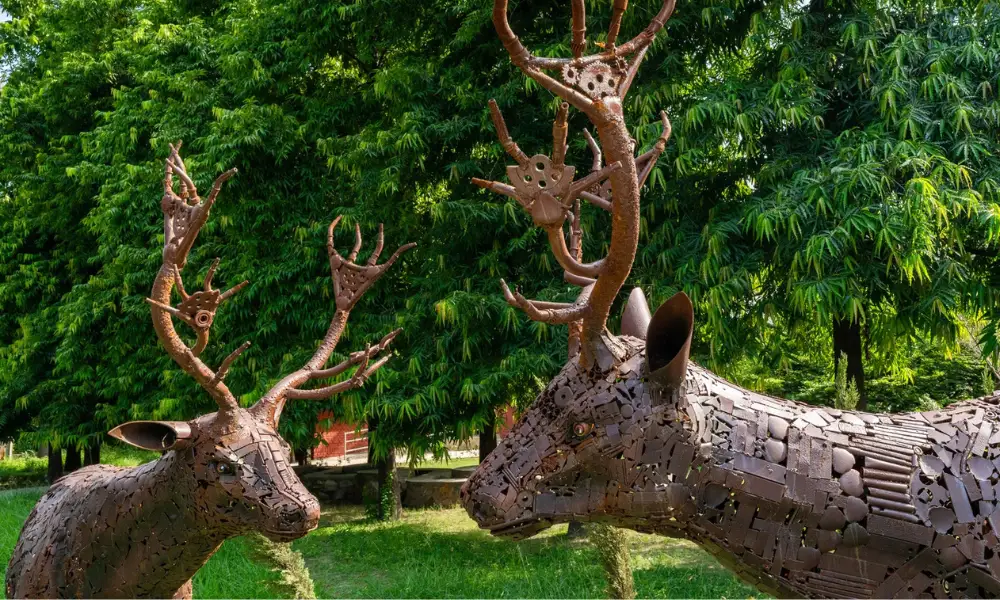
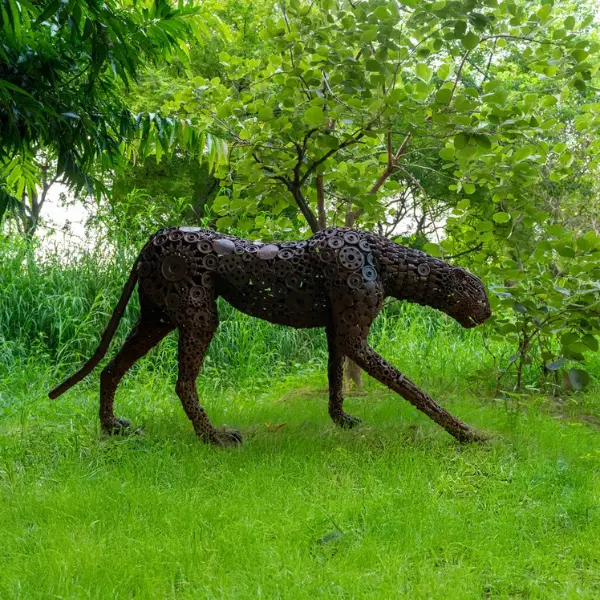
    • Life-Size Wild Animals: Lions, tigers, deer, and more sculpted from scrap metal.
    • Bird Sculptures: Flying or perched birds crafted in intricate detail.
    • Reptiles and Forest Creatures: Small and large animals shaped with precision.

    Each installation educates visitors about wildlife, conservation, and sustainable creativity.

    Peacock and peahen sculptures made from recycled scrap at Jungle Trail Noida

    Why Waste-to-Art Parks Matter: Impact Beyond Aesthetics

    Waste to wonder parks serve a purpose beyond beauty:

    1. Promoting Sustainability – Demonstrates how discarded materials can be reused meaningfully.
    2. Inspiring Creativity – Encourages children and adults to see waste as a resource.
    3. Supporting Local Artists – Provides a platform for artisans and fabricators to showcase skills.
    4. Changing Perceptions About Waste – Shifts how
      people view junk, fostering innovation and responsibility.

    Jungle Trail Noida: More Than Just a Waste-to-Wonder Park

    Jungle Trail Noida is not just about wildlife sculptures—it combines eco-art with adventure, making it ideal for recreation, learning, and family outings.

    • Nature Trails and Learning Paths: Explore scenic walkways with environmental education.
    • Boating Experiences: Fun for families and couples alike.
    • Rope Adventure Activities: Challenge yourself with courses suited for all ages.
    • Archery Zones: Skill-based fun for kids and adults.
    • Picnic and Family Areas: Relax and enjoy green open spaces.

    This combination makes Jungle Trail Noida a truly unique eco-adventure destination.

    Visitor Guide: Tips for a Memorable Trip

    Best Time to Visit:

    • Winter season
    • Early mornings or late afternoons
    • Weekdays for quieter visits

    What to Carry:

    • Comfortable footwear
    • Water bottles
    • Sun protection
    • Camera for photography

    Ideal For:

    • Families and tourists
    • Educational trips
    • Nature lovers and adventure seekers

    FAQs: Everything You Need to Know

    1. How are wildlife sculptures created?

    By collecting scrap, designing blueprints, welding metal parts, and applying finishing layers.

    2. Is Jungle Trail Noida more than a Wildlife sculpture park?

    Yes. It is an eco-adventure destination with boating, archery, nature trails, and rope courses.

    3. Is it suitable for children?

    Absolutely. Educational and fun outdoor activities make it perfect for kids.

    4. How is it different from a regular amusement park?

    It blends eco-art, nature, sustainability, and adventure in one space.

    Conclusion: Where Waste Truly Becomes Wonder

    Waste-to-wonder parks represent the future of eco-friendly recreation. They show that discarded materials can be transformed into meaningful art that educates, inspires, and entertains.

    Jungle Trail Noida exemplifies this movement, combining wildlife sculptures, adventure activities, nature trails, and picnic zones. Whether it’s a family outing, a school trip, or a leisure day, this park offers an engaging and impactful experience where sustainability meets creativity—and where waste truly becomes wonder.

    Plan your visit to Jungle Trail Noida and experience how creativity, conservation, and adventure come together. Discover a destination where waste transforms into wonder and every visit inspires sustainable thinking.