Category: scrap art animals

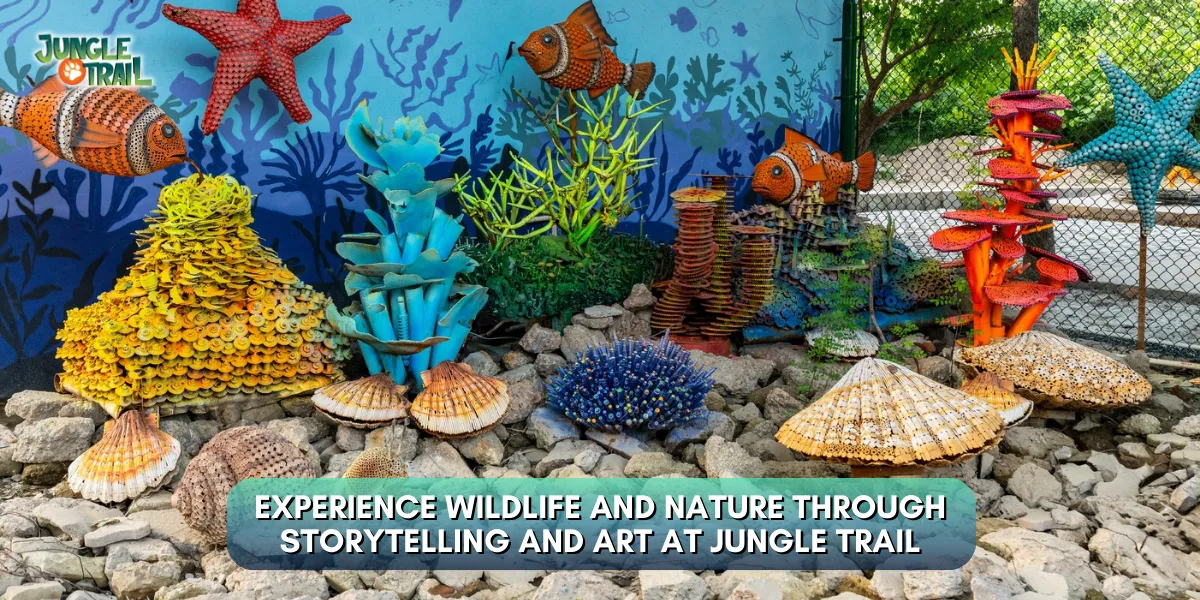
  • Experience Wildlife and Nature Through Storytelling and Art at Jungle Trail

    Experience Wildlife and Nature Through Storytelling and Art at Jungle Trail

    Have you ever wished your child could walk among wildlife from every corner of the world without leaving Delhi NCR? Most parks are packed with slides, swings, and crowds, but after a few hours, children often remember nothing but noise, sugar, and stress. For parents, finding a weekend outing that is calm, educational, and truly memorable can feel impossible.

    That is where Jungle Trail transforms the ordinary into something extraordinary. Spread over 20 acres, this waste-to-art park and eco nature park is a world of discovery and imagination. Children wander through over 700 life-size animal sculptures, each carefully crafted from 500 tonnes of industrial scrap, turning what was once waste into wonder. From the mighty elephants and lions of Africa to the stealthy tigers and rhinos of Asia, the playful kangaroos and cuddly koalas of Australia, the bears and wolves of North America, the llamas of South America, and even the penguins and polar bears of icy regions, every sculpture tells a story. Here, art, wildlife, and learning come together to create an adventure that is calm, immersive, and unforgettable for the whole family.

    How Storytelling from Waste Brings Wildlife to Life

    Storytelling at Jungle Trail is more than simply talking about animals. It is about bringing wildlife to life in a child’s imagination, turning each encounter into a memorable lesson. Every sculpture tells a story — where the animal lives, what it eats, and how it survives in its natural habitat. Standing before a towering elephant made from recycled metal or a penguin crafted from old machinery, children begin asking questions, imagining entire ecosystems, and remembering facts almost effortlessly.

    The beauty of this approach is that it engages children without screens or pressure, helping them develop focus, curiosity, and observation skills. Parents notice the difference immediately: instead of rushing through rides, children pause, explore details, and reflect on what they see. Storytelling here becomes a bridge between fun and learning, nurturing empathy for animals, understanding of global ecosystems, and an appreciation for conservation. Beyond knowledge, it sparks creativity and critical thinking, showing children that even discarded materials can be transformed into art and purpose, making every visit a unique and enriching experience for the whole family.

    A Journey Across Continents: Explore Wildlife Worldwide

    A Journey Across Continents: Explore Wildlife Worldwide

    Jungle Trail is more than a park. It is a mini world tour of wildlife, organized into distinct zones inspired by global habitats:

    • Africa: Lions, elephants, giraffes, and zebras roam the savannah zones. Children can see predator-prey interactions, herd behavior, and savannah survival.
    • Asia: Tigers, rhinos, and Asian elephants inhabit jungle-inspired areas. Kids learn about rainforest ecosystems and conservation efforts for endangered species.
    • Europe & North America: Bears, deer, and wolves showcase temperate forests, teaching about seasonal adaptation, hibernation, and food chains.
    • Australia: Kangaroos, koalas, and wombats introduce unique marsupial life and desert-adapted wildlife.
    • South America: Llamas, tropical forest animals, and exotic birds highlight rainforests and the Amazon.
    • Polar regions & Oceans: Penguins, polar bears, and marine life like whales and turtles illustrate icy and marine ecosystems, showing how animals adapt to extreme climates.

    Each continent zone is carefully designed to immerse children and families in the feel of that environment. Children can walk, touch, observe, and learn, while parents enjoy a calm pace and shaded resting areas.

    700 Sculptures and Sustainable Art Built  from Waste 

    700 Sculptures and Sustainable Art Built  from Waste 

    One of Jungle Trail’s most remarkable aspects is its use of over 500 tonnes of recycled materials. Fuel tanks, gears, chains, nuts, and bolts are transformed into amazing sculptures, benches, gazebos, and even lighting fixtures. Families see firsthand how waste can become art, creativity, and learning opportunities.

    The park is a living example of sustainability in action. Children learn that discarded materials can have new life and purpose, subtly teaching lessons about conservation, creative reuse, and environmental responsibility. At night, eco-friendly lighting brings the park to life, offering a calm night safari experience where animals seem to move with the shadows.
    Activities That Make Learning Fun and Calm

    Activities That Make Learning Fun and Calm

    Activities like Rocket Ejector, Pressure Rocket, and Zorbing bring bursts of controlled excitement. Children feel the thrill of motion while staying safe, building confidence, and discovering how fun meets focus.

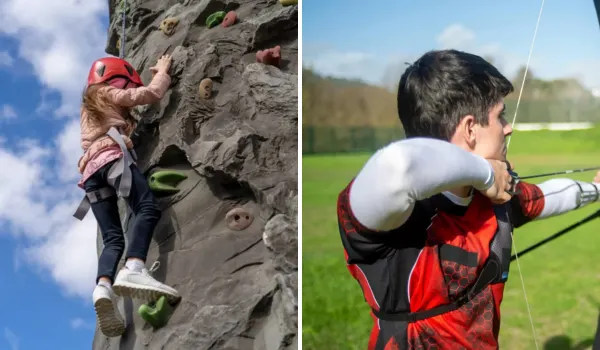
    Archery and Sport Climbing encourage patience, coordination, and strength. Each step, aim, or climb is a small challenge that teaches children balance and body control while letting them enjoy movement at their own pace.

    Playful challenges such as Melt Down and Bull Ride turn energy into laughter. Kids learn to navigate movement, maintain balance, and test their agility in ways that feel like fun rather than structured exercise.

    Water-based activities including Water Roller, Boating, and Long Boating, introduce slower, reflective moments. Families can sit together, watch the surroundings, and recharge before diving back into the next adventure.

    The pace is calm and immersive. Parents can relax, sip tea, or take photos while their children explore and engage with art and wildlife. Unlike traditional amusement parks, families spend quality time together without noise or crowds.

    Learning That Stays With You

    Storytelling combined with art sparks curiosity, observation, and empathy. Children begin to understand global wildlife, ecosystems, and conservation efforts naturally. They also learn that creative thinking can turn discarded materials into something beautiful and meaningful.

    For Delhi NCR families, Jungle Trail offers rare moments of calm, learning, and creativity. Kids leave excited, inspired, and reflective, and parents enjoy the peace of mind of a safe, immersive, and educational outing.

    Why Families Choose Jungle Trail

    Families love Jungle Trail for so many reasons. It is easy to reach from Delhi, Noida, Greater Noida, Gurgaon, and Faridabad, making it perfect for a relaxing weekend outing. The park offers open, safe spaces where children can wander, explore, and learn without feeling rushed or crowded.

    The experience is designed for full-day engagement. Kids can immerse themselves in storytelling, hands-on art, and wildlife exploration, all at a gentle pace that keeps them curious but not exhausted. Parents enjoy the chance to observe, reflect, and connect while children discover new worlds and ideas.

    What sets Jungle Trail apart is how it blends education with imagination. Storytelling walks reveal fascinating facts about animals from six continents, while sculptures made from recycled materials teach lessons about creativity, sustainability, and conservation. Photography lovers also find plenty of opportunities to capture stunning, memorable moments in a calm and scenic environment.

    By the end of the day, families leave feeling inspired and connected. Children remember the animals, the stories, and the adventures, while parents appreciate a unique learning experience that goes beyond slides, swings, or screens.

    Frequently Asked Questions About Jungle Trail

    1. What is Jungle Trail, and what makes it different from other parks?

    Jungle Trail is a waste to art park and eco nature park that brings wildlife, storytelling, and creativity together. Unlike traditional amusement parks, it offers calm, immersive experiences where visitors explore over 700 life-size sculptures of animals from six continents, learn about their habitats, and discover how recycled materials can become art.

    2. How much time should we plan for a visit?

    A full day is ideal to experience everything. With storytelling trails, hands-on art sessions, gentle adventures like boating, archery, and zorbing, and quiet spaces for reflection, visitors can explore the 20-acre park at a relaxed pace without feeling rushed.

    3. Is Jungle Trail suitable for children of all ages?

    Yes. The park is designed for visitors of all ages. Children enjoy interactive learning and creative activities, while adults can relax, observe, and even participate in hands-on art or photography. The safe, open spaces make it suitable for families, friends, and wildlife enthusiasts alike.

    4. What sustainability practices does Jungle Trail follow?

    Over 500 tonnes of industrial and automotive scrap are repurposed to create sculptures, benches, and infrastructure. This teaches visitors the value of creative reuse and reduces environmental impact. The park also uses eco-friendly lighting and promotes awareness about wildlife conservation and sustainable living.

    5. Where is Jungle Trail located, and how can we reach it?

    Jungle Trail is conveniently accessible from Delhi, Noida, Greater Noida, Gurgaon, and Faridabad. Its spacious 20-acre layout allows visitors to enjoy a full day of calm exploration without feeling crowded, making it perfect for a weekend getaway close to the city.

    Plan Your Visit

    Escape the noise and the usual weekend rush. At Jungle Trail, children can explore animals from Africa, Asia, Europe, Australia, South America, and the polar regions. They will interact with hundreds of life-size sculptures, create art inspired by wildlife, and enjoy activities designed to be calm, creative, and immersive.

    Jungle Trail is not just a park. It is a journey of learning, imagination, and family connection. Discover how storytelling and art bring wildlife to life, spark curiosity, and leave lasting memories for the whole family.
    👉 Book your visit today and experience a world where creativity, sustainability, and global wildlife meet under one sky.

  • How Animal Sculpture Parks Teach Kids About Wildlife Without Harming Animals

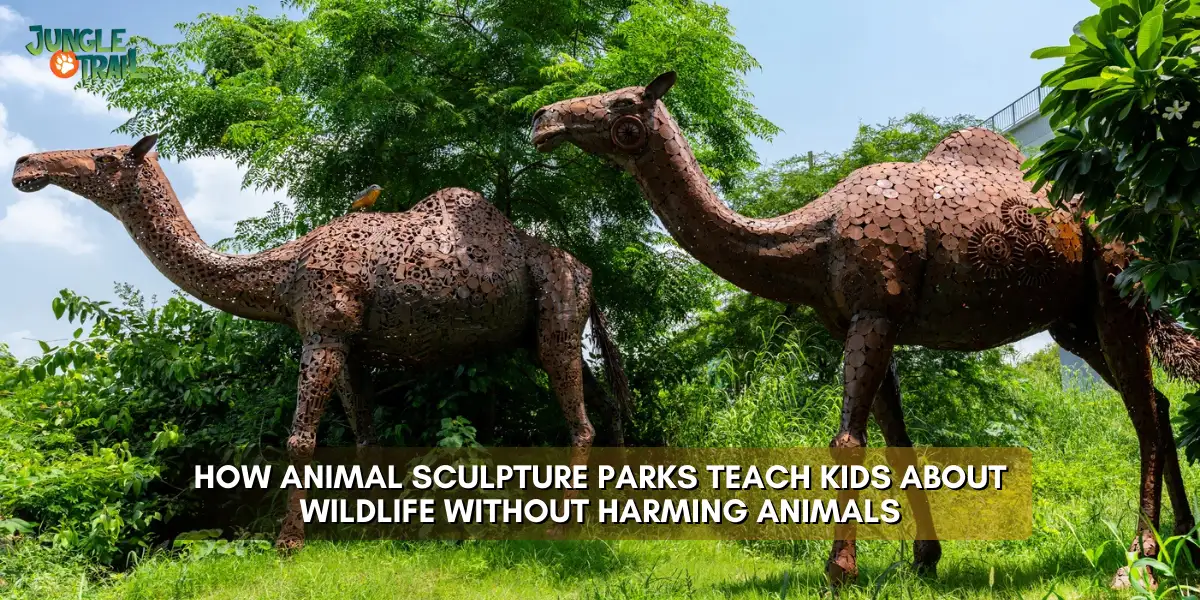
    How Animal Sculpture Parks Teach Kids About Wildlife Without Harming Animals

    Imagine taking your children on a journey across the African savannahs, Asian jungles, and American forests—all without leaving Delhi NCR and without a single animal in captivity. It may sound impossible, but at Jungle Trail Noida, India’s largest animal sculpture park, this is a reality.

    In today’s urban environment, children have limited opportunities to interact with wildlife. Screens dominate their lives, concrete replaces greenery, and weekends often feel repetitive. Parents struggle to find recreational spaces that are fun, educational, and ethical. That’s where animal sculpture parks come in—a place where art, learning, and sustainability intersect to create experiences children remember for a lifetime.

    This blog explores how these parks teach kids about wildlife, why they’re becoming the preferred choice for families, and why Jungle Trail sets a new benchmark for ethical and educational urban recreation.

    Why Traditional Zoos Aren’t Enough

    Zoos have long been the standard for families hoping to introduce children to wildlife. However, they come with limitations:

    • Ethical Concerns: Animals in captivity often experience stress, limited movement, and unnatural living conditions. Kids may enjoy seeing them, but at what cost?
    • Passive Learning: Watching animals behind bars does not encourage curiosity or understanding.
    • Limited Memory Retention: Studies show children learn best when experiences are hands-on, interactive, and story-driven.

    Families are increasingly seeking experiences that are engaging, educational, and ethical—spaces where children can explore, ask questions, and connect with nature safely.

    Lion in Animal Sculpture Parks

    What Animal Sculpture Parks Offer

    Animal sculpture parks provide a unique solution. Instead of live animals, these parks use realistic sculptures and themed habitats to teach children about wildlife.

    • Lifelike Sculptures: Elephants, tigers, gorillas, and exotic birds are recreated in full scale, encouraging children to observe and compare.
    • Thematic Trails: Each zone represents a continent or ecosystem, from the African savannah to the Asian jungle to the forests of the Americas.
    • Sustainable Design: Sculptures are often made from recycled or upcycled materials, teaching children about environmental responsibility.

    These parks combine art, science, and play, allowing children to learn naturally and enjoyably, without harming animals.

    Walk, Explore, Wonder: Hands-On Wildlife Fun

    At Jungle Trail, children don’t just look—they interact. Walking along trails, touching sculptures, and observing details transforms simple sightseeing into active learning.

    • Children notice the stripes on a tiger, the tusks of an elephant, and the posture of a gorilla.
    • Safe climbing paths and observation decks allow kids to explore while staying physically engaged.
    • Parents can encourage observation, ask questions, and guide children to notice unique details in each sculpture.

    This hands-on approach ensures children retain information better than passive viewing and keeps them physically active while learning.

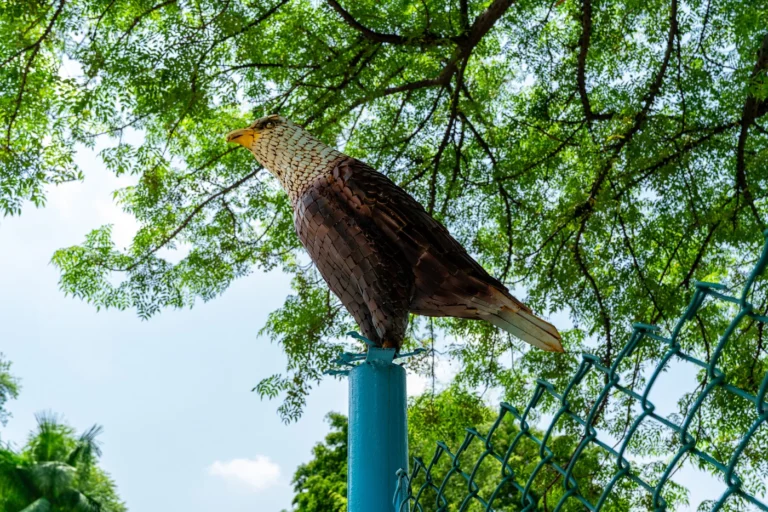
    Eagle in Jungle Park

    Learning About Animals Through Play

    Each zone in the park tells a story about animals and their habitats:

    • Africa: Explore the savannah and understand predator-prey relationships. Children learn how lions hunt, elephants migrate, and giraffes feed.
    • Asia: Discover endangered species like tigers, orangutans, and Asian elephants. Learn how forests support biodiversity.
    • Americas: Walk through tropical rainforests and North American forests, observing bears, jaguars, and parrots.
    • Australia: Explore marsupials, kangaroos, and unique reptiles in a safe, engaging environment.

    Children learn naturally by observing and asking questions, reinforcing understanding without feeling like a lesson.

    Activities That Spark Curiosity

    While the focus is on education and wildlife awareness, subtle activity elements enhance engagement:

    • Short climbing paths, rope trails, and observation decks encourage movement.
    • These are not thrill rides—they’re carefully integrated to support learning and exploration.
    • Kids discover habitats, compare species, and observe lifelike animal behaviors, all while being active.

    Even small activities like tracing an animal’s footprint or climbing to view a sculpture from above can reinforce curiosity and make learning memorable.

    Sustainability Lessons Through Art

    One of the most powerful lessons of animal sculpture parks is how humans can care for the planet while exploring wildlife.

    • Waste-to-Art Sculptures: At Jungle Trail, over 500 tonnes of scrap metal have been transformed into more than 800 wildlife-inspired sculptures.
    • Environmental Awareness: Children learn how discarded materials can be reused creatively, reducing waste and conserving resources.
    • Conservation Education: Sculptures and themed zones demonstrate the importance of protecting habitats and the broader ecosystem.

    By experiencing sustainability in action, children understand how everyday choices impact wildlife and the environment.

    Why Families Love Animal Sculpture Parks

    Animal sculpture parks provide multiple benefits for children and families:

    1. Safe and Ethical: No animals are kept in cages. Children enjoy wildlife responsibly.
    2. Educational: Children learn about species, habitats, and ecosystems through observation and interactive zones.
    3. Creative & Engaging: Sculptures, themed trails, and small activities encourage imagination and critical thinking.
    4. Family Bonding: Shared discovery strengthens parent-child relationships.
    5. Physical Activity: Walking trails and gentle adventure elements promote movement and wellness.

    These parks meet the modern family’s needs for fun, learning, and ethical recreation.

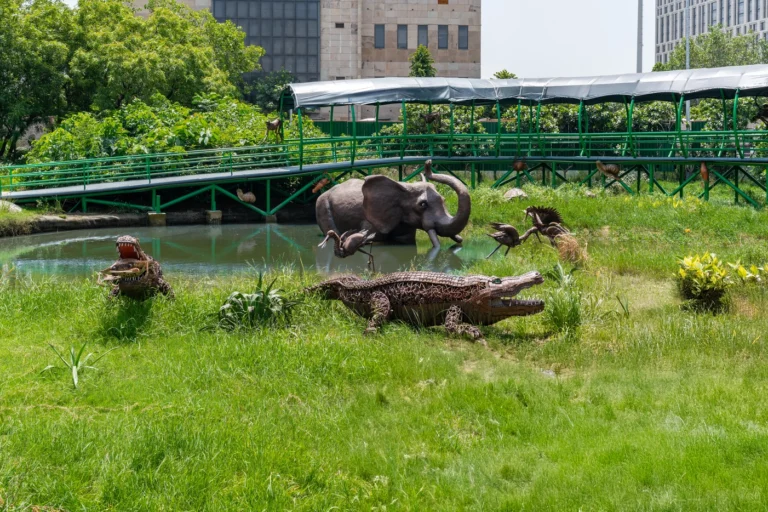
    Animals in Jungle Park

    A Day at Jungle Trail: Where Learning Meets Adventure

    Stepping into Jungle Trail Noida feels like leaving the city behind. Located in Sector 94, Noida, this 20-acre wonderland invites families to wander, discover, and imagine. Every corner tells a story, from the rustle of the leaves to the lifelike animals crafted entirely from recycled materials.

    Here, over 800 sculptures bring wildlife to life in a way that’s safe, ethical, and full of wonder. Children can lean in to inspect the stripes of a tiger, gaze up at a towering elephant, or spot a family of monkeys frozen mid-leap—all without any cages or barriers.

    The park isn’t just about looking—it’s about exploring and discovering at your own pace. Gentle trails, observation decks, and subtle activity areas let kids climb, peer, and investigate without fear or pressure. Every step sparks curiosity, conversation, and sometimes laughter.

    When it’s time to rest, families can relax in shaded picnic zones or enjoy a snack at the café, making it easy to spend an entire day immersed in creativity, nature, and learning.

    Whether you’re planning a school outing, a weekend family adventure, or a solo exploration with your little ones, Jungle Trail provides an experience that blends education, excitement, and environmental responsibility. Children leave not just entertained, but inspired—aware of the world’s wildlife and how we can protect it.

    Tips for Parents and Families

    • Best Visiting Times: Weekends or school holiday periods for maximum engagement
    • Planning School Trips: Combine educational workshops with exploration of each ecosystem zone
    • Encourage Questions: Parents can guide children to observe, compare, and learn about animal behaviors
    • Combine With Local Travel: Pair the park visit with other Delhi NCR attractions for a full day of family learning

    These tips make visits fun, stress-free, and educational.

    Frequently Asked Questions

    1. How are animal sculpture parks different from zoos?

    Sculpture parks teach children about animals and ecosystems without using live animals. Ethical education and hands-on learning are the main focus.

    2. Are these parks suitable for all ages?

    Yes! Trails, sculptures, and gentle activity zones engage toddlers, school-age children, and even adults

    3. How do children learn about conservation?

    Through observation, interactive zones, and sculptures made from recycled materials, children learn the importance of sustainability and protecting habitats

    4. Can families spend a full day there?

    Absolutely. Amenities like shaded picnic areas, cafés, and themed trails make Jungle Trail ideal for a day-long family outing.

    Conclusion: A New Way to Explore Wildlife

    What if your child could meet the wild—without cages, without fear, and without harm?
    That’s exactly what animal sculpture parks like Jungle Trail Noida make possible.

    Here, nature isn’t something you look at from a distance. It’s something your child walks through. Life-like animal sculptures spark instant curiosity. Little feet slow down. Big questions begin. Where do they live? What do they eat? Why do they matter? Learning happens naturally—through wonder, not worksheets.

    It’s adventurous, but safe. Exciting, yet calm. Every path invites exploration while quietly teaching respect for wildlife, habitats, and the planet we share. Sustainability isn’t a lesson here—it’s an experience your child feels and remembers.

    And the best part? You’re in it together. Laughing. Discovering. Talking. Creating memories that last far longer than a screen ever could.

    So ask yourself—when was the last time a weekend truly inspired your child?

    Take them to Jungle Trail, Noida.
    Let them explore. Let them ask. Let them grow.
    Plan your visit and turn a simple day out into a meaningful adventure

  • From Waste to Wonder: How Scrap Transforms Into Wildlife Sculptures at Jungle Trail Noida

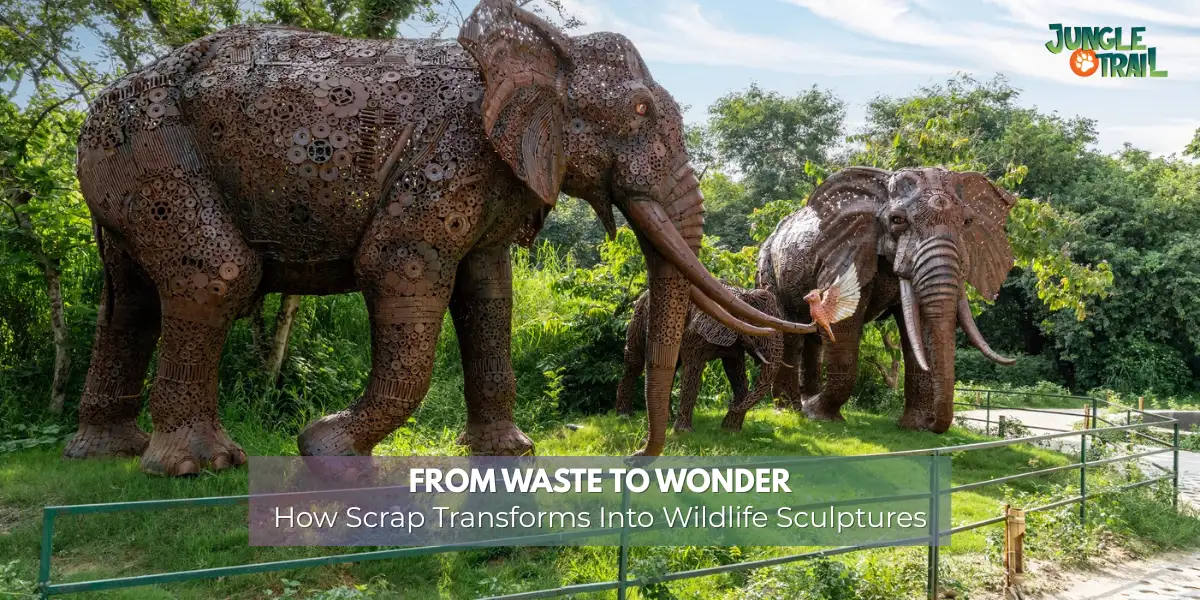
    From Waste to Wonder: How Scrap Transforms Into Wildlife Sculptures at Jungle Trail Noida

    When imagination meets sustainability, something extraordinary happens. Across India, a growing movement is redefining how we view waste, nature, and creativity. At the heart of this movement is the waste to Wonder Park, a unique concept where discarded materials are transformed into lifelike wildlife sculptures.

    Jungle Trail Noida stands out as a premier destination showcasing this idea. By blending eco-friendly art with outdoor adventure, it offers families, students, and nature lovers an immersive experience where learning, recreation, and creativity meet. Each sculpture, pathway, and installation demonstrates that waste can become meaningful when shaped with purpose.

    In this blog, we explore how scrap becomes wildlife art, why waste-to-art parks are gaining popularity across India, and what makes Jungle Trail Noida a must-visit waste-to-wonder park experience.

    The Rise of Waste-to-Art Parks: Where Sustainability Meets Creativity

    The idea of turning industrial scrap into public art and attractions has grown immensely over the last decade. Initially popular in cities like Delhi with global monuments made from scrap, the concept now includes wildlife sculptures, educational installations, and family-friendly parks.

    Why These Parks Are Gaining Popularity

    1. Growing Environmental Awareness
      People want destinations that combine fun with learning. A waste-to-wonder park provides a hands-on way to understand recycling, sustainability, and conservation.
    2. Educational Value for Children
      Schools are now taking students to parks where lifelike wildlife sculptures bring concepts like upcycling and waste management to life, making environmental education exciting, memorable, and truly impactful.
    3. Preference for Nature-Based Outings
      Families and groups seek open-air, eco-friendly alternatives to conventional indoor venues. The natural environment of these parks provides a refreshing experience.
    4. Artistic and Engineering Appeal
      These larger-than-real wildlife sculptures offer a unique experience, blending the beauty of nature with artistic creativity and technical mastery.
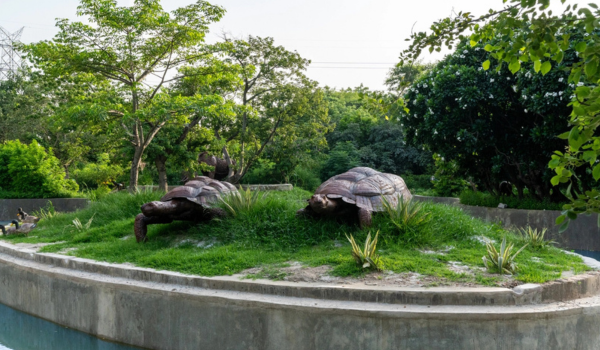
    Turtle sculpture made from recycled scrap materials at Jungle Trail Noida

    How Scrap Transforms Into Wildlife Sculptures

    Every wildlife sculpture at a waste-to-wonder park starts with imagination, creativity, and precise engineering. From discarded scrap to lifelike wildlife sculptures, each piece tells a story of sustainability, art, and innovation—capturing both hearts and minds. Here’s how scrap becomes lifelike wildlife art:

    1. Sourcing Scrap Materials

    Commonly used materials include:

    • Bicycle chains
    • Car parts
    • Nuts, bolts, and gears
    • Abandoned industrial scrap
    • Mild steel rods
    • Metal sheets

    These items would otherwise end up in landfills, but when repurposed, they contribute to sustainability while creating visual impact.

    2. Concept Designing and Blueprint Creation

    Artists begin by:

    • Studying animal anatomy
    • Selecting realistic poses
    • Planning life-size proportions
    • Determining weight distribution

    A precise blueprint ensures the sculpture is stable, accurate, and visually striking, making the park’s displays exceptional.

    3. Structural Building: Welding and Shaping Scrap

    The construction stage involves:

    • Cutting and shaping scrap
    • Welding parts together
    • Forming contours and muscle structures
    • Adding layers for depth and detail

    Chains, gears, and rods are cleverly used for texture, joints, and support, with some sculptures taking weeks to complete.

    4. Finishing, Polishing, and Coloring

    To ensure durability and aesthetic appeal:

    • Sharp edges are polished
    • Weather-resistant paints are applied
    • Textures are refined
    • Protective coatings are added

    This makes the wildlife sculptures long-lasting outdoor installations that impress visitors year-round.

    Exploring Jungle Trail Noida: Wildlife Reimagined Through Scrap

    Jungle Trail Noida combines eco-art with outdoor adventure, making it a complete eco-adventure destination. Visitors can enjoy:

    • Life-Size Wild Animals: Lions, tigers, deer, and more sculpted from scrap metal.
    • Bird Sculptures: Flying or perched birds crafted in intricate detail.
    • Reptiles and Forest Creatures: Small and large animals shaped with precision.

    Each installation educates visitors about wildlife, conservation, and sustainable creativity.

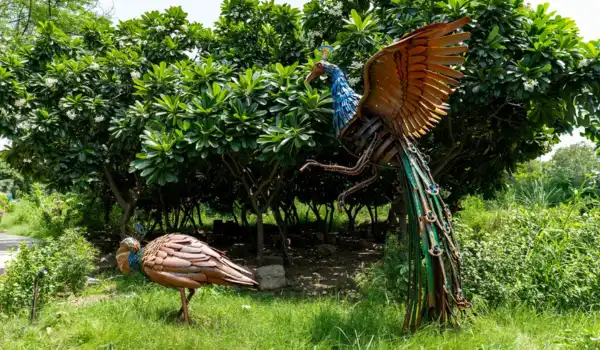
    Peacock and peahen sculptures made from recycled scrap at Jungle Trail Noida

    Why Waste-to-Art Parks Matter: Impact Beyond Aesthetics

    Waste to wonder parks serve a purpose beyond beauty:

    1. Promoting Sustainability – Demonstrates how discarded materials can be reused meaningfully.
    2. Inspiring Creativity – Encourages children and adults to see waste as a resource.
    3. Supporting Local Artists – Provides a platform for artisans and fabricators to showcase skills.
    4. Changing Perceptions About Waste – Shifts how
      people view junk, fostering innovation and responsibility.

    Jungle Trail Noida: More Than Just a Waste-to-Wonder Park

    Jungle Trail Noida is not just about wildlife sculptures—it combines eco-art with adventure, making it ideal for recreation, learning, and family outings.

    • Nature Trails and Learning Paths: Explore scenic walkways with environmental education.
    • Boating Experiences: Fun for families and couples alike.
    • Rope Adventure Activities: Challenge yourself with courses suited for all ages.
    • Archery Zones: Skill-based fun for kids and adults.
    • Picnic and Family Areas: Relax and enjoy green open spaces.

    This combination makes Jungle Trail Noida a truly unique eco-adventure destination.

    Visitor Guide: Tips for a Memorable Trip

    Best Time to Visit:

    • Winter season
    • Early mornings or late afternoons
    • Weekdays for quieter visits

    What to Carry:

    • Comfortable footwear
    • Water bottles
    • Sun protection
    • Camera for photography

    Ideal For:

    • Families and tourists
    • Educational trips
    • Nature lovers and adventure seekers

    FAQs: Everything You Need to Know

    1. How are wildlife sculptures created?

    By collecting scrap, designing blueprints, welding metal parts, and applying finishing layers.

    2. Is Jungle Trail Noida more than a Wildlife sculpture park?

    Yes. It is an eco-adventure destination with boating, archery, nature trails, and rope courses.

    3. Is it suitable for children?

    Absolutely. Educational and fun outdoor activities make it perfect for kids.

    4. How is it different from a regular amusement park?

    It blends eco-art, nature, sustainability, and adventure in one space.

    Conclusion: Where Waste Truly Becomes Wonder

    Waste-to-wonder parks represent the future of eco-friendly recreation. They show that discarded materials can be transformed into meaningful art that educates, inspires, and entertains.

    Jungle Trail Noida exemplifies this movement, combining wildlife sculptures, adventure activities, nature trails, and picnic zones. Whether it’s a family outing, a school trip, or a leisure day, this park offers an engaging and impactful experience where sustainability meets creativity—and where waste truly becomes wonder.

    Plan your visit to Jungle Trail Noida and experience how creativity, conservation, and adventure come together. Discover a destination where waste transforms into wonder and every visit inspires sustainable thinking.