Urban recreation and wildlife education are evolving rapidly. Traditional zoos, once the standard for family outings and school trips, are increasingly questioned for animal welfare, ethical concerns, and limited educational impact.
Waste-to-art parks, such as Jungle Trail Noida, offer an innovative alternative. By transforming industrial scrap into life-sized wildlife sculptures, these parks provide immersive learning experiences, promote sustainability, and deliver safe, engaging, and memorable recreation for children, students, and families.
This blog explores why waste-to-art parks are superior to traditional zoos, highlighting ethical considerations, environmental benefits, educational value, and the unique experiences offered by Jungle Trail Noida.
Why Traditional Zoos Are Facing Criticism
While zoos have historical significance, their limitations are becoming increasingly clear:
A. Ethical Concerns
- Animals often live in confined, unnatural habitats, which can cause stress and behavioral issues.
- Captivity for entertainment raises moral and ethical questions, particularly for young visitors.
- Families and educators are seeking alternatives that teach empathy and wildlife respect without exploitation.
B. Limited Educational Value
- Observing animals passively rarely leaves a lasting impression.
- Traditional zoos offer minimal hands-on learning or interaction, making environmental lessons abstract.
C. High Environmental Impact
- Maintaining enclosures, feeding, and veterinary care consumes significant energy and resources.
- Transportation of animals and visitors further contributes to the carbon footprint.
D. Low Creativity and Engagement
- Children are primarily spectators, not participants.
- Few opportunities exist for problem-solving, innovation, or interactive learning.
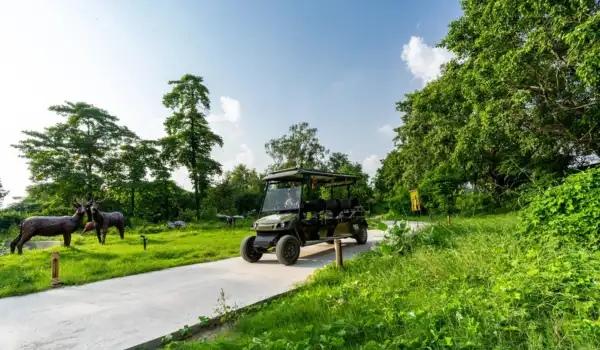
The Emergence of Waste-to-Art Parks
Waste-to-art parks are a modern, ethical solution for wildlife education and urban recreation.
- Global Trend: Countries like Singapore, Germany, and Indonesia have embraced eco-friendly, educational parks.
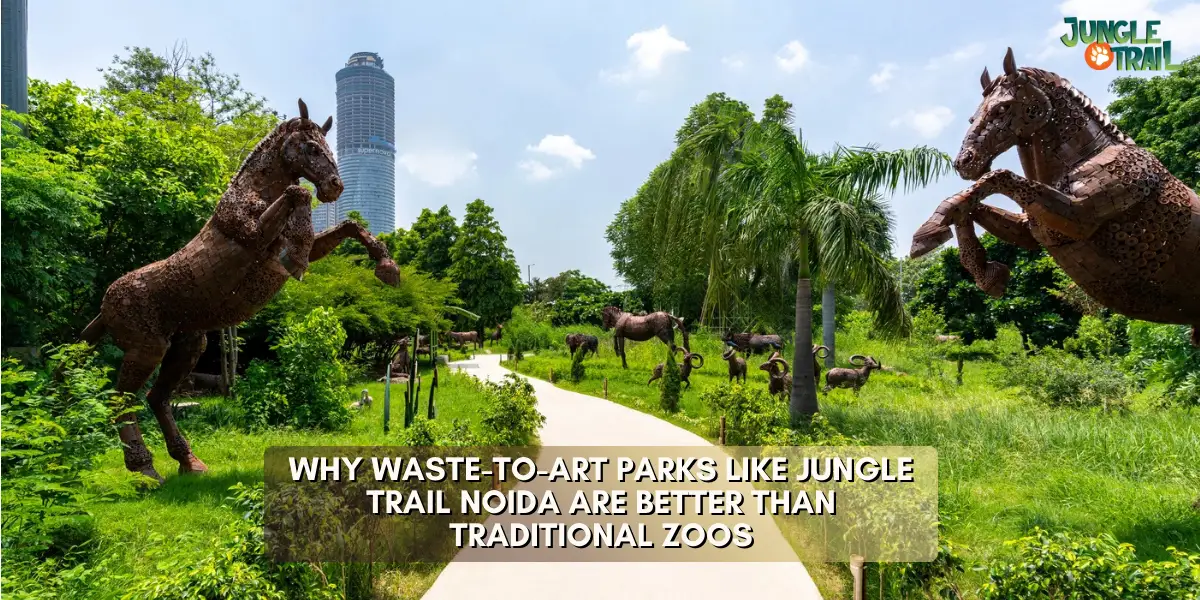
- Indian Pioneer: Jungle Trail Noida uses discarded and recycled materials to create large-scale wildlife sculptures and immersive outdoor installations.
- Core Concept: Visitors experience wildlife through art, creativity, and sustainable installations, learning about ecosystems and recycling without harming animals.
These parks act as living classrooms, offering hands-on, multi-sensory learning experiences that traditional zoos cannot provide.
Why Waste-to-Art Parks Are Better Than Zoos
A. Ethical Engagement
- No animals in captivity; children learn wildlife empathy ethically.
- Promotes modern ethical values aligned with environmental and animal welfare education.
B. Eco-Friendly & Sustainable
- Sculptures use recycled scrap metal, machinery, and automotive parts.
- Demonstrates upcycling and resource conservation in a tangible way.
- Lower environmental impact compared to traditional zoos.
C. Engaging Multi-Sensory Learning
- Children learn by seeing, touching, observing, and creating.
- Connects classroom lessons on biodiversity, ecosystems, and recycling to real-life applications.
D. Creativity & Problem-Solving
- Sculptures spark imagination and curiosity.
- Students understand how waste can be transformed into art, fostering innovation and critical thinking.
E. Safe, Family-Friendly Environment
- Open spaces, monitored adventure zones, and picnic areas.
- Children explore actively and safely, unlike stressful animal enclosures.
F. Lower Environmental Impact
- Avoids energy-intensive animal care.
- Supports sustainable urban recreation practices.
Jungle Trail Noida: India’s Flagship Waste-to-Art Eco Park
Jungle Trail Noida exemplifies a world-class waste-to-art park.
Key Features
Scrap-Art Wildlife Sculptures
- Life-sized lions, tigers, elephants, giraffes, penguins, and dinosaurs.
- Made entirely from recycled metal and industrial scrap.
Educational Signage & Eco-Trails
- Explains species, ecosystems, conservation, and recycling.
- Guides students through biodiversity and sustainability lessons.
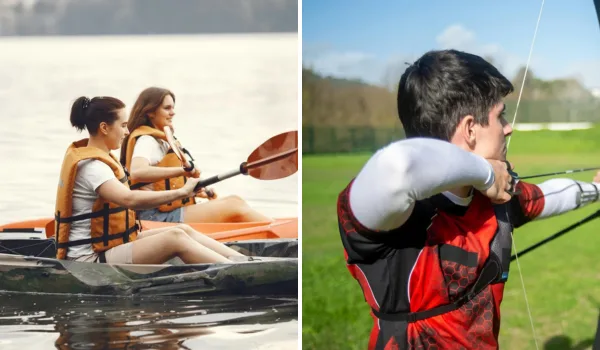
Adventure & Activity Zones
- Rocket Ejector (₹250, 1-time)
- Archery (₹100)
- Long Boating (₹500, 30 min)
- Pressure Rocket (₹200)
- Melt Down (₹100)
- Sport Climbing (₹100, per climb)
- Bull Ride (₹100)
- Water Roller (₹200, 15 min)
- Boating (₹200, 10 min)
Workshops & Interactive Learning
- DIY recycled crafts
- Composting demonstrations
- Eco-games
- Guided biodiversity walks
Picnic & Reflection Areas
- Journaling and sketching spaces
- Family discussions for practical learning reinforcement
This combination of art, adventure, and education sets Jungle Trail apart from any traditional zoo.
Benefits for Students and Families
Hands-On Learning Opportunities
1. Scrap-Art Exploration
- Children observe how waste transforms into art.
- Encourages critical thinking and environmental awareness.
2. Nature Trails & Biodiversity Education
- Connects classroom ecology lessons to real ecosystems.
- Highlights local flora, insects, and wildlife.
3. Eco-Workshops
- DIY crafts, eco-games, and composting.
- Develops creativity, problem-solving, and innovation.
4. Adventure & Physical Learning
- Climbing, boating, rope challenges, and walking trails.
- Supports physical health, teamwork, and resilience.
5. Reflection & Observation Zones
- Journaling, sketching, and discussion spaces.
- Improves critical thinking and memory retention.
Why Jungle Trail is Great for Kids’ Development
Better Thinking Skills: Hands-on activities help kids remember things and focus better.
Love for the Environment: Early experiences with nature and recycling teach kids to care for the planet.
- Boost Creativity: Turning scrap into art encourages imagination and new ideas.
- Teamwork and Social Skills: Group activities help children communicate, work together, and understand others.
- Stay Active: Walking, climbing, and playing outdoors keep kids healthy and energetic.
- Screen-Free Fun: Kids learn and play without relying on phones or tablets.
- Cognitive Development: Multi-sensory learning enhances memory and attention.
- Environmental Awareness: Early exposure fosters lifelong sustainability habits.
- Physical Health: Active engagement in trails and adventure zones.
- Screen-Free Engagement: Reduces reliance on digital media for learning.
Comparison: Traditional Zoos vs Waste-to-Art Parks
| Feature | Traditional Zoo | Waste-to-Art Park (Jungle Trail Noida) |
| Animal Welfare | Captive animals | Ethical, no animals used |
| Learning | Passive observation | Interactive, multi-sensory |
| Engagement | Low | High, full-day experience |
| Creativity | Minimal | Encouraged through art & workshops |
| Environmental Impact | High | Low, sustainable practices |
| Safety | Moderate | High |
| Activities | Limited | Adventure + eco workshops + creative zones |
Why Waste-to-Art Parks Outperform Zoos in Education
- Visual Learning: Sculptures demonstrate recycling and wildlife conservation.
- Hands-On Understanding: Children participate in eco-art, composting, and interactive trails.
- Emotional Impact: Positive inspiration replaces sadness or ethical concerns.
- Social Skills: Collaboration through workshops and adventure activities.
- Holistic Development: Cognitive, creative, physical, and emotional growth combined.
Ideal for School Trips & Educational Outings
Waste-to-art parks offer curriculum-aligned learning opportunities:
- Waste management & recycling
- Art & design thinking
- Environmental science & conservation
- Biodiversity & ecology lessons
- Holistic student development
Jungle Trail Noida is a popular destination for CBSE, ICSE, IB, and Montessori schools, combining education, adventure, and safety.
FAQs: Understanding Waste-to-Art Parks
Q: Why are waste-to-art parks better than traditional zoos?
A: They provide ethical, sustainable, and interactive learning experiences without harming animals.
Q: How do children learn about recycling?
A: Through scrap-art sculptures, workshops, composting, and guided eco-trails.
Q: Are activities safe for children?
A: Yes, Jungle Trail ensures monitored adventure zones and secure play areas.
Q: Which age group benefits most?
A: Children aged 5–15, with younger children supervised during guided activities.
Q: Can schools organize trips to Jungle Trail?
A: Yes, the park offers structured programs for school visits aligned with sustainability education.
Practical Tips for Parents & Teachers
- Schedule visits during cooler times of the day.
- Introduce children to recycling, sustainability, and biodiversity concepts beforehand.
- Pack water, hats, snacks, and notebooks for observation.
- Encourage hands-on participation in workshops and activities.
- Supervise adventure activities and follow park safety guidelines.
Conclusion: The Future of Ethical Urban Recreation
Waste-to-art parks represent the future of urban recreation, combining creativity, ethics, sustainability, and education.
Jungle Trail Noida exemplifies this approach with:
- 800+ life-sized recycled animal sculptures
- Educational eco-trails and workshops
- Adventure and outdoor learning activities
- Safe, family-friendly reflection and picnic areas
By choosing waste-to-art parks, children gain practical knowledge, holistic growth, and a lifelong appreciation for wildlife and the environment.
Plan your visit to Jungle Trail Noida today and experience wildlife, creativity, and sustainability all in one unforgettable, eco-friendly destination.