Category: wildlife from waste

  • A New Park in Noida That Turns Waste into Wildlife and a Peaceful City Escape

    A New Park in Noida That Turns Waste into Wildlife and a Peaceful City Escape

    Noida is buzzing, but sometimes the city’s energy feels overwhelming. Honking cars, crowded streets, construction noise, and lingering smog can make weekends feel like a continuation of the workweek. Where do you go when the city becomes too loud, too fast, too exhausting?

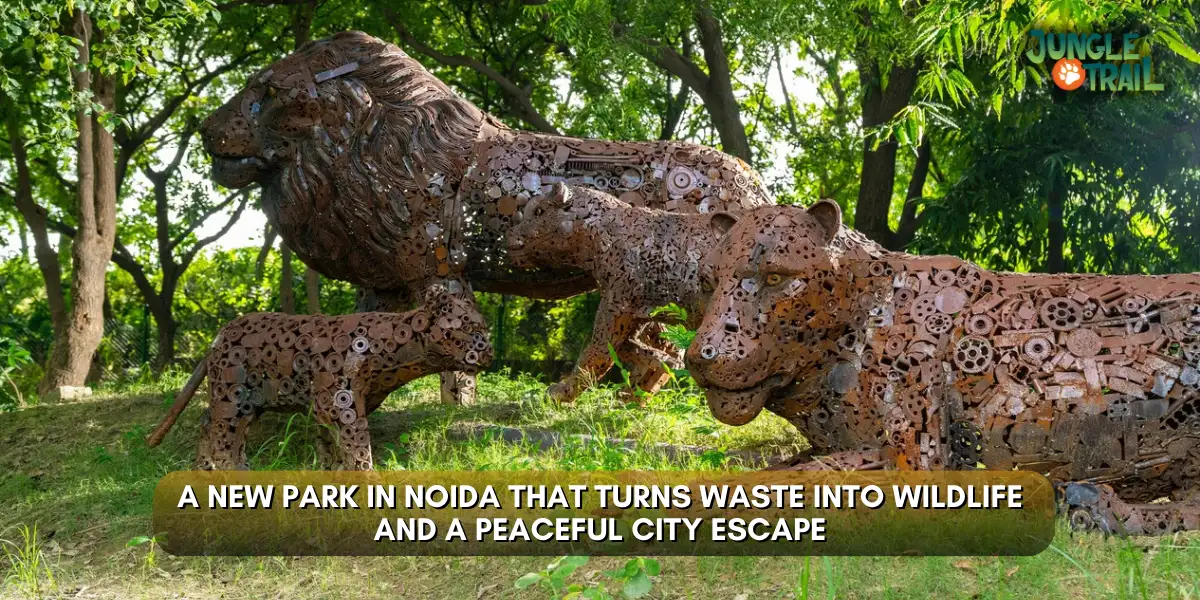
    Right in the heart of Noida, an extraordinary destination offers a solution. A new park in Noida that uses industrial waste to transform into lifelike wildlife across 20 acres of thoughtfully designed landscapes. Jungle Trail is a pioneering eco-tourism park that is redefining urban leisure. Instead of chaos, visitors find calm. Instead of screens, they find art. Instead of cages, they discover wildlife through art that is ethical, engaging, and inspiring.

    Have you ever wished for a weekend that restores your senses, sparks curiosity, and connects you to nature all without leaving the city? Jungle Trail Noida delivers exactly that experience, turning a simple outing into a journey of discovery.

    Why This New Park in Noida Offers the Perfect Weekend Escape

    Weekends in Noida no longer need long drives or traffic-packed excursions. Residents crave short, meaningful escapes that leave them refreshed and engaged. This innovative urban park provides exactly that. Families can enjoy hands-on learning. Adults can find quiet reflection. Couples can stroll along scenic pathways that weave art, wildlife, and sustainability into a single experience.

    Urban leisure experiences in Noida are evolving. People are moving away from crowded malls and generic entertainment, seeking immersive activities that reconnect them with nature. Why travel far when a place like this offers adventure, calm, and education within city limits?
    Leave the Chaos Behind — Walk Into Calm

    Leave the chaos behind and walk into calm

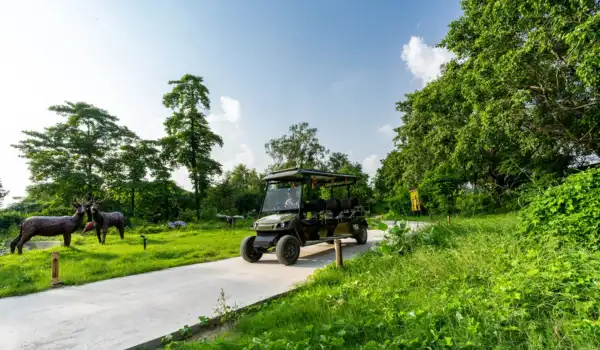
    Step out of your car and notice the difference. Outside, Noida hums with traffic and construction. Inside, the air feels cleaner. Walking paths wind through lush greenery. Shaded zones provide rest. Eco-friendly lighting transforms evenings into reflective, serene spaces.

    Mindfulness in urban spaces is no longer a luxury, but it’s a necessity. Slow travel in cities like Noida allows visitors to pause, breathe, and reconnect with the world around them. Escape city pollution and feel the tension of the week melt away as you stroll among sculptures, streams, and open green spaces. Urban green escapes like this park remind us that nature doesn’t exist only far awaybut it can thrive right in our cities.

    “New park in Noida where waste turns into wildlife.

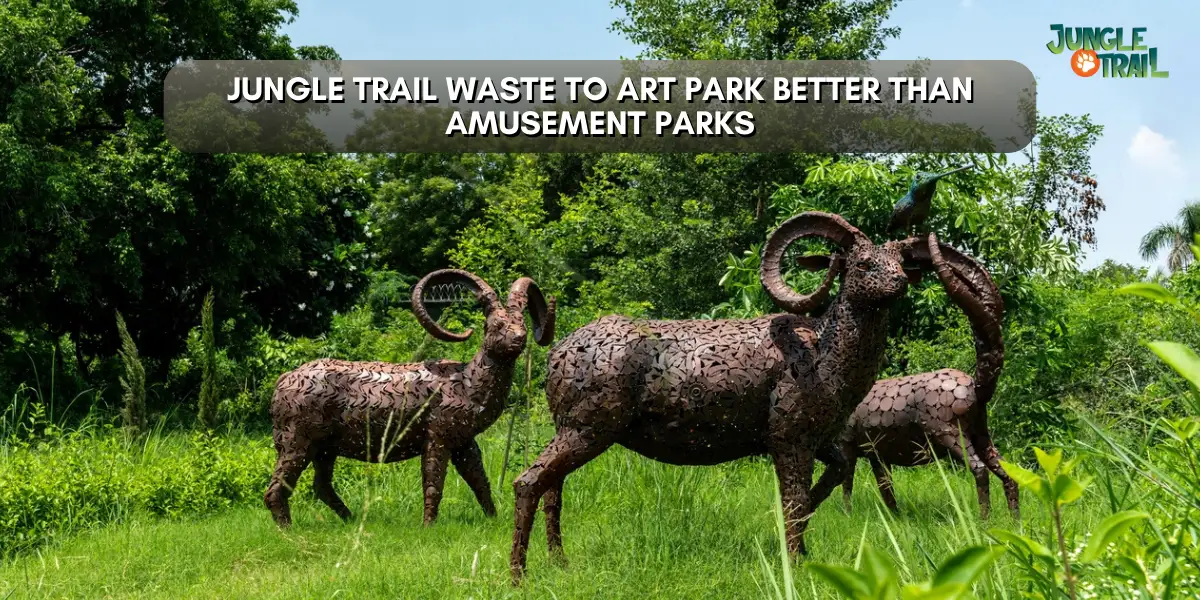
    Imagine a discarded fuel tank transformed into a majestic elephant, or old gears forming the mane of a roaring lion. Jungle Trail has done just that. Using over 500 tonnes of industrial scrap, the park has created more than 800 wildlife sculptures. This is more than art; it’s storytelling through imagination, environmental education, and a bold statement about sustainability.

    Jungle Trail is a new park in Noida, which transforms over 500 tonnes of industrial waste into more than 800 animal sculptures. Visitors wander through deserts, wetlands, forests, and polar zones, encountering animals from all seven continents. It’s one of the most engaging animal sculpture parks in Noida and a leading sustainable urban park in India.

    Can you imagine learning about wildlife without ever seeing an animal in a cage? That is the brilliance of the Jungle Trail wildlife sculptures experience.

    Experience wildlife without cages and learn through real experiences.”

    Why do we still assume animals belong in cages? Jungle Trail challenges that notion entirely. Children and adults alike can explore wildlife in a safe, ethical, and immersive environment.

    Families can spend hours discovering each sculpture and ecosystem. Adults reconnect with nature. Children learn scale, texture, and geography in an unforgettable, hands-on way. This approach to environmental education for children fosters curiosity, empathy, and learning without pressure.
    Explore All Seven Continents in a Single Walk

    Explore All Seven Continents in a Single Walk

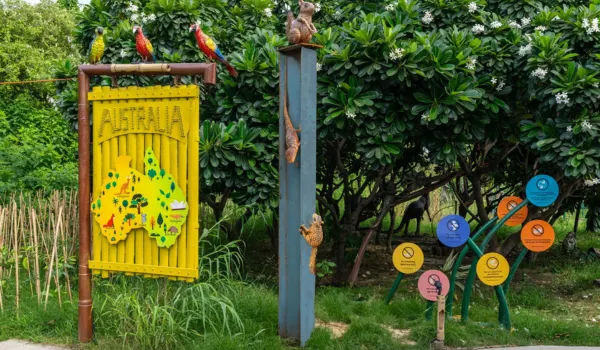
    Have you ever traveled the world in one afternoon? At Jungle Trail, it is possibleto encounter African lions, Asian tigers, Antarctic penguins, and Australian kangaroos coexisting across themed zones. Each area has been carefully designed to replicate natural habitats using recycled materials, emphasizing wildlife observation and sustainability in this brand new park in Noida.

    This global experience turns every photograph into a story. Walking through Jungle Trail, you don’t just see wildlife but feel deeply connected to a planet where art, learning, and ethical observation come alive. Each sculpture, pathway, and themed zone sparks curiosity, wonder, and reflection. Urban leisure experiences in Noida have never felt this immersive.

    At this new park in Noida, where you can explore animals from all seven continents, discover how recycled waste becomes breathtaking art, and experience a weekend escape that refreshes your mind and senses—all without leaving the city. It’s more than a park; it’s a journey where creativity, sustainability, and wildlife meet.

    A Living Classroom for Families and Students

    Children do not just observe, but they also explore, touch, and imagine. Families find spaces to connect without screens. Schools discover the park as a living classroom where environmental awareness emerges naturally.

    Jungle Trail is a family-friendly attraction that encourages curiosity and reflection. Children learn without textbooks. Adults rediscover beauty effortlessly. This new park in Noida transforms weekends into opportunities for meaningful exploration while instilling an appreciation for sustainable practices and wildlife conservation.

    Why This Park Fits Perfectly Into Noida Life

    City life moves fast. Traffic, deadlines, noise, and screens rarely give you space to pause. That’s why accessibility matters so much. When a park feels close, familiar, and unrushed, people actually use it.

    At Jungle Trail, a visit doesn’t feel like a tedious affair. Couples wander here slowly, talking without checking the time. Families let children run ahead, curious and unhurried. Seniors sit beneath shaded trees, watching the world move gently instead of rushing past them. You can spend a few hours or an entire day in this new park in Noida.

    Why travel far when calm exists right here? Jungle Trail shows that urban leisure does not have to be loud, crowded, or exhausting. Thoughtful landscaping, recycled art, and environmentally friendly design come together to create a space that feels welcoming rather than overwhelming. It is leisure without pressure, learning without lectures, and sustainability without preaching.

    The Future of Urban Leisure in Noida

    The world is changing, and so are its people. Residents living in metros are no longer looking only for malls or quick entertainment. They want spaces that slow them down. Places that feel meaningful. Experiences that leave them lighter than when they arrived.

    This is where waste-to-art parks step in. Jungle Trail reflects a growing shift toward mindful urban living. Here, wildlife is celebrated without cages. Creativity replaces consumption. Reflection replaces noise. Visitors walk through landscapes inspired by ecosystems across continents, learning about animals, recycling, and sustainability without even realizing they are learning.

    Cities do not have to drain the people who live in them. They can restore, educate, and inspire. This new park in Noida offers a glimpse of that future, where green spaces heal rather than exhaust, and where ethical engagement with nature becomes part of everyday urban life.

    Frequently Asked Questions (FAQs)

    1. What makes Jungle Trail different from other parks in Noida?

    Jungle Trail is a new park in Noida that stands apart because it blends art, wildlife, and sustainability into one immersive experience. Instead of rides or crowds, it offers calm walking trails, lifelike animal sculptures made from recycled waste, and thoughtfully designed ecosystems. It feels less like a typical city park and more like stepping into a quiet, creative world within Noida.

    2. Is Jungle Trail suitable for families with children?

    Yes, it is especially for families. Children learn about animals, continents, and recycling through exploration rather than instruction. Parents appreciate that kids stay engaged without screens, while the open layout allows families to spend time together at a relaxed pace.

    3. Can you experience wildlife here without live animals?

    Absolutely. The park focuses on wildlife without captivity. Through detailed sculptures and themed zones, visitors understand animal forms, habitats, and global biodiversity without seeing animals confined to cages. This ethical approach resonates strongly with animal lovers and environmentally conscious visitors.

    4. How does the park promote sustainability?

    The entire park is built around the idea of reuse and transformation. Industrial scrap metal is turned into large-scale wildlife art, benches, gazebos, and lighting elements. Visitors learn about recycling and sustainability simply by walking through the space, without lectures or signboards overwhelming the experience.

    5. Is this park good for a short weekend visit?

    Yes. Many visitors come for just a few hours and still feel refreshed. The park fits easily into a half-day or evening plan, making it ideal for Noida residents who want a break from traffic, noise, and routine without long travel.

    6. Does Jungle Trail feel crowded on weekends?

    While weekends are popular, the open pathways, wide landscapes, and multiple zones help prevent the space from feeling congested. Visitors often mention that it still feels calm compared to malls or traditional entertainment spots.

    7. Can couples and seniors enjoy the park too?

    Definitely. Couples enjoy slow walks and quiet corners, while seniors appreciate shaded seating and gentle pathways. The park is designed for unhurried movement, making it comfortable and enjoyable across age groups.

    8. Why are waste-to-art parks becoming popular in Noida and Delhi NCR?

    As pollution, noise, and screen fatigue increase, people are looking for meaningful escapes closer to home. Waste-to-art parks offer something rare: peace, creativity, and learning combined. They reflect a growing desire for ethical, mindful urban leisure rather than fast, consumption-driven entertainment.

    A Weekend That Stays With You

    Imagine stepping away from traffic and horns for just a few hours. Imagine walking into a space where discarded metal becomes art, where animals exist without confinement, and where your mind finally slows down.

    That is what a weekend in this new park in Noida feels like. It is not just another park visit. It is a quiet reminder that beauty can come from waste, that wildlife can be respected without captivity, and that cities can still offer peace.

    Can a short visit change how you see your surroundings? Can it shift how you think about sustainability, wildlife, and your own pace of life? At Jungle Trail, it often does. Every sculpture carries intention. Every pathway invites pause. And every visitor leaves with something intangible but a powerful perspective.

    👉 Step into Jungle Trail and experience the calmness of nature quietly waiting for.

    Call to Action of Jungle Trail
    Call to Action of Jungle Trail

  • Jungle Trail: Waste to Art Park Better Than Amusement Parks

    Jungle Trail: Waste to Art Park Better Than Amusement Parks

    Feeling Tired of Noise and Chaos at  Amusement Parks? You Are Not Alone

    Have you ever taken your kids to an amusement park and returned home more exhausted than they were? The traffic on the way, the endless queues, the kids screaming for rides, and that constant rush to catch every show—it can be overwhelming. You might even notice them whining halfway through the day, while you are desperately looking for a bench to sit.

    This is a reality for many Delhi NCR families. Weekends are meant to recharge everyone, not leave you stressed and tired.

    That is why Jungle Trail, a waste to art park, is different. This eco nature park in Delhi NCR lets families slow down, explore at their own pace, and truly spend the day together. Here, kids can run, climb, and discover, while parents finally get a moment to breathe.

    Why Amusement Parks Often Fall Short

    Amusement parks are exciting at first, but that excitement fades fast. The long queues, loud music, sticky floors, overpriced snacks, and overstimulated kids often leave parents frustrated. By the time you leave, everyone is cranky and exhausted.

    At Jungle Trail, it’s the complete opposite. No shouting, no rushing, no waiting endlessly for a ride. Instead, children can wander among life-size sculptures made from recycled materials, explore green trails, and enjoy activities at a comfortable pace. Parents can actually sit back and watch, sip their chai, and feel relaxed.

    Waste to Art Park Better Than Amusement Parks

    Jungle Trail: Where Waste Becomes Art

    The core of Jungle Trail is the waste to art park concept. Imagine your children walking among giant animals made from recycled materials, discovering little details on every sculpture, touching the textures, and asking questions. This is learning without screens, without noise, without queues.

    This eco nature park is designed for calm exploration. You can spend a whole day:

    • Archery: Kids and adults can test their focus in a safe, supervised setup.
    • Gentle bull rides: Fun and safe for younger children.
    • Zorbing: Just enough thrill to make them giggle without overwhelming them.
    • Boating: Glide on calm waters while enjoying green surroundings.
    • Nature trails and scavenger hunts: Discover sculptures, spot birds, and engage curiosity naturally.

    At Jungle Trail, the waste to art park is not just about looking at art. It is a full-day space where families can enjoy calm, hands-on, and playful activities. No pressure, no overstimulation, just meaningful time together.

    Benefits for Families and Children

    Benefits for Families and Children

    • Calm and Stress-Free: Finally, a park where kids can explore and parents can relax.
    • Learning While Playing: The waste to art park encourages observation, creativity, and problem-solving.
    • Fresh Air and Greenery: Open spaces, shaded trails, and quiet corners away from the city hustle.
    • Full-Day Engagement: Spend the entire day trying archery, boating, zorbing, or simply strolling.
    • Memories That Last: Kids remember the fun of climbing, exploring, and discovering, not just rides or lines.

    Ask yourself: how often does a weekend feel relaxing yet meaningful? Jungle Trail lets that happen naturally. Kids stay curious and calm, and parents leave refreshed.

    Your Perfect Weekend Escape in Delhi NCR

    Located near Delhi, Noida, Greater Noida, Gurgaon, and Faridabad, Jungle Trail is easy to reach and perfect for weekend outings. The eco nature park layout provides wide, shaded trails, picnic areas, and open spaces for families to spend a full day comfortably.

    Picture this: start with a stroll among life-size sculptures, move to archery, then enjoy a relaxed boat ride. Take a break under a tree, and in the afternoon try zorbing. Finish the day with a scavenger hunt along winding green trails. Compare this to standing in a long queue for one ride at an amusement park.

    Jungle Trail vs Amusement Parks

    AspectJungle TrailAmusement Park
    Archery, boating, zorbing, and nature trailsCalm and peacefulLoud music and rides
    LearningFun, waste to art park basedMinimal educational value
    SpaceOpen and walkableCrowded and congested
    ActivitiesArchery, boating, zorbing, nature trailsRides and shows only
    CostAffordableExpensive
    Family ExperienceRelaxed, full-day, memorableRush & Excessive stimulation

    The waste to art park ensures children engage with nature, creativity, and art while parents relax. Families leave refreshed and inspired, not exhausted.

    Tips for Visiting Jungle Trail

    • Visit early in the morning or late afternoon for the best comfort.
    • Carry water, snacks, sunscreen, and a camera to capture memories.
    • Let children explore sculptures and trails at their own pace.
    • Try all activities: archery, bull rides, zorbing, and boating.
    • Use shaded picnic spots for breaks and meals to make it a full-day outing.

    Every corner encourages discovery, learning, and family bonding without the stress of amusement parks.

    FAQs About Jungle Trail Waste to Art Park

    1. What makes Jungle Trail different from regular amusement parks?

    Jungle Trail is a waste to art park and eco nature park where kids explore life-size sculptures, trails, and calm activities like archery and boating. Families can spend the day without the stress of long queues or loud rides.

    2. Is Jungle Trail suitable for all age groups?

    Yes. Gentle bull rides, archery, zorbing, and scavenger hunts are fun for children of all ages. Adults can join activities or relax in shaded picnic areas while watching the kids play.

    3. How long should we plan to spend at Jungle Trail?

    Families can comfortably spend a full day at the park. Start with trails and sculptures, enjoy boating or archery in the afternoon, and finish with scavenger hunts or relaxing in picnic spots.

    4. How does Jungle Trail promote learning and creativity?

    Through the waste to art park concept, children discover art from recycled materials, engage with nature trails, and enjoy hands-on activities that encourage curiosity and problem-solving in a calm environment.

    5. Is Jungle Trail easy to reach from Delhi NCR?

    Yes. Families from Delhi, Noida, Greater Noida, Gurgaon, and Faridabad can reach Jungle Trail easily for a weekend outing. The park is spacious, safe, and perfect for full-day exploration.

    A Weekend That Feels Different

    The waste-to-art park at Jungle Trail offers Delhi NCR families a calm, meaningful alternative to noisy amusement parks. Children explore, create, and connect with nature while parents finally get to enjoy a relaxed, stress-free day.

    This is not just a park. It is a place where sustainability, creativity, and calm family time come together. You can spend an entire day discovering, playing, and learning. A weekend here is not just fun, it is memorable in a way your family will cherish forever.

    👉 Plan your visit to Jungle Trail, the waste-to-art park that is truly better than amusement parks, and see the difference yourself.

  • How Animal Sculpture Parks Teach Kids About Wildlife Without Harming Animals

    How Animal Sculpture Parks Teach Kids About Wildlife Without Harming Animals

    Imagine taking your children on a journey across the African savannahs, Asian jungles, and American forests—all without leaving Delhi NCR and without a single animal in captivity. It may sound impossible, but at Jungle Trail Noida, India’s largest animal sculpture park, this is a reality.

    In today’s urban environment, children have limited opportunities to interact with wildlife. Screens dominate their lives, concrete replaces greenery, and weekends often feel repetitive. Parents struggle to find recreational spaces that are fun, educational, and ethical. That’s where animal sculpture parks come in—a place where art, learning, and sustainability intersect to create experiences children remember for a lifetime.

    This blog explores how these parks teach kids about wildlife, why they’re becoming the preferred choice for families, and why Jungle Trail sets a new benchmark for ethical and educational urban recreation.

    Why Traditional Zoos Aren’t Enough

    Zoos have long been the standard for families hoping to introduce children to wildlife. However, they come with limitations:

    • Ethical Concerns: Animals in captivity often experience stress, limited movement, and unnatural living conditions. Kids may enjoy seeing them, but at what cost?
    • Passive Learning: Watching animals behind bars does not encourage curiosity or understanding.
    • Limited Memory Retention: Studies show children learn best when experiences are hands-on, interactive, and story-driven.

    Families are increasingly seeking experiences that are engaging, educational, and ethical—spaces where children can explore, ask questions, and connect with nature safely.

    Lion in Animal Sculpture Parks

    What Animal Sculpture Parks Offer

    Animal sculpture parks provide a unique solution. Instead of live animals, these parks use realistic sculptures and themed habitats to teach children about wildlife.

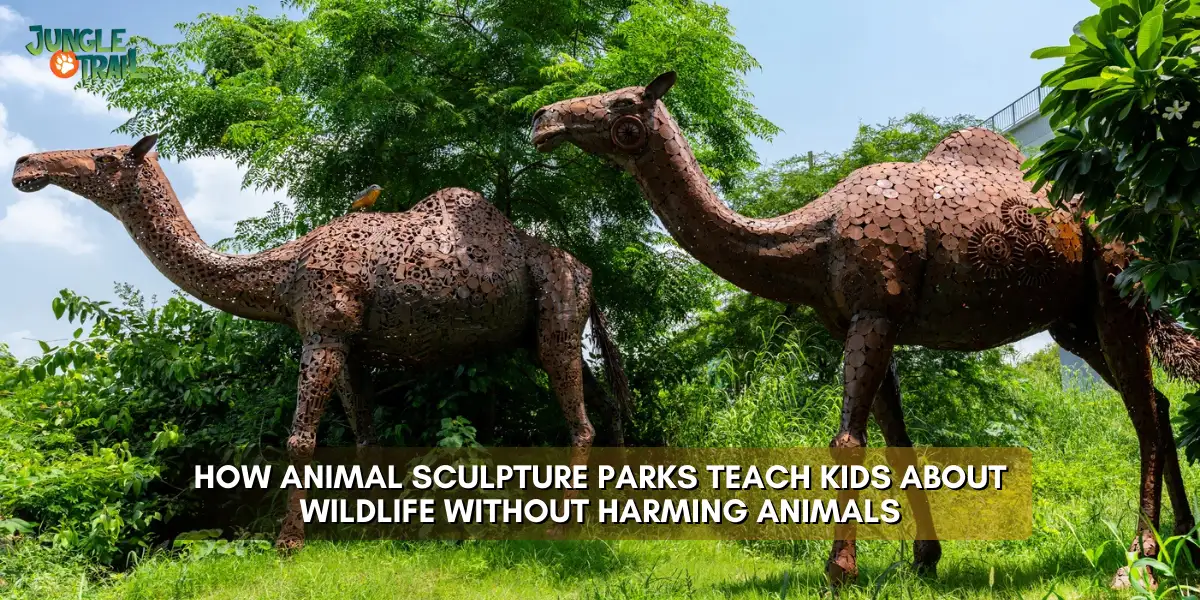
    • Lifelike Sculptures: Elephants, tigers, gorillas, and exotic birds are recreated in full scale, encouraging children to observe and compare.
    • Thematic Trails: Each zone represents a continent or ecosystem, from the African savannah to the Asian jungle to the forests of the Americas.
    • Sustainable Design: Sculptures are often made from recycled or upcycled materials, teaching children about environmental responsibility.

    These parks combine art, science, and play, allowing children to learn naturally and enjoyably, without harming animals.

    Walk, Explore, Wonder: Hands-On Wildlife Fun

    At Jungle Trail, children don’t just look—they interact. Walking along trails, touching sculptures, and observing details transforms simple sightseeing into active learning.

    • Children notice the stripes on a tiger, the tusks of an elephant, and the posture of a gorilla.
    • Safe climbing paths and observation decks allow kids to explore while staying physically engaged.
    • Parents can encourage observation, ask questions, and guide children to notice unique details in each sculpture.

    This hands-on approach ensures children retain information better than passive viewing and keeps them physically active while learning.

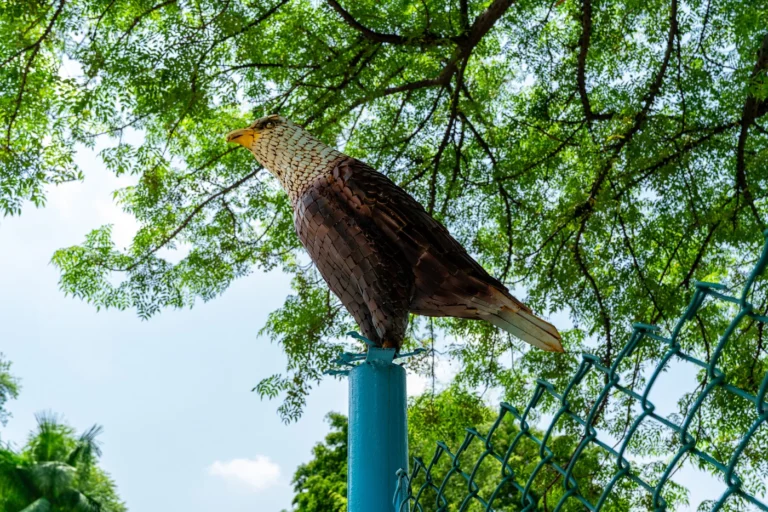
    Eagle in Jungle Park

    Learning About Animals Through Play

    Each zone in the park tells a story about animals and their habitats:

    • Africa: Explore the savannah and understand predator-prey relationships. Children learn how lions hunt, elephants migrate, and giraffes feed.
    • Asia: Discover endangered species like tigers, orangutans, and Asian elephants. Learn how forests support biodiversity.
    • Americas: Walk through tropical rainforests and North American forests, observing bears, jaguars, and parrots.
    • Australia: Explore marsupials, kangaroos, and unique reptiles in a safe, engaging environment.

    Children learn naturally by observing and asking questions, reinforcing understanding without feeling like a lesson.

    Activities That Spark Curiosity

    While the focus is on education and wildlife awareness, subtle activity elements enhance engagement:

    • Short climbing paths, rope trails, and observation decks encourage movement.
    • These are not thrill rides—they’re carefully integrated to support learning and exploration.
    • Kids discover habitats, compare species, and observe lifelike animal behaviors, all while being active.

    Even small activities like tracing an animal’s footprint or climbing to view a sculpture from above can reinforce curiosity and make learning memorable.

    Sustainability Lessons Through Art

    One of the most powerful lessons of animal sculpture parks is how humans can care for the planet while exploring wildlife.

    • Waste-to-Art Sculptures: At Jungle Trail, over 500 tonnes of scrap metal have been transformed into more than 800 wildlife-inspired sculptures.
    • Environmental Awareness: Children learn how discarded materials can be reused creatively, reducing waste and conserving resources.
    • Conservation Education: Sculptures and themed zones demonstrate the importance of protecting habitats and the broader ecosystem.

    By experiencing sustainability in action, children understand how everyday choices impact wildlife and the environment.

    Why Families Love Animal Sculpture Parks

    Animal sculpture parks provide multiple benefits for children and families:

    1. Safe and Ethical: No animals are kept in cages. Children enjoy wildlife responsibly.
    2. Educational: Children learn about species, habitats, and ecosystems through observation and interactive zones.
    3. Creative & Engaging: Sculptures, themed trails, and small activities encourage imagination and critical thinking.
    4. Family Bonding: Shared discovery strengthens parent-child relationships.
    5. Physical Activity: Walking trails and gentle adventure elements promote movement and wellness.

    These parks meet the modern family’s needs for fun, learning, and ethical recreation.

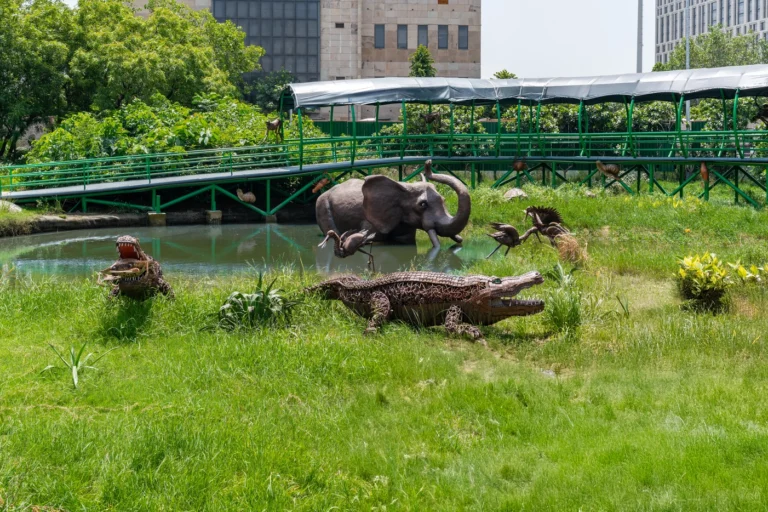
    Animals in Jungle Park

    A Day at Jungle Trail: Where Learning Meets Adventure

    Stepping into Jungle Trail Noida feels like leaving the city behind. Located in Sector 94, Noida, this 20-acre wonderland invites families to wander, discover, and imagine. Every corner tells a story, from the rustle of the leaves to the lifelike animals crafted entirely from recycled materials.

    Here, over 800 sculptures bring wildlife to life in a way that’s safe, ethical, and full of wonder. Children can lean in to inspect the stripes of a tiger, gaze up at a towering elephant, or spot a family of monkeys frozen mid-leap—all without any cages or barriers.

    The park isn’t just about looking—it’s about exploring and discovering at your own pace. Gentle trails, observation decks, and subtle activity areas let kids climb, peer, and investigate without fear or pressure. Every step sparks curiosity, conversation, and sometimes laughter.

    When it’s time to rest, families can relax in shaded picnic zones or enjoy a snack at the café, making it easy to spend an entire day immersed in creativity, nature, and learning.

    Whether you’re planning a school outing, a weekend family adventure, or a solo exploration with your little ones, Jungle Trail provides an experience that blends education, excitement, and environmental responsibility. Children leave not just entertained, but inspired—aware of the world’s wildlife and how we can protect it.

    Tips for Parents and Families

    • Best Visiting Times: Weekends or school holiday periods for maximum engagement
    • Planning School Trips: Combine educational workshops with exploration of each ecosystem zone
    • Encourage Questions: Parents can guide children to observe, compare, and learn about animal behaviors
    • Combine With Local Travel: Pair the park visit with other Delhi NCR attractions for a full day of family learning

    These tips make visits fun, stress-free, and educational.

    Frequently Asked Questions

    1. How are animal sculpture parks different from zoos?

    Sculpture parks teach children about animals and ecosystems without using live animals. Ethical education and hands-on learning are the main focus.

    2. Are these parks suitable for all ages?

    Yes! Trails, sculptures, and gentle activity zones engage toddlers, school-age children, and even adults

    3. How do children learn about conservation?

    Through observation, interactive zones, and sculptures made from recycled materials, children learn the importance of sustainability and protecting habitats

    4. Can families spend a full day there?

    Absolutely. Amenities like shaded picnic areas, cafés, and themed trails make Jungle Trail ideal for a day-long family outing.

    Conclusion: A New Way to Explore Wildlife

    What if your child could meet the wild—without cages, without fear, and without harm?
    That’s exactly what animal sculpture parks like Jungle Trail Noida make possible.

    Here, nature isn’t something you look at from a distance. It’s something your child walks through. Life-like animal sculptures spark instant curiosity. Little feet slow down. Big questions begin. Where do they live? What do they eat? Why do they matter? Learning happens naturally—through wonder, not worksheets.

    It’s adventurous, but safe. Exciting, yet calm. Every path invites exploration while quietly teaching respect for wildlife, habitats, and the planet we share. Sustainability isn’t a lesson here—it’s an experience your child feels and remembers.

    And the best part? You’re in it together. Laughing. Discovering. Talking. Creating memories that last far longer than a screen ever could.

    So ask yourself—when was the last time a weekend truly inspired your child?

    Take them to Jungle Trail, Noida.
    Let them explore. Let them ask. Let them grow.
    Plan your visit and turn a simple day out into a meaningful adventure

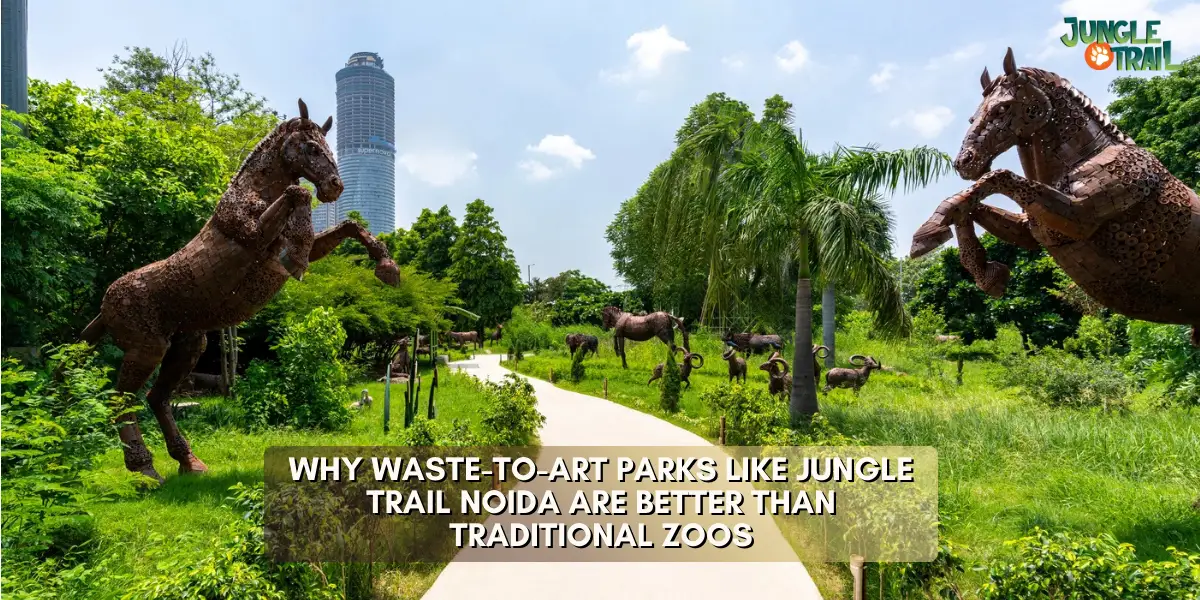
  • Why Waste-to-Art Parks Like Jungle Trail Noida Are Better Than Traditional Zoos

    Why Waste-to-Art Parks Like Jungle Trail Noida Are Better Than Traditional Zoos

    Urban recreation and wildlife education are evolving rapidly. Traditional zoos, once the standard for family outings and school trips, are increasingly questioned for animal welfare, ethical concerns, and limited educational impact.

    Waste-to-art parks, such as Jungle Trail Noida, offer an innovative alternative. By transforming industrial scrap into life-sized wildlife sculptures, these parks provide immersive learning experiences, promote sustainability, and deliver safe, engaging, and memorable recreation for children, students, and families.

    This blog explores why waste-to-art parks are superior to traditional zoos, highlighting ethical considerations, environmental benefits, educational value, and the unique experiences offered by Jungle Trail Noida.

    Why Traditional Zoos Are Facing Criticism

    While zoos have historical significance, their limitations are becoming increasingly clear:

    A. Ethical Concerns

    • Animals often live in confined, unnatural habitats, which can cause stress and behavioral issues.
    • Captivity for entertainment raises moral and ethical questions, particularly for young visitors.
    • Families and educators are seeking alternatives that teach empathy and wildlife respect without exploitation.

    B. Limited Educational Value

    • Observing animals passively rarely leaves a lasting impression.
    • Traditional zoos offer minimal hands-on learning or interaction, making environmental lessons abstract.

    C. High Environmental Impact

    • Maintaining enclosures, feeding, and veterinary care consumes significant energy and resources.
    • Transportation of animals and visitors further contributes to the carbon footprint.

    D. Low Creativity and Engagement

    • Children are primarily spectators, not participants.
    • Few opportunities exist for problem-solving, innovation, or interactive learning.
    Eco-friendly waste-to-art parks promoting sustainability over traditional zoos

    The Emergence of Waste-to-Art Parks

    Waste-to-art parks are a modern, ethical solution for wildlife education and urban recreation.

    • Global Trend: Countries like Singapore, Germany, and Indonesia have embraced eco-friendly, educational parks.
    • Indian Pioneer: Jungle Trail Noida transforms over 500 tonnes of industrial scrap into 800+ wildlife sculptures across 20 acres.
    • Core Concept: Visitors experience wildlife through art, creativity, and sustainable installations, learning about ecosystems and recycling without harming animals.

    These parks act as living classrooms, offering hands-on, multi-sensory learning experiences that traditional zoos cannot provide.

    Why Waste-to-Art Parks Are Better Than Zoos

    A. Ethical Engagement

    • No animals in captivity; children learn wildlife empathy ethically.
    • Promotes modern ethical values aligned with environmental and animal welfare education.

    B. Eco-Friendly & Sustainable

    • Sculptures use recycled scrap metal, machinery, and automotive parts.
    • Demonstrates upcycling and resource conservation in a tangible way.
    • Lower environmental impact compared to traditional zoos.

    C. Engaging Multi-Sensory Learning

    • Children learn by seeing, touching, observing, and creating.
    • Connects classroom lessons on biodiversity, ecosystems, and recycling to real-life applications.

    D. Creativity & Problem-Solving

    • Sculptures spark imagination and curiosity.
    • Students understand how waste can be transformed into art, fostering innovation and critical thinking.

    E. Safe, Family-Friendly Environment

    • Open spaces, monitored adventure zones, and picnic areas.
    • Children explore actively and safely, unlike stressful animal enclosures.

    F. Lower Environmental Impact

    • Avoids energy-intensive animal care.
    • Supports sustainable urban recreation practices.

    Jungle Trail Noida: India’s Flagship Waste-to-Art Eco Park

    Jungle Trail Noida exemplifies a world-class waste-to-art park.

    Key Features

    Scrap-Art Wildlife Sculptures

    • Life-sized lions, tigers, elephants, giraffes, penguins, and dinosaurs.
    • Made entirely from recycled metal and industrial scrap.

    Educational Signage & Eco-Trails

    • Explains species, ecosystems, conservation, and recycling.
    • Guides students through biodiversity and sustainability lessons.
    Man practicing archery and woman boating at an outdoor adventure park

    Adventure & Activity Zones

    • Rocket Ejector (₹250, 1-time)
    • Archery (₹100)
    • Long Boating (₹500, 30 min)
    • Pressure Rocket (₹200)
    • Melt Down (₹100)
    • Sport Climbing (₹100, per climb)
    • Bull Ride (₹100)
    • Water Roller (₹200, 15 min)
    • Boating (₹200, 10 min)

    Workshops & Interactive Learning

    • DIY recycled crafts
    • Composting demonstrations
    • Eco-games
    • Guided biodiversity walks

    Picnic & Reflection Areas

    • Journaling and sketching spaces
    • Family discussions for practical learning reinforcement

    This combination of art, adventure, and education sets Jungle Trail apart from any traditional zoo.

    Benefits for Students and Families

    Hands-On Learning Opportunities

    1. Scrap-Art Exploration

    • Children observe how waste transforms into art.
    • Encourages critical thinking and environmental awareness.

    2. Nature Trails & Biodiversity Education

    • Connects classroom ecology lessons to real ecosystems.
    • Highlights local flora, insects, and wildlife.

    3. Eco-Workshops

    • DIY crafts, eco-games, and composting.
    • Develops creativity, problem-solving, and innovation.

    4. Adventure & Physical Learning

    • Climbing, boating, rope challenges, and walking trails.
    • Supports physical health, teamwork, and resilience.

    5. Reflection & Observation Zones

    • Journaling, sketching, and discussion spaces.
    • Improves critical thinking and memory retention.

    Why Jungle Trail is Great for Kids’ Development

    Better Thinking Skills: Hands-on activities help kids remember things and focus better.

    Love for the Environment: Early experiences with nature and recycling teach kids to care for the planet.

    • Boost Creativity: Turning scrap into art encourages imagination and new ideas.
    • Teamwork and Social Skills: Group activities help children communicate, work together, and understand others.
    • Stay Active: Walking, climbing, and playing outdoors keep kids healthy and energetic.
    • Screen-Free Fun: Kids learn and play without relying on phones or tablets.
    • Cognitive Development: Multi-sensory learning enhances memory and attention.
    • Environmental Awareness: Early exposure fosters lifelong sustainability habits.
    • Physical Health: Active engagement in trails and adventure zones.
    • Screen-Free Engagement: Reduces reliance on digital media for learning.

    Comparison: Traditional Zoos vs Waste-to-Art Parks

    FeatureTraditional ZooWaste-to-Art Park (Jungle Trail Noida)
    Animal WelfareCaptive animalsEthical, no animals used
    LearningPassive observationInteractive, multi-sensory
    EngagementLowHigh, full-day experience
    CreativityMinimalEncouraged through art & workshops
    Environmental ImpactHighLow, sustainable practices
    SafetyModerateHigh
    ActivitiesLimitedAdventure + eco workshops + creative zones

    Why Waste-to-Art Parks Outperform Zoos in Education

    • Visual Learning: Sculptures demonstrate recycling and wildlife conservation.
    • Hands-On Understanding: Children participate in eco-art, composting, and interactive trails.
    • Emotional Impact: Positive inspiration replaces sadness or ethical concerns.
    • Social Skills: Collaboration through workshops and adventure activities.
    • Holistic Development: Cognitive, creative, physical, and emotional growth combined.

    Ideal for School Trips & Educational Outings

    Waste-to-art parks offer curriculum-aligned learning opportunities:

    • Waste management & recycling
    • Art & design thinking
    • Environmental science & conservation
    • Biodiversity & ecology lessons
    • Holistic student development

    Jungle Trail Noida is a popular destination for CBSE, ICSE, IB, and Montessori schools, combining education, adventure, and safety.

    FAQs: Understanding Waste-to-Art Parks

    Q: Why are waste-to-art parks better than traditional zoos?

    A: They provide ethical, sustainable, and interactive learning experiences without harming animals.

    Q: How do children learn about recycling?

    A: Through scrap-art sculptures, workshops, composting, and guided eco-trails.

    Q: Are activities safe for children?

    A: Yes, Jungle Trail ensures monitored adventure zones and secure play areas.

    Q: Which age group benefits most?

    A: Children aged 5–15, with younger children supervised during guided activities.

    Q: Can schools organize trips to Jungle Trail?

    A: Yes, the park offers structured programs for school visits aligned with sustainability education.

    Practical Tips for Parents & Teachers

    • Schedule visits during cooler times of the day.
    • Introduce children to recycling, sustainability, and biodiversity concepts beforehand.
    • Pack water, hats, snacks, and notebooks for observation.
    • Encourage hands-on participation in workshops and activities.
    • Supervise adventure activities and follow park safety guidelines.

    Conclusion: The Future of Ethical Urban Recreation

    Waste-to-art parks represent the future of urban recreation, combining creativity, ethics, sustainability, and education.

    Jungle Trail Noida exemplifies this approach with:

    • 800+ life-sized recycled animal sculptures
    • Educational eco-trails and workshops
    • Adventure and outdoor learning activities
    • Safe, family-friendly reflection and picnic areas

    By choosing waste-to-art parks, children gain practical knowledge, holistic growth, and a lifelong appreciation for wildlife and the environment.

    Plan your visit to Jungle Trail Noida today and experience wildlife, creativity, and sustainability all in one unforgettable, eco-friendly destination.

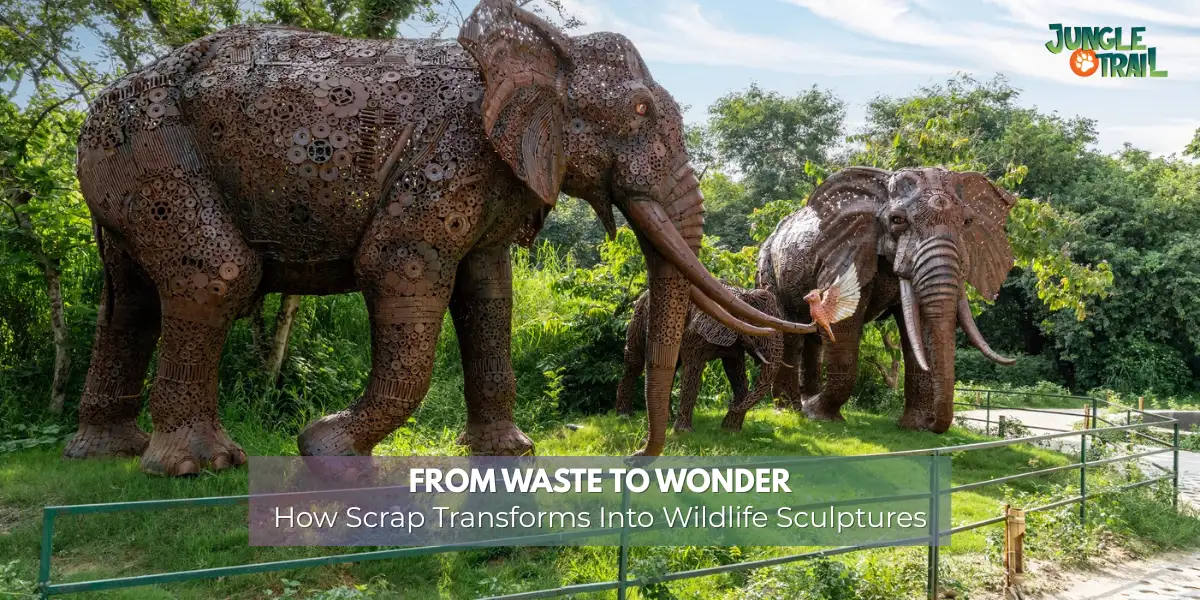
  • From Waste to Wonder: How Scrap Transforms Into Wildlife Sculptures at Jungle Trail Noida

    From Waste to Wonder: How Scrap Transforms Into Wildlife Sculptures at Jungle Trail Noida

    When imagination meets sustainability, something extraordinary happens. Across India, a growing movement is redefining how we view waste, nature, and creativity. At the heart of this movement is the waste to Wonder Park, a unique concept where discarded materials are transformed into lifelike wildlife sculptures.

    Jungle Trail Noida stands out as a premier destination showcasing this idea. By blending eco-friendly art with outdoor adventure, it offers families, students, and nature lovers an immersive experience where learning, recreation, and creativity meet. Each sculpture, pathway, and installation demonstrates that waste can become meaningful when shaped with purpose.

    In this blog, we explore how scrap becomes wildlife art, why waste-to-art parks are gaining popularity across India, and what makes Jungle Trail Noida a must-visit waste-to-wonder park experience.

    The Rise of Waste-to-Art Parks: Where Sustainability Meets Creativity

    The idea of turning industrial scrap into public art and attractions has grown immensely over the last decade. Initially popular in cities like Delhi with global monuments made from scrap, the concept now includes wildlife sculptures, educational installations, and family-friendly parks.

    Why These Parks Are Gaining Popularity

    1. Growing Environmental Awareness
      People want destinations that combine fun with learning. A waste-to-wonder park provides a hands-on way to understand recycling, sustainability, and conservation.
    2. Educational Value for Children
      Schools are now taking students to parks where lifelike wildlife sculptures bring concepts like upcycling and waste management to life, making environmental education exciting, memorable, and truly impactful.
    3. Preference for Nature-Based Outings
      Families and groups seek open-air, eco-friendly alternatives to conventional indoor venues. The natural environment of these parks provides a refreshing experience.
    4. Artistic and Engineering Appeal
      These larger-than-real wildlife sculptures offer a unique experience, blending the beauty of nature with artistic creativity and technical mastery.
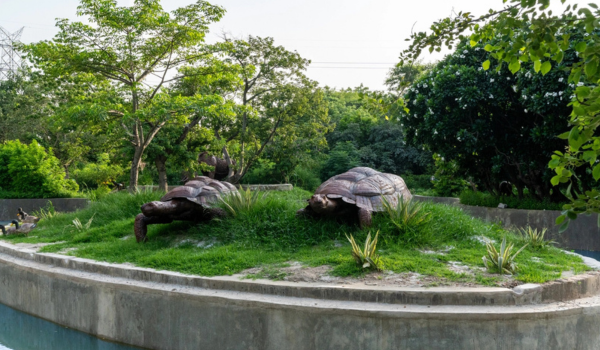
    Turtle sculpture made from recycled scrap materials at Jungle Trail Noida

    How Scrap Transforms Into Wildlife Sculptures

    Every wildlife sculpture at a waste-to-wonder park starts with imagination, creativity, and precise engineering. From discarded scrap to lifelike wildlife sculptures, each piece tells a story of sustainability, art, and innovation—capturing both hearts and minds. Here’s how scrap becomes lifelike wildlife art:

    1. Sourcing Scrap Materials

    Commonly used materials include:

    • Bicycle chains
    • Car parts
    • Nuts, bolts, and gears
    • Abandoned industrial scrap
    • Mild steel rods
    • Metal sheets

    These items would otherwise end up in landfills, but when repurposed, they contribute to sustainability while creating visual impact.

    2. Concept Designing and Blueprint Creation

    Artists begin by:

    • Studying animal anatomy
    • Selecting realistic poses
    • Planning life-size proportions
    • Determining weight distribution

    A precise blueprint ensures the sculpture is stable, accurate, and visually striking, making the park’s displays exceptional.

    3. Structural Building: Welding and Shaping Scrap

    The construction stage involves:

    • Cutting and shaping scrap
    • Welding parts together
    • Forming contours and muscle structures
    • Adding layers for depth and detail

    Chains, gears, and rods are cleverly used for texture, joints, and support, with some sculptures taking weeks to complete.

    4. Finishing, Polishing, and Coloring

    To ensure durability and aesthetic appeal:

    • Sharp edges are polished
    • Weather-resistant paints are applied
    • Textures are refined
    • Protective coatings are added

    This makes the wildlife sculptures long-lasting outdoor installations that impress visitors year-round.

    Exploring Jungle Trail Noida: Wildlife Reimagined Through Scrap

    Jungle Trail Noida combines eco-art with outdoor adventure, making it a complete eco-adventure destination. Visitors can enjoy:

    • Life-Size Wild Animals: Lions, tigers, deer, and more sculpted from scrap metal.
    • Bird Sculptures: Flying or perched birds crafted in intricate detail.
    • Reptiles and Forest Creatures: Small and large animals shaped with precision.

    Each installation educates visitors about wildlife, conservation, and sustainable creativity.

    Peacock and peahen sculptures made from recycled scrap at Jungle Trail Noida

    Why Waste-to-Art Parks Matter: Impact Beyond Aesthetics

    Waste to wonder parks serve a purpose beyond beauty:

    1. Promoting Sustainability – Demonstrates how discarded materials can be reused meaningfully.
    2. Inspiring Creativity – Encourages children and adults to see waste as a resource.
    3. Supporting Local Artists – Provides a platform for artisans and fabricators to showcase skills.
    4. Changing Perceptions About Waste – Shifts how
      people view junk, fostering innovation and responsibility.

    Jungle Trail Noida: More Than Just a Waste-to-Wonder Park

    Jungle Trail Noida is not just about wildlife sculptures—it combines eco-art with adventure, making it ideal for recreation, learning, and family outings.

    • Nature Trails and Learning Paths: Explore scenic walkways with environmental education.
    • Boating Experiences: Fun for families and couples alike.
    • Rope Adventure Activities: Challenge yourself with courses suited for all ages.
    • Archery Zones: Skill-based fun for kids and adults.
    • Picnic and Family Areas: Relax and enjoy green open spaces.

    This combination makes Jungle Trail Noida a truly unique eco-adventure destination.

    Visitor Guide: Tips for a Memorable Trip

    Best Time to Visit:

    • Winter season
    • Early mornings or late afternoons
    • Weekdays for quieter visits

    What to Carry:

    • Comfortable footwear
    • Water bottles
    • Sun protection
    • Camera for photography

    Ideal For:

    • Families and tourists
    • Educational trips
    • Nature lovers and adventure seekers

    FAQs: Everything You Need to Know

    1. How are wildlife sculptures created?

    By collecting scrap, designing blueprints, welding metal parts, and applying finishing layers.

    2. Is Jungle Trail Noida more than a Wildlife sculpture park?

    Yes. It is an eco-adventure destination with boating, archery, nature trails, and rope courses.

    3. Is it suitable for children?

    Absolutely. Educational and fun outdoor activities make it perfect for kids.

    4. How is it different from a regular amusement park?

    It blends eco-art, nature, sustainability, and adventure in one space.

    Conclusion: Where Waste Truly Becomes Wonder

    Waste-to-wonder parks represent the future of eco-friendly recreation. They show that discarded materials can be transformed into meaningful art that educates, inspires, and entertains.

    Jungle Trail Noida exemplifies this movement, combining wildlife sculptures, adventure activities, nature trails, and picnic zones. Whether it’s a family outing, a school trip, or a leisure day, this park offers an engaging and impactful experience where sustainability meets creativity—and where waste truly becomes wonder.

    Plan your visit to Jungle Trail Noida and experience how creativity, conservation, and adventure come together. Discover a destination where waste transforms into wonder and every visit inspires sustainable thinking.